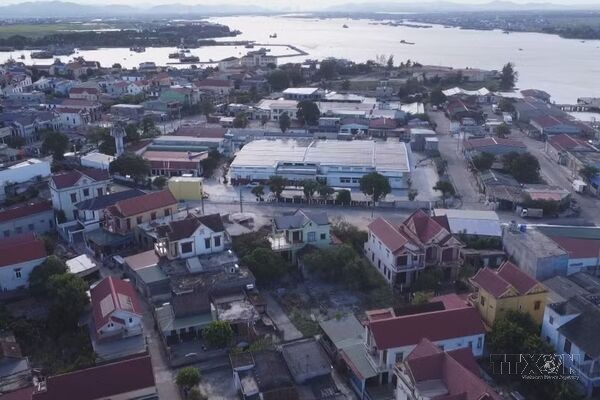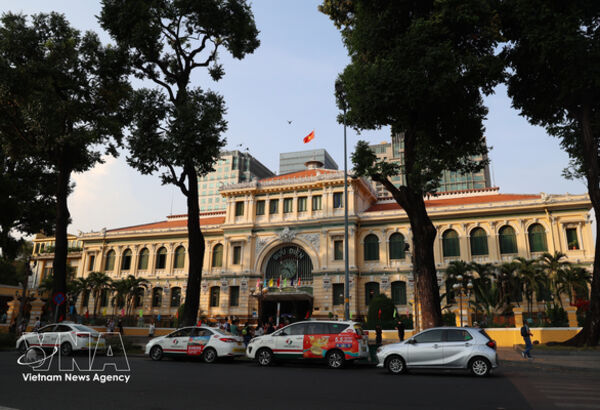
If approved, Dong Nai will become Vietnam’s seventh centrally-run city, opening up a new development space for the Southeastern region and the country as a whole. The six existing centrally-run ciites are Hanoi, Hai Phong, Hue, Da Nang, Ho Chi Minh City and Can Tho.
Beyond convenience, stable fares and the elimination of fuel, parking and maintenance costs have made urban rail increasingly attractive. The growing preference for metro travel is also contributing to a greener, more modern urban lifestyle.
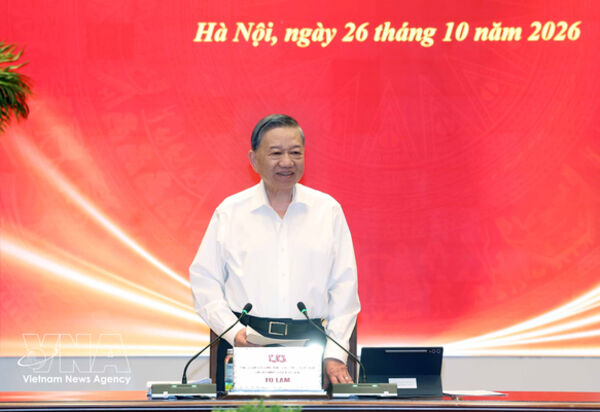
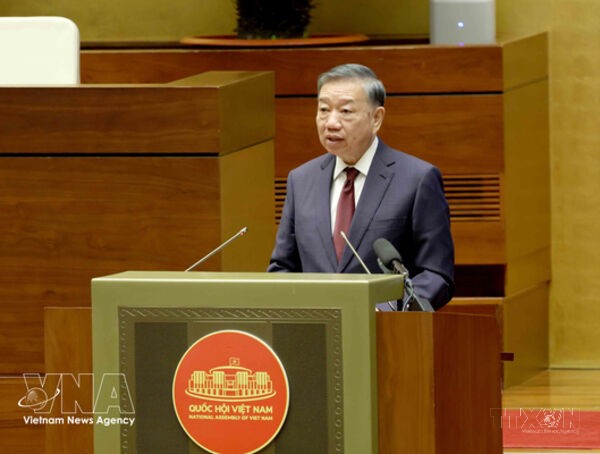
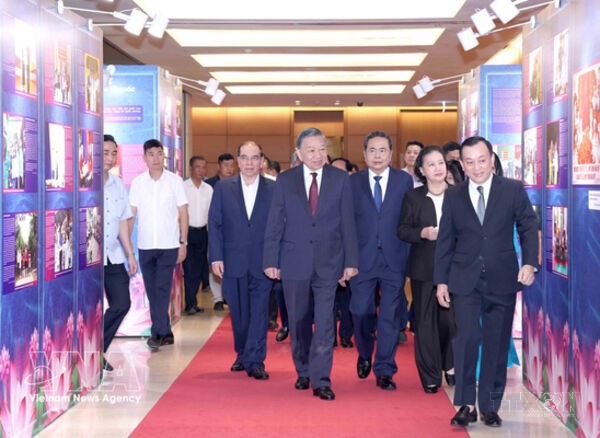
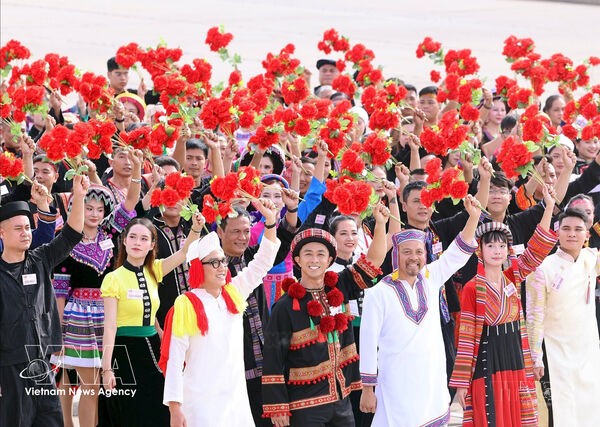
Party General Secretary and State President To Lam said that over 15 NA terms spanning more than 80 years, ethnic minority deputies have grown steadily in both capacity and contribution, participating more actively in legislative work, oversight and decisions on major national issues.
The Vietnamese Government plans to pilot exchanges for crypto and digital assets starting from the second quarter of 2026, as part of efforts to bring the emerging market into operation.
In the morning sitting on April 20, deputies are expected to hear proposals and verification reports on a range of draft resolutions. The documents cover breakthrough mechanisms and policies for the development of Vietnamese culture; the establishment of Dong Nai as a centrally run city; a pilot framework for public lawyer institution; and special mechanisms to address land law violations committed prior to the 2024 Land Law taking effect, alongside measures to resolve long-delayed and stalled projects.
Ho Chi Minh City, Vietnam’s largest economic hub, reported its fastest first-quarter growth in a decade and called for faster reforms and more decisive action to achieve double-digit expansion this year.
As the dry season peaks in the Mekong Delta province of Dong Thap, prolonged heat and falling water levels in forest canals have heightened the risk of wildfires. In response, forest managers are stepping up prevention measures, with Tram Chim National Park leading the way by applying modern technology for early and remote fire detection.
The State visit to China by Party General Secretary and State President To Lam was a great success, positively contributing to strengthening the traditional friendship and accelerating the building of the Vietnam–China community with a shared future that carries strategic significance, thus promoting peace, stability, development, and prosperity in the region and the world.
Despite volatility in aviation fuel prices triggered by tensions in the Middle East, flexible Government policies, particularly measures by the Ministry of Construction to cut fuel-related taxes, fees and infrastructure costs, helped maintain stable operations across the sector. As a result, no broad ticket shortages emerged.
According to Yang Feng, Secretary of the Party Committee of the School of International Education at Guangxi Normal University, the university has trained more than 5,000 Vietnamese students from the 1990s to the end of 2025.
Vietnam is a close neighbour, trusted friend and one of Guangxi’s most important partners. The Party organisation and authorities of China's autonomous region attach great importance to friendship and cooperation with Vietnamese localities; and will continue to take the lead in thoroughly implementing the important common perceptions reached by the two top leaders, thereby deepening cooperation and friendship between China and Vietnam.
The Hanoi–Quang Ninh high-speed railway is slated for completion by the end of 2028, with trains running at speeds that will cut travel time between the two localities by five to seven times, to just around 23 minutes.
They underscored that Party-to-Party exchanges have continued to play a pioneering role in guiding strategic orientation and effectively implementing high-level common perceptions.
Speaker of the Grand National Assembly of Türkiye Numan Kurtulmus described the IPU-152 as an event of historical importance with a highly relevant theme, not only globally but also directly related to important developments in regions.