 |
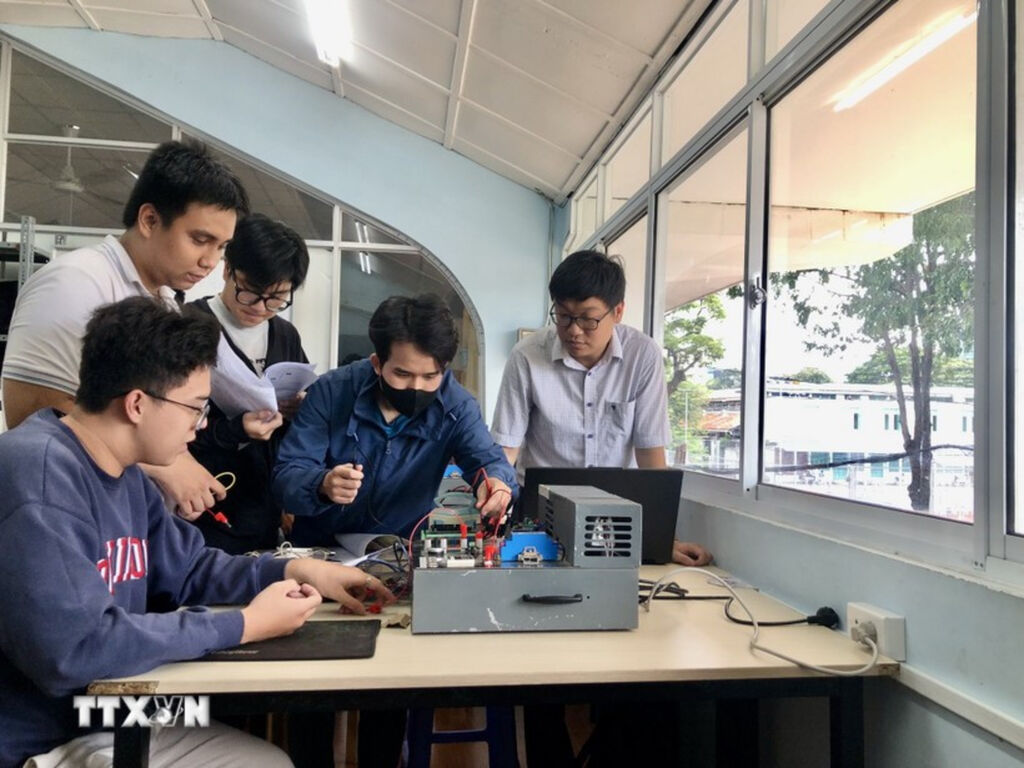
| Students of the University of Technology – Vietnam National University, Ho Chi Minh City practice applying high technology (Photo: VNA) |
Hanoi (VNA) - The Prime Minister on December 10 issued a decision approving a scheme to send Vietnamese citizens to study in Russia, China, Eastern European countries, and former Soviet Union countries during 2026–2035.
The programme aims to develop high-quality human resources through undergraduate, master’s, doctoral and short-term training courses in these countries, with priority given to disciplines in which these countries have strong expertise.
During the next ten years, Vietnam plans to send around 1,500 candidates abroad each year under both agreement-based and non-agreement scholarship programmes. About 1,000 will study in Russia annually, while the remaining 500 will go to China, Eastern European countries and former Soviet Union nations. The final numbers may vary depending on foreign scholarship quotas, actual training demand, and the state budget’s capacity.
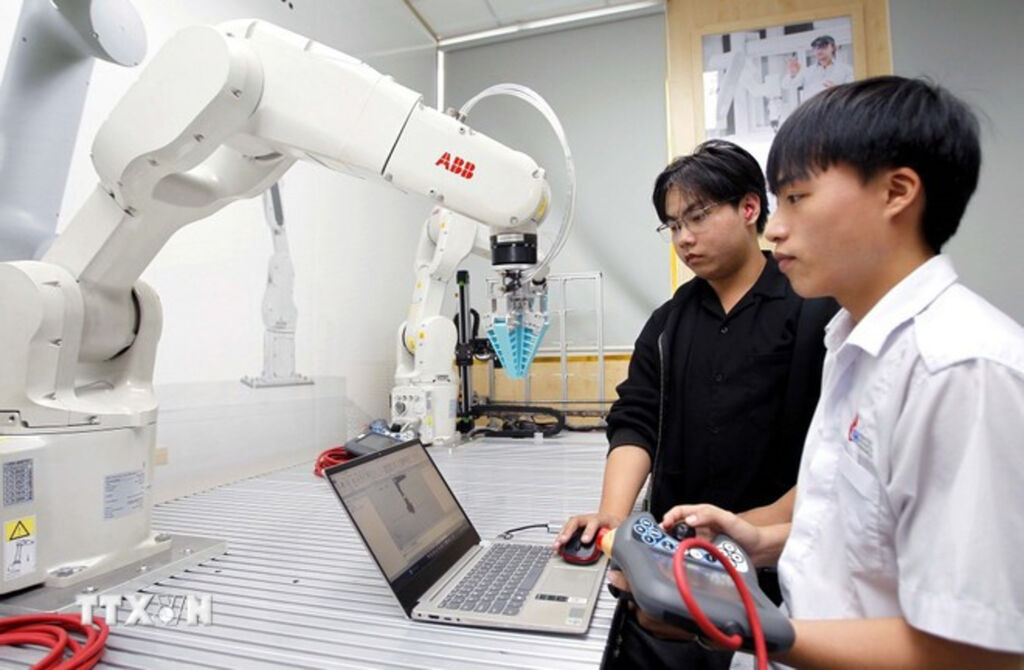 |
| The programme aims to develop high-quality human resources through undergraduate, master’s, doctoral and short-term training courses. (Photo: VNA) |
The scheme covers all fields in which Vietnam has training demands, with priority given to defence and security, high technology, artificial intelligence, cloud computing, quantum technology, blockchain, energy technologies, advanced materials, rare-earth technologies, ocean and geoscience studies, aviation and space, semiconductors, nuclear and energy, railways, biotechnology, medicine and pharmacy, law, and other priority areas defined in approved national programmes and projects.
The overseas admission and selection under this scheme will be implemented from 2026 to 2035. The training will be conducted full-time at reputable institutions in these countries.
The decision specifies that funding for the scheme will come from support from partner countries for Vietnamese citizens under both agreement-based and non-agreement scholarships; the Vietnamese state budget, covering training and project management costs in line with the law; and socialised funding, including contributions from universities, sponsorship from domestic and international enterprises, organisations, and individuals, as well as other legally mobilised resources.
The management and use of funds for the scheme will comply with state budget regulations and other relevant legal provisions.
This decision takes effect from the signing date./.