 |
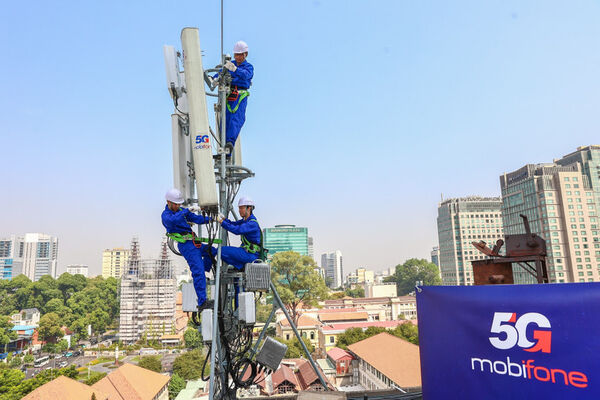
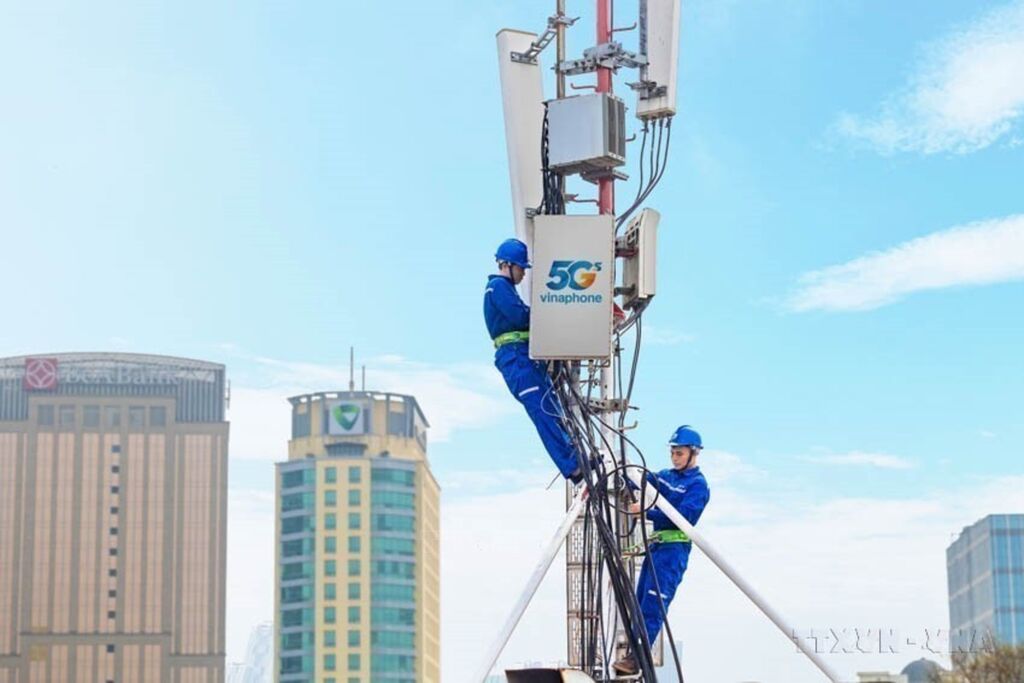
| In Vietnam, 5G technology infrastructure has begun to be widely deployed by domestic network operators (Photo: VNA) |
Hanoi (VNA) – With domestic telecom operators’ strong efforts to deploy 5G infrastructure on a wide scale, Vietnam expects a surge in new applications in the coming period, delivering significant benefits for the State, businesses and the public.
Laying infrastructure groundwork
Since August 2025, Viettel Post has organised dozens of livestream sales sessions in Thai Nguyen, Vinh Long, Bac Ninh and Lai Chau provinces to support the sale of agricultural products in mountainous areas. After just three livestreams in Sin Ho commune of the northern province of Lai Chau, more than 300 tonnes of yacon root were sold by local Mong farmers.
According to Viettel Post Deputy General Director Dinh Thanh Son, 5G connectivity and integrated logistics systems are helping farmers overcome the long-standing challenge of price volatility. With 5G, farmers can livestream directly from fields, tea hills or home gardens, introducing their produce to consumers nationwide - effectively “bringing the marketplace to their fingertips”.
Beyond trade, 5G is also reshaping agricultural production, as 5G-enabled Internet of Things (IoT) devices for monitoring temperature, humidity and weather conditions are being piloted on a growing scale.
The Ministry of Science and Technology reported that by 2025, 5G had been commercialised nationwide, covering more than 90% of the population. Viettel alone has deployed 30,000 5G base stations, achieving 90% outdoor coverage and 70% indoor coverage, exceeding its commitments to the Government.
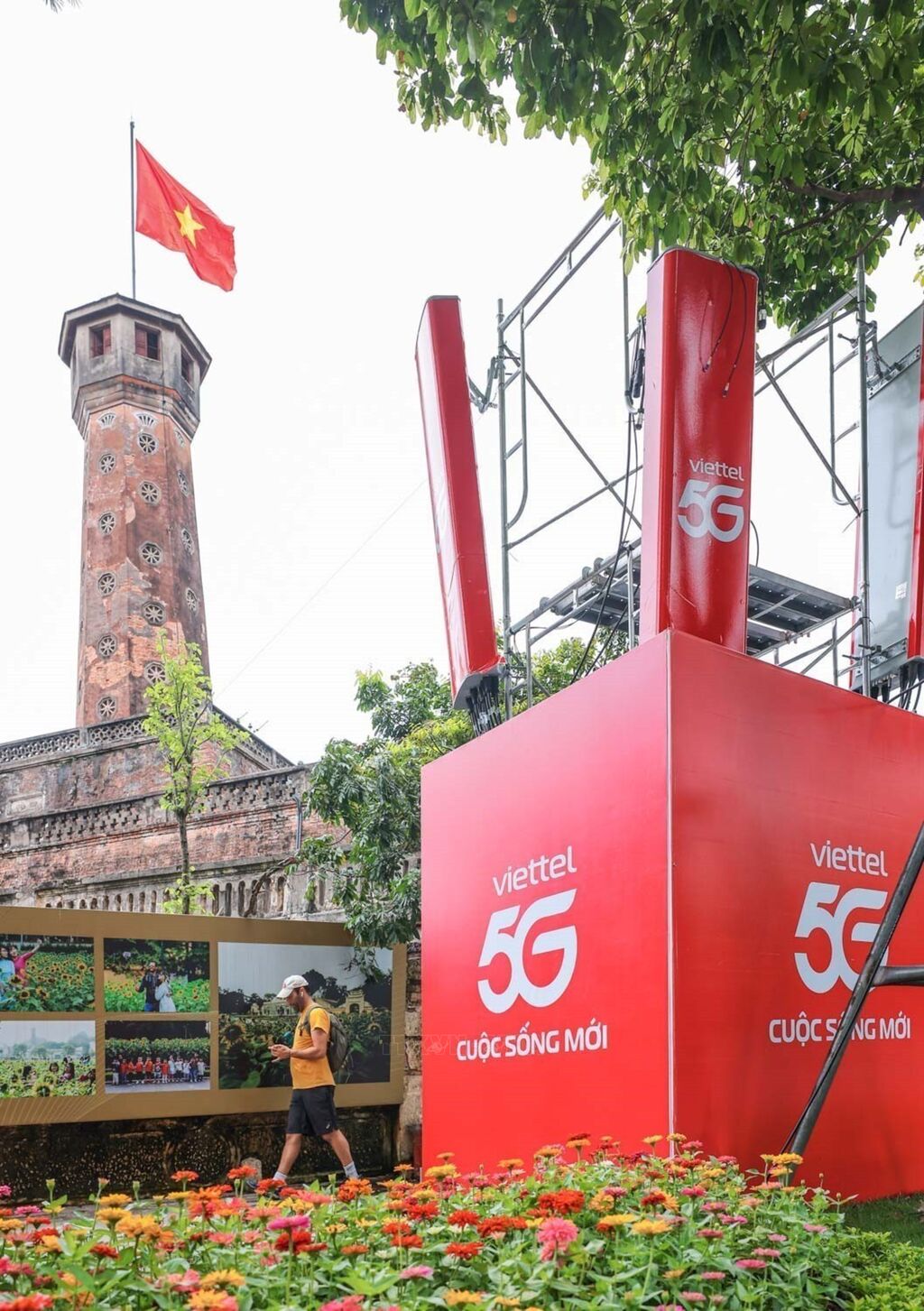 |
| A 5G base station of Viettel on Dien Bien Phu street, Hanoi (Photo: VNA) |
Nguyen Duy Lam, a senior telecommunications solutions expert at Huawei Vietnam, observed that while 5G deployment in Vietnam is progressing rapidly, particularly in e-commerce, more advanced applications such as smart cities and smart factories will require additional time, strong enterprise participation and supportive government policies.
Enabling application development
Explaining Viettel’s large-scale 5G investment, Viettel Telecom Deputy General Director Nguyen Ha Thanh said the group views 5G as strategic national digital infrastructure, in line with Resolution No. 57-NQ/TW. The effectiveness of 5G investment, she noted, should be assessed from a national perspective, including improvements in governance efficiency, living standards and the emergence of new business models.
Initial business results are already evident, with 5G subscribers accounting for 50% of Viettel’s new subscriptions, data usage rising by 15-20%, and customer satisfaction increasing by 20%, said Thanh.
With infrastructure in place, application deployment is expected to accelerate. Thanh said that Viettel Telecom is set to roll out three virtual assistant platforms serving individuals, households and enterprises, operating on its 5G network.
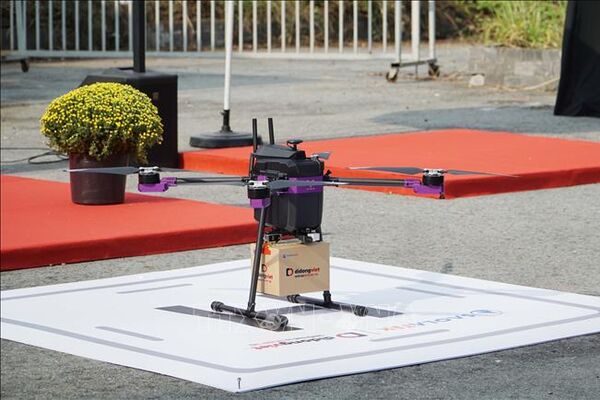
Meanwhile, MobiFone is advancing 5G-based smart city applications in Hanoi, including AI-powered camera systems, emergency response drones and multi-purpose urban monitoring platforms addressing traffic congestion, flooding, environmental pollution and food safety. Hanoi is also planning to develop large-scale smart urban areas under the Smart City 3.0 model, based on real-time data and automation.
According to Nguyen Anh Cuong, Deputy Director of the Authority of Telecommunications under the Ministry of Science and Technology, infrastructure sharing policies will be applied flexibly, particularly in remote areas, to optimise investment efficiency while ensuring fair competition and sustainable network development./.