 |
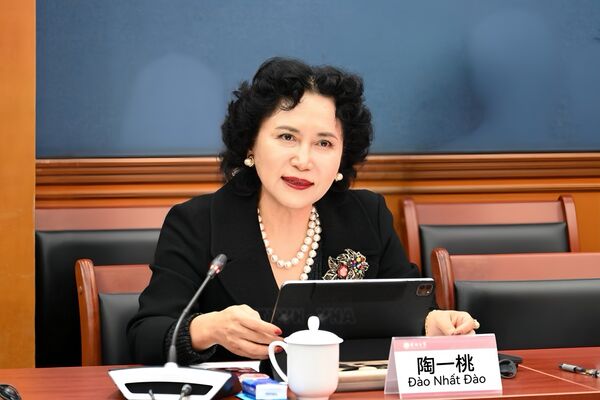
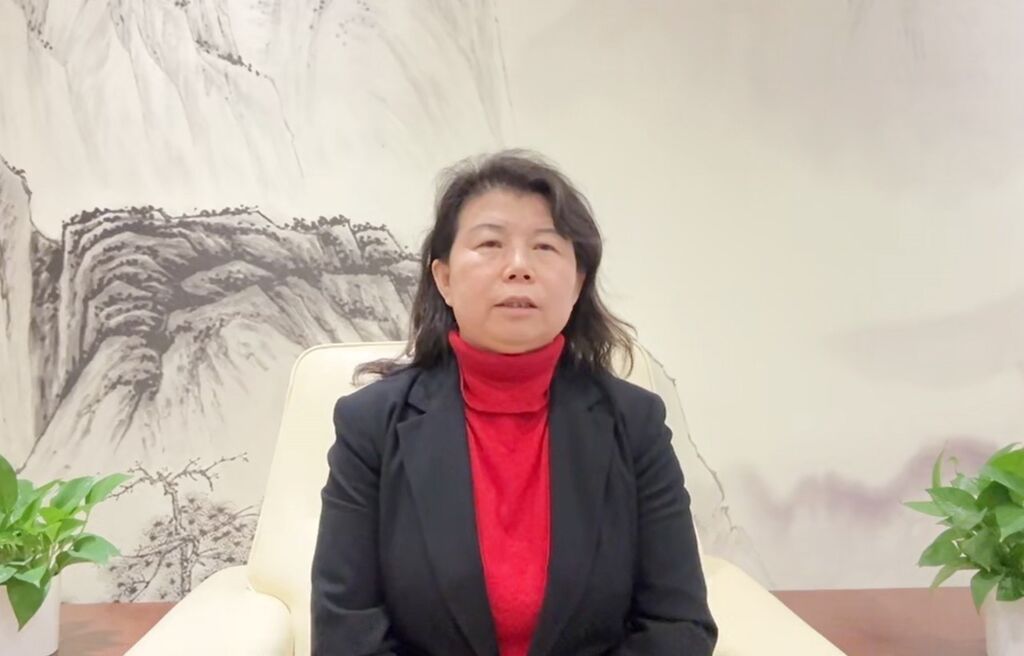
| Liu Ying, a research fellow at the Chongyang Institute for Financial Studies at Renmin University of China (Photo published by VNA) |
Beijing (VNA) – General Secretary of the Communist Party of Vietnam Central Committee and President To Lam’s speeches at the 33rd APEC Economic Leaders’ Meeting and the APEC 2027 host handover are far-sighted and place Vietnam’s development within Asia-Pacific’s broader trajectory, said a Chinese scholar.
Liu Ying, a research fellow at the Chongyang Institute for Financial Studies at Renmin University of China, told Vietnam News Agency reporters in China that the speeches show emerging economies, especially socialist-oriented countries, are gaining international clout and agenda-setting power.
The top Vietnamese leader’s APEC Leaders’ Week attendance and bilateral engagements in China signal both Vietnam’s confidence in its own development path and its sense of responsibility for regional governance and shared prosperity, she said.
First, his speeches fit China’s APEC theme this year “Building an Asia-Pacific Community to Prosper Together”. His three priority areas, including an open trade and investment environment, new growth momentum, and dialogue and cooperation to build trust, address the core question of how the Asia-Pacific stays open, grows and remains stable. His praise for China’s push on the Free Trade Area of the Asia-Pacific (FTAAP) and the new-phase connectivity agenda also reflects important China-Vietnam consensus on regional cooperation.
Second, they highlight a new room for China-Vietnam cooperation. General Secretary and President Lam underscored smooth flows of knowledge, talent and capital, plus effective supply chain and infrastructure connectivity. The two sides now need to convert complementary industrial strengths into concrete results in connectivity, digital economy and innovation so bilateral cooperation does more to stabilise and upgrade Asia-Pacific industrial chains.
Third, the speeches are forward-looking and people-focused. He made productivity the key growth driver through proposals on the digital economy, silver economy and care economy, while backing the settlement of differences via fair and equal dialogue for the common interest of citizens and future generations.
Fourth, they reflect a responsibility to inherit the past and open the future. Vietnam’s APEC 2027 host role is a chance to sustain the gains from China’s host year. From Shenzhen to Phu Quoc, China and Vietnam can align agendas, turn shared prosperity vision into action for the benefit of business community and citizens. That is a key long-term value of the Vietnamese leader's attendance at this year’s meetings.
Liu stressed that the visit’s long-term value lies in further aligning China and Vietnam’s development philosophies and pushing both sides to deepen cooperation in connectivity, industry and innovation. It also marks Vietnam’s shift from an active regional player to a contributor to major regional initiatives.
On Vietnam’s official takeover of APEC 2027, Liu said as global supply and industrial chains are reshaped, both countries have real advantages and influence. Continuity in China's and Vietnam’s engagement with APEC is visible not just in shared agendas, views and actions but in practical steps to liberalise trade, facilitate investment and bolster connectivity.
Building on China’s APEC host year, Vietnam is now targeting deeper and substantive cooperation in trade and investment, connectivity, digital economy and artificial intelligence (AI). That includes expanding the APEC Business Travel Card (ABTC), following bilateral visa exemption agreements and contributing to FTAAP momentum through Vietnam’s role in expanding Comprehensive and Progressive Agreement for Trans-Pacific Partnership (CPTPP) membership.
According to the Chinese scholar, the first thread is continuity in concepts and agenda. China stresses openness, innovation and cooperation while Vietnam sets three core priorities: improving productivity and promoting regional trade and investment, strengthening economic resilience and bettering living standards. Both sides share a common vision: expanding opportunities through opening-up, driving development through innovation, and delivering benefits to the people through cooperation.
Next comes converting results into concrete projects. China and Vietnam can deepen collaboration on cross-border railways, smart border gates, customs facilitation and industrial chain links, then use that experience to build APEC capacity building initiatives. In the digital economy and AI, the focus should be on helping small and medium-sized enterprises (SMEs) cut costs and raise efficiency, and on digital workforce training so tech progress shows up in higher labour productivity.
According to her, China and Vietnam hosting APEC in succession is more than a handover. It is continuity in development philosophy, cooperation agenda and practical initiatives. The two countries can turn their bilateral relationship into a model for shared prosperity across the Asia-Pacific.
Finally, Vietnam can use its distinctive strengths to create highlights. It can leverage its role as a bridge between China and ASEAN, and its participation in many free trade agreements, to push regional regulatory harmonisation. It can advocate easier ABTC issuance for eligible businesspeople and study visa facilitation and mutual visa exemption arrangements with China. As a CPTPP member, Vietnam can also support admitting new members that meet set standards, thus advancing open cooperation by consensus and laying groundwork for FTAAP, she said.
In closing, Liu said Vietnam’s APEC Year should be judged by whether openness commitments become business opportunities, connectivity becomes tangible development results and innovation gains become better lives for people./.