 |
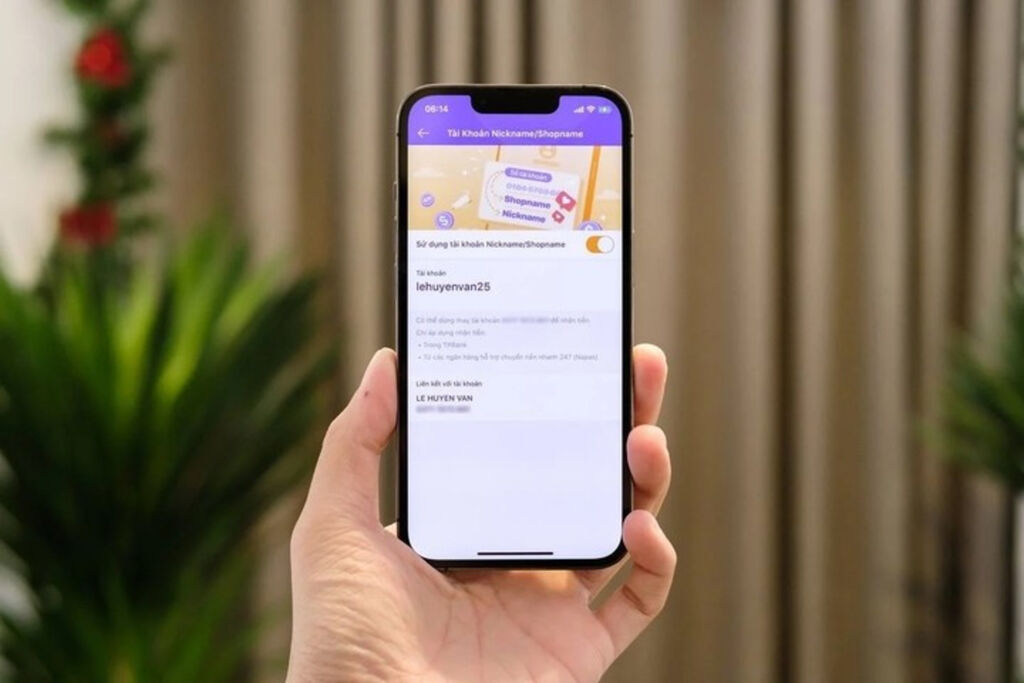
| Vietnam ends bank account nicknames to tighten payment security from April 1. (Illustrative photo: VNA) |
Hanoi (VNA) – Beginning April 1, payment account names at commercial banks must fully match information on citizens’ identity cards, in line with Circular No. 30/2025/TT-NHNN amending regulations on non-cash payment services.
Under the updated rules, payment service providers are required to review payment orders to ensure their legality and validity. Account numbers and account holder names must align with registered account details and be clearly displayed on all transaction records.
The regulation effectively eliminates the use of account nicknames or aliases (Alias/Nickname/iNick), a feature previously introduced by many banks to help customers personalise accounts and simplify transfers.
Regulators note that maintaining both official names and nicknames could lead to confusion and increase the likelihood of erroneous transfers.
Banks have urged customers currently using aliases to contact their banks to deactivate the feature and switch to their registered legal names. Customers are also advised to update receiving information on e-commerce platforms, payment apps, and with partners to prevent transaction disruptions.
Banks emphasised that the removal of nickname services will not affect account numbers, balances, or customers’ rights to use their accounts, while existing banking services and utilities will continue as normal.
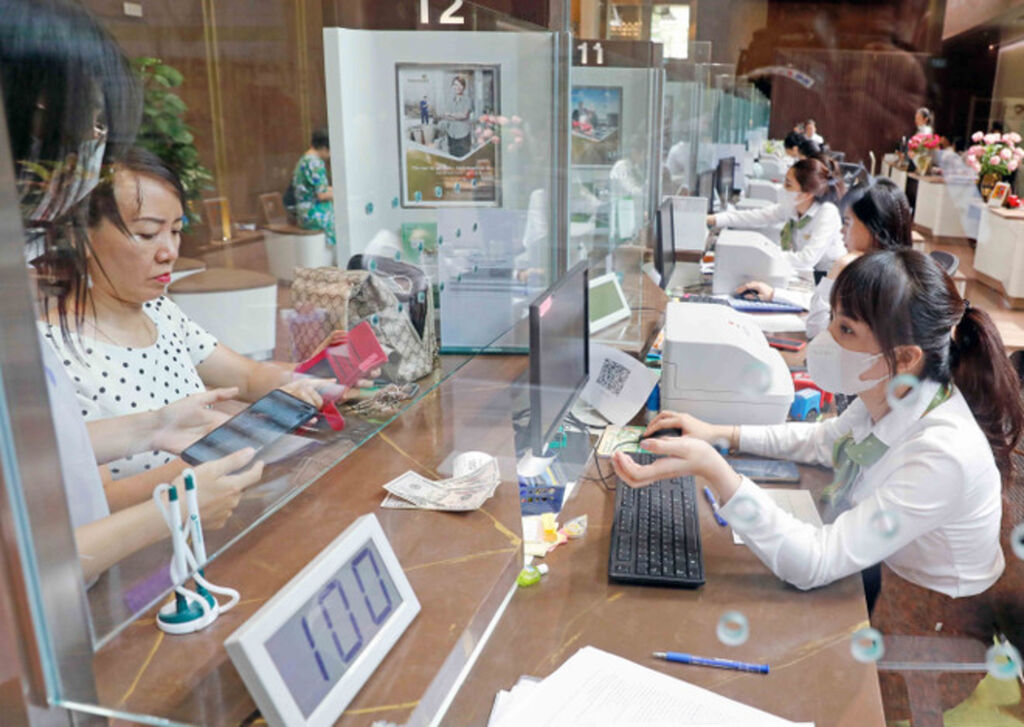 |
| Customers conduct transactions at Vietcombank’s headquarters in Hanoi. (Photo: VNA) |
Circular 30/2025 further requires payment service providers and intermediaries to promptly notify competent authorities and customers when transactions show signs of criminal activity. If investigations confirm no violations, related parties must coordinate to review transactions and resolve complaints within 15 days of official conclusions.
The stricter account name requirements are seen as a necessary step as cashless payments expand rapidly, helping strengthen transparency, security, and public trust in the banking system./.