Cultures of the World Festival closes, leaving impressions on visitors
The 2026 festival was particularly significant as it coincided with the 50th anniversary of Vietnam’s membership in UNESCO, marking five decades during which Vietnam has evolved from a country emerging from war into an active and responsible member, increasingly contributing initiatives to UNESCO and the international community.
Fireworks display at the closing ceremony of the second Cultures of the World Festival. (Photo: VNA)

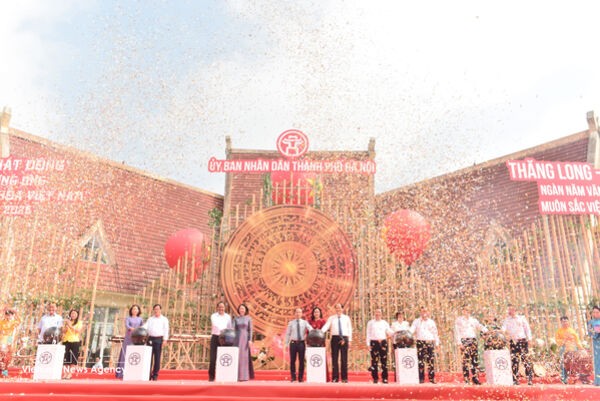
Hanoi (VNA) – The second Cultures of the World Festival 2026 concluded at the Thang Long Imperial Citadel in Hanoi on October 4 after four days of vibrant cultural activities that left lasting impressions on local residents and domestic and international visitors.

The closing ceremony saw the attendance of Member of the Party Central Committee and Vice President of the National Assembly Nguyen Thi Thanh; Member of the Party Central Committee and Minister of Culture, Sports and Tourism Lam Thi Phuong Thanh; ambassadors and heads of diplomatic missions, among others.

Under the theme “Heritage Convergence – Shaping the Future,” this year’s festival brought together participants from 50 countries, featuring 45 cultural spaces, 19 international art troupes, 35 food stalls and a film programme showcasing works from nearly 20 national film industries.

Addressing the closing ceremony, Thanh said that for Vietnam, culture is both the spiritual foundation of society and a goal, driving force and resource for national development. Preserving heritage is not merely about safeguarding the past, she noted, but also about keeping heritage alive in contemporary life, fostering creativity, generating new values and passing them on to future generations.

The festival demonstrated that when heritage, arts, cinema, fashion, cuisine, tourism and creativity come together in a shared space, cultural values can be not only introduced and preserved but also transformed into new experiences, products and values. This provides a practical means of promoting the cultural industries and turning creativity, cultural identity and heritage assets into endogenous strength, competitiveness and national soft power.

Building on the success of the two editions, the Ministry of Culture, Sports and Tourism will continue coordinating with the Ministry of Foreign Affairs, Hanoi, UNESCO, diplomatic missions and international partners to gradually develop the festival into a prestigious platform for international cultural exchange and cooperation. The festival is expected to become an annual event with a distinctive identity and deliver tangible cooperation outcomes each year, added Thanh.

A highlight of this year’s festival was its broad outreach to the public, extending beyond the Thang Long Imperial Citadel to public spaces and media platforms. Street parades brought the cultural colours of participating countries closer to residents and visitors.

The 2026 festival was particularly significant as it coincided with the 50th anniversary of Vietnam’s membership in UNESCO, marking five decades during which Vietnam has evolved from a country emerging from war into an active and responsible member, increasingly contributing initiatives to UNESCO and the international community./.
Related News

Vietnam’s cultural diversity captivates international delegates

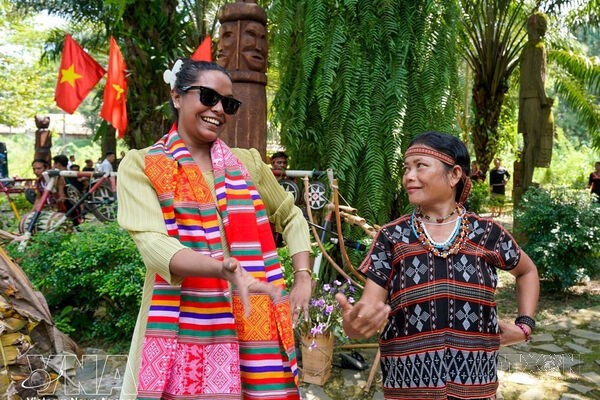
As part of the second Cultures of the World Festival in Hanoi, international delegates on October 2 visited the Vietnam National Village for Ethnic Culture and Tourism in Doai Phuong commune, Hanoi, where they explored the distinctive cultures and lifestyles of Vietnam’s ethnic groups.

Kinh Thien Palace exhibition sheds light on Thang Long’s history

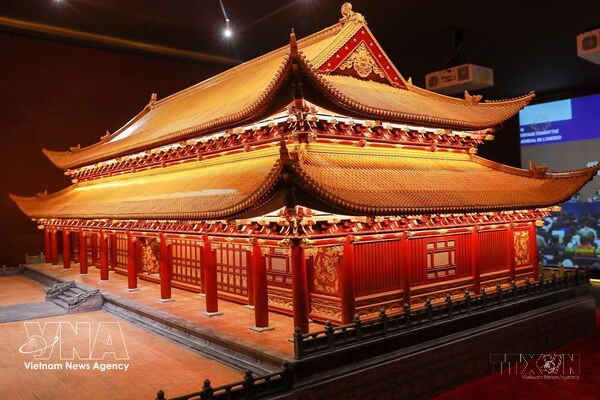
An exhibition on the reconstruction of Kinh Thien Palace and its main hall space officially opened to visitors at the Thang Long Imperial Citadel in Hanoi. The exhibition showcases documents, archaeological remains and scientific research findings, offering the public a clearer picture of Kinh Thien Palace through history.

See Also

Vietnam tourism poised for breakthrough growth

Vietnam’s tourism sector needs to shift strongly from volume to quality-driven growth, strengthen linkages and define right markets and products to attract high-value visitors, creating new momentum for sustainable growth and long-term competitiveness, said insiders.

Pu Sam Cap captivates visitors to Lai Chau

Blessed with spectacular caves and a cool climate year-round, the Pu Sam Cap cave complex is emerging as a popular destination for visitors to the mountainous westernmost province of Lai Chau. Beyond its pristine natural beauty, the site also carries historical and cultural values closely linked to the lives of ethnic communities in Vietnam’s north-western region.

Kinh Thien Palace exhibition sheds light on Thang Long’s history

An exhibition on the reconstruction of Kinh Thien Palace and its main hall space officially opened to visitors at the Thang Long Imperial Citadel in Hanoi. The exhibition showcases documents, archaeological remains and scientific research findings, offering the public a clearer picture of Kinh Thien Palace through history.

World cultures light up Hoan Kiem Lake

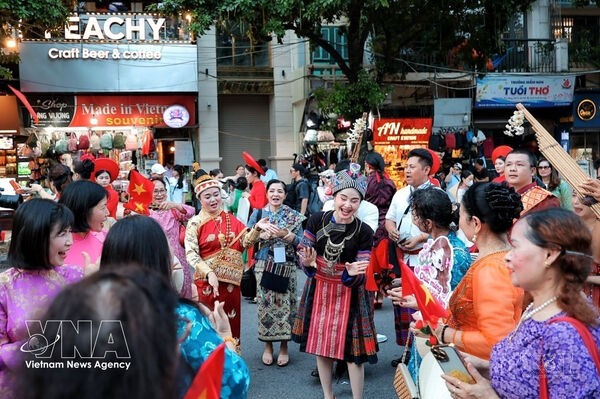
Hoan Kiem Lake - the heart of Hanoi - was transformed into a vibrant cultural stage on October 3 as international performers in traditional dress filled the pedestrian streets with music, dance and lively exchanges with local residents.

Digital transformation brings cultural heritage closer to the public

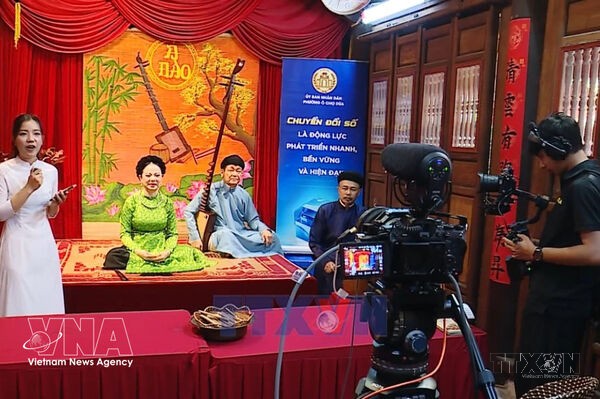
As part of the “100 Days of Digital Transformation” campaign, Hanoi is stepping up the use of technology across all aspects of social life, with particular emphasis on preserving and promoting cultural heritage. Going beyond the digitisation of documents and materials, many traditional cultural spaces are experimenting with new ways to bring heritage from physical settings into the digital realm, making it accessible to a much wider audience.

Golden rice fields in Chieng Sinh valley

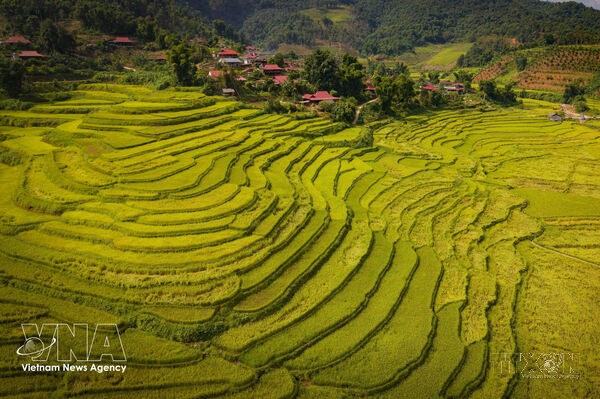
As the rice harvest approaches, the Chieng Sinh valley in the northern mountainous province of Dien Bien is covered in golden hues, with ripening fields stretching between rugged mountain ranges and villages nestled among the highland landscape.