 |
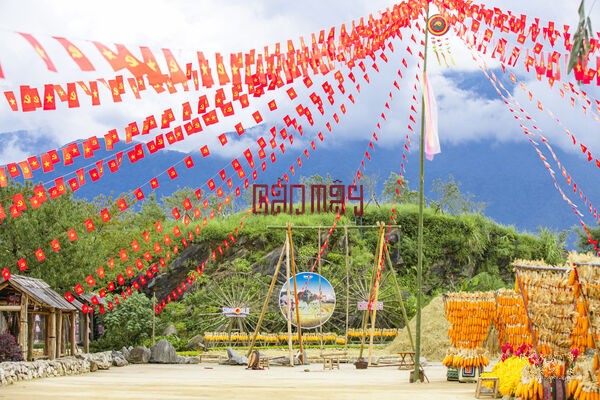
| Xuan Truong Valley is located within the Non Nuoc Cao Bang UNESCO Global Geopark in Cao Bang province. (Photo: VNA) |
Thai Nguyen (VNA) – The tourism industry is shifting from developing individual destinations to building connected journeys, with localities sharing resources, markets and value.
In the northern region, Thai Nguyen, Bac Ninh, Phu Tho, Tuyen Quang, Cao Bang and Lang Son hold strong potential to form an interprovincial tourism network thanks to their diverse landscapes, heritage, culture and tourism products.
Yet turning that potential into competitive products requires better infrastructure, services, business cooperation and coordination.
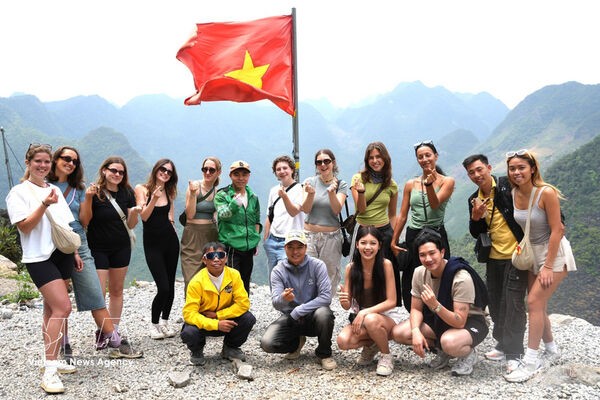
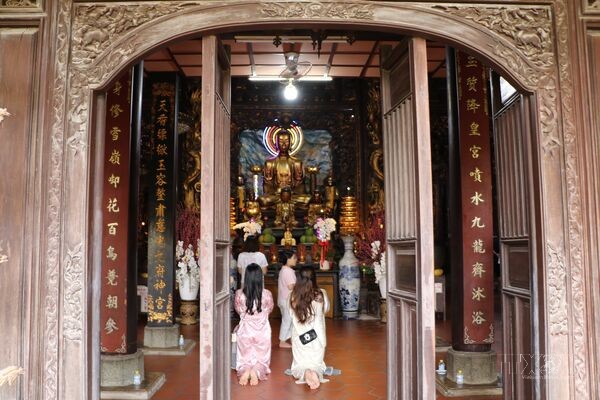
Each province offers distinctive attractions. Thai Nguyen is known for tea culture, revolutionary relics, forest landscapes and community-based tourism; Phu Tho for the Hung Kings heritage and Xoan singing; Bac Ninh for Quan ho folk songs, Kinh Bac culture and traditional craft villages; Tuyen Quang for revolutionary history and ethnic minority cultures; Cao Bang for mountains, waterfalls, caves, revolutionary history and local culture; and Lang Son for mountains, ethnic minority cultures and border tourism.
Linked together, these destinations could create longer, more diverse itineraries with multi-layered experiences, encouraging visitors to stay and spend more.
Pham Van Thuy, Deputy Director-General of the Vietnam National Authority of Tourism, said cooperation should go beyond joint promotion to shared products, markets and value chains, shifting from “locality-to-locality cooperation” to “destination-to-destination connectivity”.
To Vu Ninh, Director of the Cao Bang Department of Culture, Sports and Tourism, said the province could serve as both a northern gateway for international visitors, particularly from China, and an end destination for tourists travelling from the South.
Ha Thi Bich Hong, Director of the Thai Nguyen Department of Culture, Sports and Tourism, said her province’s expanded development space following the merger of administrative units offers opportunities to connect its industrialised southern area with the northern area’s forests, lakes, heritage and community-based tourism.
Improved highways and interprovincial roads are helping shorten travel times and facilitate multi-day tours. However, better transport must be matched by attractive products, quality services and convenient information access.
The six provinces are recommended to develop common themes covering heritage and culture, revolutionary history, nature and ecotourism, community-based tourism, cuisine and local specialties. Each locality should handle a specific link in the chain, but the final product should be designed as a unified journey.
Thai Hai village in Thai Nguyen's Tan Cuong commune, recognised among the World's Best Tourism Villages, demonstrates the potential of community-based tourism.
Le Thi Nga, deputy head of the village, said visitors are increasingly seeking authentic cultural and community experiences. If destinations are effectively linked, each locality can both showcase its unique identity and become part of a broader journey of discovery for travellers.
Tourism businesses need stronger cooperation in designing tours, sharing visitor markets, promoting products and maintaining service standards, said Do Trong Hiep, Chairman of the Thai Nguyen Tourism Association.
Service-quality gaps remain a challenge. Connectivity must therefore extend beyond roads to accommodation, food, guiding, transport, environmental standards and promotion.
Thuy suggested the six provinces develop annual action plans with clear responsibilities, resources and deadlines, alongside regular assessments of cooperation. Digital transformation should also be leveraged to strengthen destination competitiveness and build a smart tourism ecosystem.
Ultimately, the goal is not simply to attract more visitors to individual provinces, but to create longer, richer journeys that boost local economies while preserving heritage, cultural identity and community livelihoods./.