 |
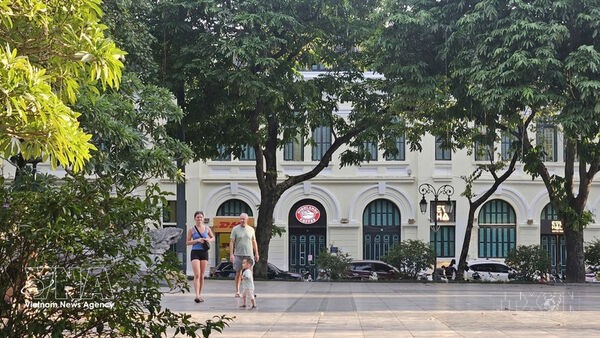
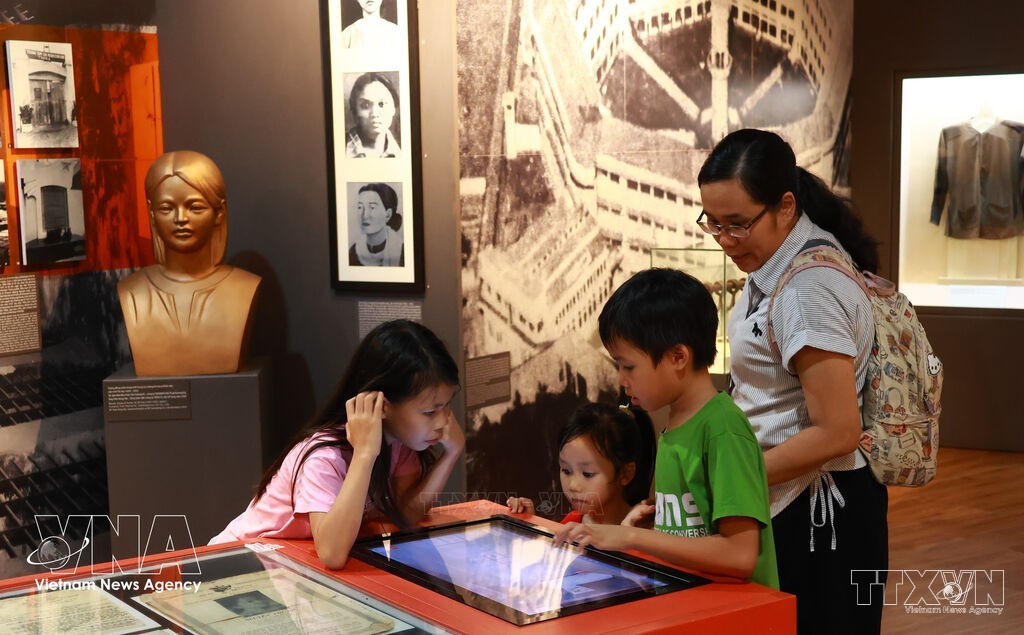
| The transformation of museums from “static repositories” into “dynamic experiential spaces” is driving the development of cultural industries. (Photo: VNA) |
Hanoi (VNA) - Digital technology is creating new ways to preserve, study and showcase cultural heritage, but making digitised collections accessible to the public requires reliable data storage, standardised information, engaging content and dedicated staff, said insiders.
From 3D artefact models to virtual tours, digital tools allow visitors to explore details that may be difficult to access in conventional exhibitions. Experiences in Ho Chi Minh City show that the effectiveness of digital transformation depends not only on the volume of digitised materials but also on how well original values are preserved and the resulting data is used.
From digitising artefacts to expanding access
The Southern Women’s Museum has so far digitised 1,113 artefacts, but only 113 are currently accessible to the public. According to deputy director of the museum Pham Thi Dieu, thousands of other artefacts are awaiting an exhibition system under an expansion project. The museum hopes to complete the system in 2027, enabling online visitors to explore the digitised collections.
Although many agencies have supported data creation, storing and promoting the value of these materials remain challenging. The museum is developing a staffing plan that includes personnel specialising in information technology, as it currently has no dedicated staff to manage, update and organise digitised data into content for visitors.
At the grassroots level, Tan Dinh ward plans to digitise Ngoc Hoang Pagoda, a nationally recognised architectural and artistic heritage site, followed by three municipal relic sites, said Do Thi Anh Tuyet, Vice Chairwoman of the People’s Committee of Tan Dinh ward.
It has included heritage and cultural data digitisation in its plan to develop a “digital Tan Dinh ward and digital neighbourhoods”. However, it needs further guidance on procedures, scope and technical requirements. It has asked the municipal Department of Culture and Sports to provide detailed instructions on digitising architectural and artistic relics, spaces, artefacts, documents and records.
Standardised procedures would ensure accurate data collection from the outset and enable integration with shared systems. Heritage records should systematically document each site's origins, characteristics, current condition and changes over time to support management, research and public access.
Dr. Pham Thi Khanh Ngan, Chief of Office of the Department of Cultural Heritage under the Ministry of Culture, Sports and Tourism, said a shared heritage database system is being developed to connect information across five areas: relic sites, museums, artefacts, intangible cultural heritage and documentary heritage.
The database could incorporate existing records, inventory and classification results, heritage listings, drawings, photographs, documentary films and 3D models. Such resources could support management, research and education while enabling new forms of online public access.
New experiences built on reliable data
At the War Remnants Museum in Ho Chi Minh City, digital technology supports both artefact management and visitor services. Deputy Managing Director of the museum Lam Ngo Hoang Anh said the agency had digitised all artefact records and standardised 130 terminology pages to support description, classification and retrieval.
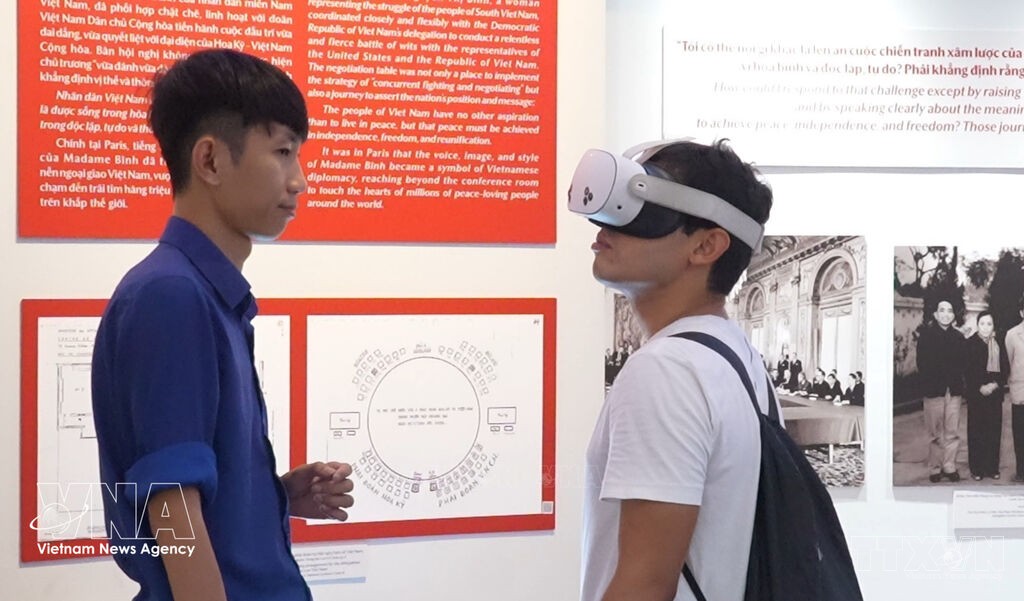 |
| A visitor experience virtual reality (VR) technology at the War Remnants Museum in Ho Chi Minh City (Photo: VNA) |
The museum uses automated ticketing, audio guides with 119 content points in 10 languages, 3D artefact scanning, online exhibitions and projection technology to enhance visitors’ engagement with historical artifacts.
These tools allow visitors to explore at their own pace, examine details often difficult to see in conventional displays, and access collections remotely. The technology helps deepen historical understanding, convey messages of peace, and preserve authenticity.
Focusing on lacquer art, Dr. Ngo Ho Anh Khoi, Vice Rector of the College of Digital Technology and Artificial Intelligence at Nam Can Tho University, proposed a three-step process: digital documentation, developing digital experiences, and using data for creative purposes.
Multi-angle photography and scanning can record artefacts’ surface structures and material characteristics, supporting research and conservation while minimising intervention in original objects. The data can be used to create virtual galleries and 3D models that visitors can rotate, enlarge and explore, as well as interactive demonstrations of lacquer-making techniques and the skills involved.
Christopher Bryson, a representative of Infinite Muse, discussed combining heritage data with immersive technologies and AI. 3D models and interactive spaces can offer new perspectives on artefacts and sites, while AI can help search records, prepare content and answer questions using information selected and verified.
Nguyen Minh Nhut, Deputy Director of the Ho Chi Minh City Department of Culture and Sports, said heritage digitisation requires standardised data and appropriate technology. Data must be legally sourced, accurate, complete, consistent and shareable from the outset. Implementation should also suit each museum or heritage site's characteristics, financial resources and staffing capacity./.