 |
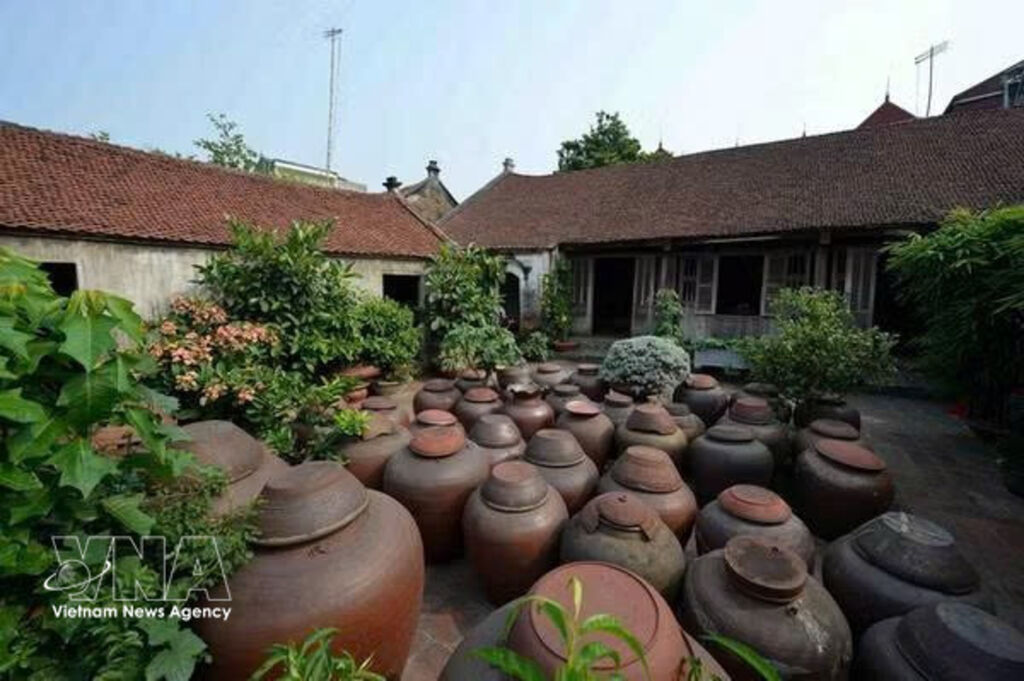
| The courtyard of an ancient house within the Duong Lam ancient village relic site (Photo: VNA) |
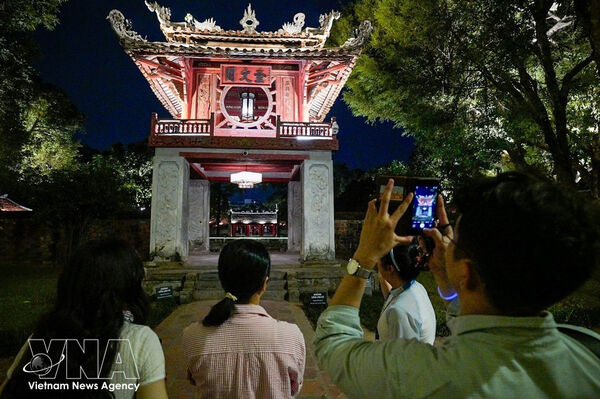
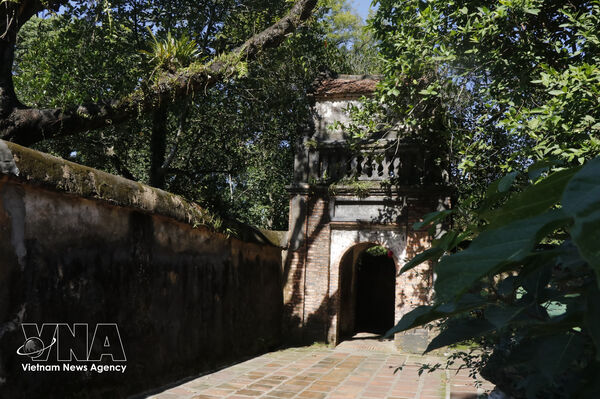
Hanoi (VNA) – Amid the changes of modern life, Duong Lam ancient village in Son Tay ward, Hanoi, has retained precious traces of a traditional Vietnamese village, including its village gate, communal house, pagodas, wells, brick-paved paths, laterite walls and moss-covered houses, while preserving the customs, traditions and way of life of Vietnamese people across generations.
The special value of Duong Lam lies in its ability to preserve an entire cultural landscape characteristic of traditional Vietnamese villages. Values such as neighbourly solidarity, respect for ancestors, attachment to one's homeland and a strong sense of community remain the foundations of local identity.
Recognising these values, Hanoi has been implementing various programmes and projects to preserve, restore and promote the heritage of the ancient village.
A project for the 2024–2030 period, with a vision to 2035, aims to conserve valuable architectural works, improve the village's living environment, develop tourism while safeguarding its identity, and improve local residents' living standards. Plans also include seeking recognition of Duong Lam as a special national relic site and preparing a dossier for its nomination to UNESCO as a world cultural heritage site.
Nguyen Tran Quang, Deputy Director of the Hanoi Department of Culture, Sports and Tourism, said the city's tourism sector aims to have Duong Lam recognised as one of the “Best Tourism Villages” by the United Nations Tourism Organisation before 2030. Achieving this goal requires concerted efforts from all levels and sectors, local authorities, the business community as well as residents.
Duong Lam currently has 50 relic sites, including seven national-level relics and 12 provincial-level relics and ancient houses. It is also home to nearly 100 houses dating back more than 100 years, alongside hundreds of traditional-style houses typical of the Red River Delta.
The village is one of the country's representative ancient settlements that have relatively well preserved their original layout, including communal houses, temples, pagodas, village gates, ancient wells, roads, alleys, laterite walls and the distinctive landscape of the “Doai” region.
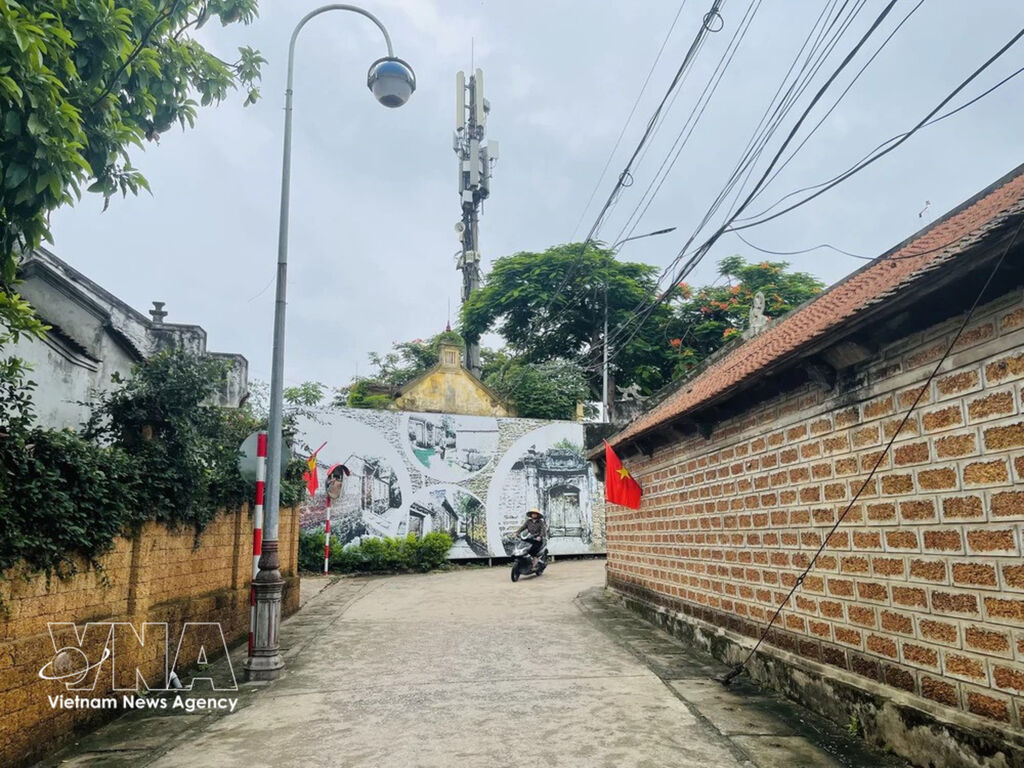 |
| The alleyway spaces in the ancient village of Duong Lam have been preserved and refurbished, contributing to a heritage space network linked to community development and cultural tourism. (Photo: VNA) |
The historical, architectural and cultural values passed down through generations have given Duong Lam a distinctive appeal, attracting large numbers of visitors keen to explore and experience the village.
Ngo Van Ha, an 81-year-old carpenter from Bac Ninh city who has spent many years working in traditional wooden house construction, said that communal houses, pagodas and ancient houses across Vietnam, including those in Duong Lam, were built with great care and craftsmanship.
Their structural components, including columns, beams, rafters and doors of various sizes, were mainly made from durable ironwood. Intricate carvings adorned the interiors while thick layers of roof tiles provided protection. Thanks to skilled construction techniques and durable materials, many structures have stood for hundreds, even a thousand, of years while retaining their ancient charm. Traditional-style wooden houses also stay cool in summer and warm in winter, creating a comfortable and welcoming living environment.
Nicolas and his companion Vanessa, from southern France, shared their impressions while walking around the village. They said Duong Lam is the most beautiful they have ever come to and that it is also a very authentic and genuinely welcoming village.
Nguyen Thi Tuyet, born in 1966, who lives and runs a business in Duong Lam, said Duong Lam has retained much of the original layout of a traditional Vietnamese village, with communal houses, pagodas, temples, village gates, ancient wells and family ancestral houses closely connected to community life. Mong Phu hamlet is particularly impressive for its old tiled-roof houses, laterite walls and winding narrow lanes, which embody the rustic charm of the Vietnamese countryside.
The ancient village is also known as the “land of two kings”, being the birthplace of Bo Cai Dai Vuong Phung Hung and King Ngo Quyen, two national heroes who made major contributions to the struggle for national independence.
Historical sites, temples, tombs and stories about prominent historical figures have given Duong Lam considerable historical depth. History is not confined to books but lives on in place names, houses, religious and spiritual structures, and stories passed down through generations.
As Vietnam Culture Day 2026 approaches, the story of Duong Lam serves as a reminder of the responsibility to cherish, preserve and promote the nation's heritage./.