Four Hanoi craft villages join global creative crafts network
The recognition is not only a source of pride for the capital but also creates opportunities to promote these craft villages globally, strengthen international connections, and support their sustainable development in the process of global integration.
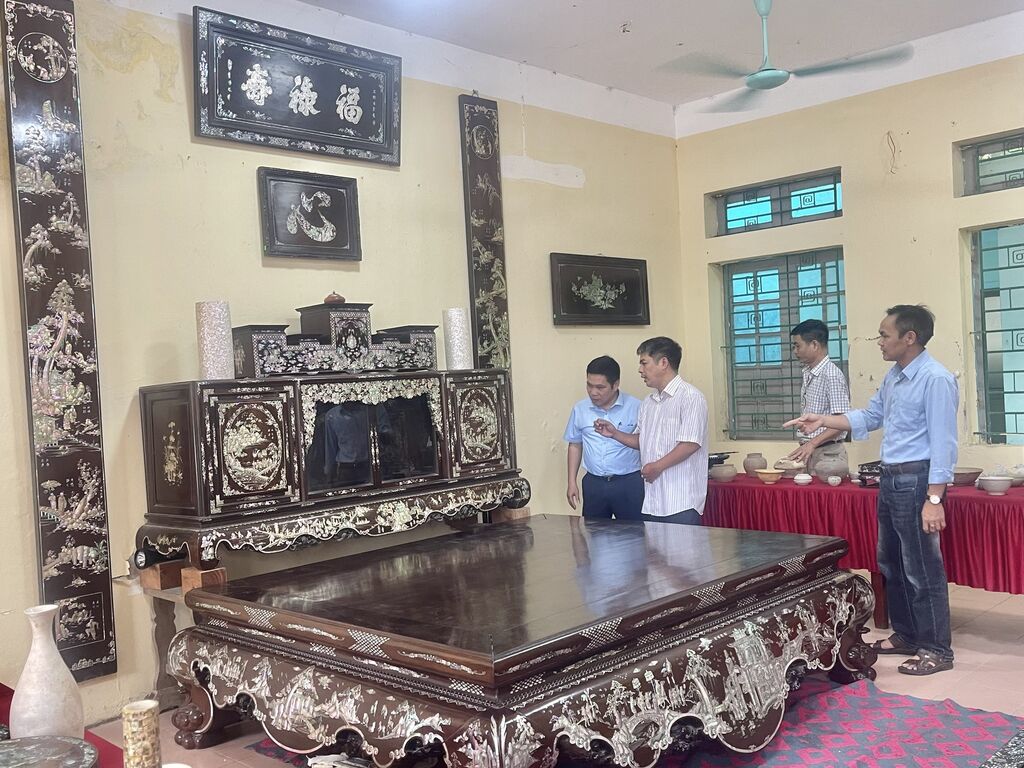
Artisan Vu Van Vinh from Chuyen My commune introduces to visitors a set of mother of pearl inlaid lacquer furniture including a platform bed, tea cabinet, and lacquered horizontal boards and parallel sentences made by his family, worth more than 3 billion VND. (Photo: VNA)

Hanoi (VNA) - Hanoi has further affirmed its status as Vietnam’s largest craft village hub as four of its traditional villages have been officially recognised as members of the Global Network of Creative Craft Cities by the World Crafts Council (WCC).

According to the Hanoi Department of Agriculture and Environment, the capital currently has about 1,350 craft villages and villages with traditional trades, including 337 recognised by the municipal People’s Committee. Beyond their role in promoting rural economic development, these craft villages also help preserve and promote the distinctive cultural heritage of the capital.

In 2025, two of Hanoi’s well-known craft villages, Bat Trang pottery village and Van Phuc silk village, were recognised by the WCC as official members of the global network. Both are iconic craft brands with long histories, producing items of high technical and artistic quality that are popular in both domestic and international markets.

In February 2026, the WCC continued its evaluation and decided to recognise two additional Hanoi craft villages, including Chuyen My, known for mother of pearl inlay, and Son Dong, famous for traditional handicrafts, as official members of the network.

With four of the 73 craft villages worldwide listed in the network, Hanoi has become the first and only locality in Vietnam to achieve this distinction.

The recognition is not only a source of pride for the capital but also creates opportunities to promote these craft villages globally, strengthen international connections, and support their sustainable development in the process of global integration./.

See Also

Co people in Quang Ngai highland commune revive stream fishing ritual

During the Lunar New Year 2026, residents of Thanh Bong, a highland commune in Quang Ngai province, revived the traditional stream fishing ritual of the Co ethnic group on an unprecedented scale. Known locally as Hoi P’hiet Xol, the custom involves building a temporary dam across a stream to catch fish, symbolising the cleansing of past misfortunes and prayers for favourable weather, abundant harvests and a prosperous, harmonious year ahead.

Island commune of Tan Hiep (Da Nang) readies for nationwide election day

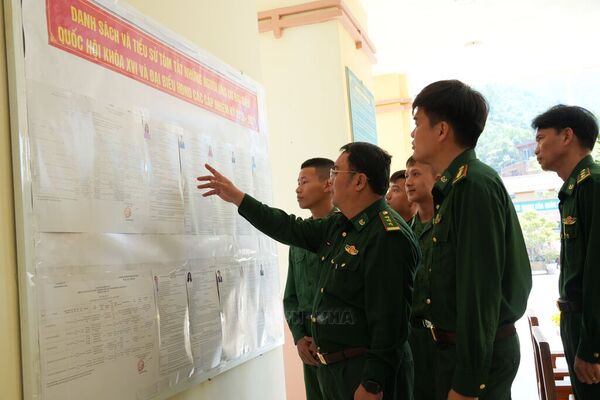
Final preparations are underway in Tan Hiep island commune (Cu Lao Cham archipelago), Da Nang city, for the election of deputies to the 16th National Assembly and People’s Councils at all levels for the 2026–2031 term, as the locality stands ready for the nationwide election day with strong confidence in the country’s new development phase. Photo: VNA

Military handover ceremonies held nationwide in 2026

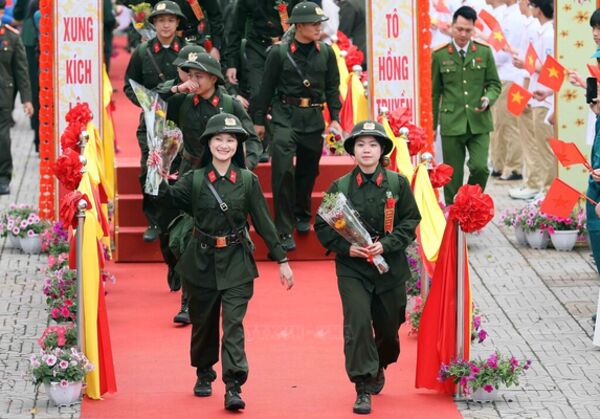
On the morning of March 4, 2026, localities nationwide solemnly held military handover ceremonies, seeing off outstanding young citizens to perform their military service and contribute to national construction and defence. Photo: VNA

Lai Chau Border Guards – A trusted bridge between Party, State and ethnic minorities in border areas

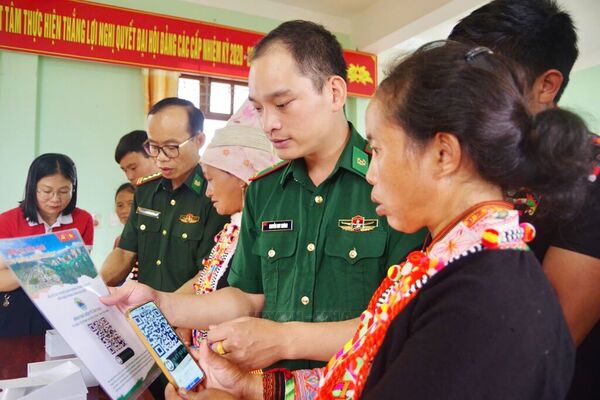
As a mountainous province with a long border line, rugged and fragmented terrain, and still-challenging living conditions for ethnic minorities like Lai Chau, the role of the Border Guard Force is both sacred and heavy with responsibility. They are not only soldiers safeguarding every inch of the Fatherland’s sacred territory, but also devoted “sons” who live, work and develop alongside local people at the country’s frontier. Photo: Viet Dung – VNA

Thu Cuc commune transforms through livelihood restructuring in ethnic minority area

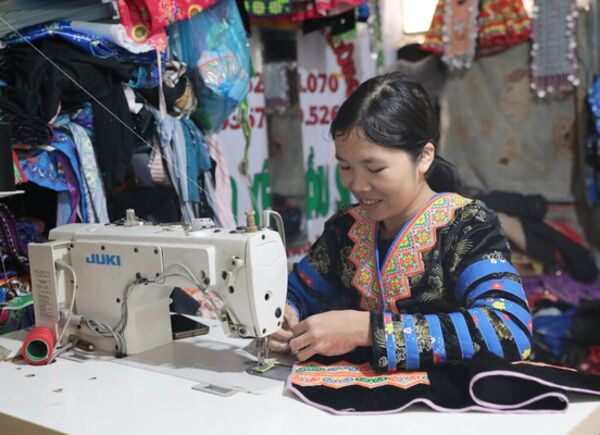
Once a particularly disadvantaged mountainous commune where more than 70% of the population are ethnic minorities, Thu Cuc commune in Phu Tho province is now taking on a new look marked by growing prosperity and hope. By boldly restructuring crops and livestock, applying scientific and technical advances, and benefiting from timely poverty reduction policies and programmes of the Party and the State, many households have stabilized their livelihoods, accumulated savings and moved toward sustainable development. Photo: Ta Toan – VNA

Early voting arranged for units on duty at sea

On the morning of March 1, 2026, the early voting team of Naval Region 2 arrived at the Ba Ke cluster to organize early voting for voters aboard Hai An 68 vessel and DK1/9 offshore platform. Earlier, during the voyage to the Ba Ke cluster on February 27, the voting team organized early voting for voters on four vessels of Flotillas 128 and 129 of the Vietnam People’s Navy while performing duties in the Bach Ho oilfield area. On the afternoon of February 28, the early voting team operating at sea aboard Fisheries Surveillance Vessel 260 reported that from February 26 to 28, early voting had also been organized for voters on three vessels on duty and patrol at sea. Photo by courtesy/VNA

Dak Lak: pagoda blending Central Highlands and royal court architecture

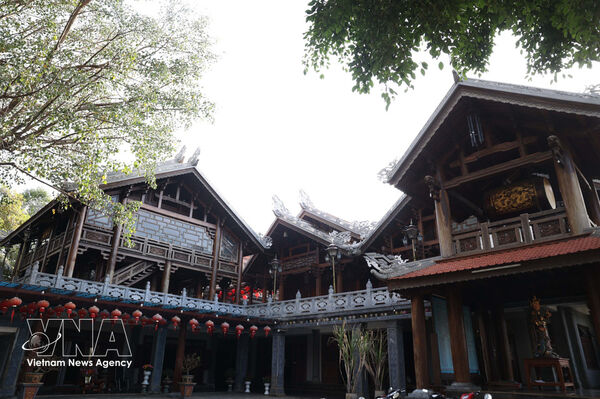
Sac Tu Khai Doan Pagoda is not only the largest pagoda in Dak Lak province but also a distinctive cultural and spiritual symbol of the Central Highlands. Its defining feature is the harmonious fusion of the Central Highlands’ rong house architecture and the style of Hue’s royal court architecture.

“Extended arms” bringing digital transformation to grassroots level in Da Nang

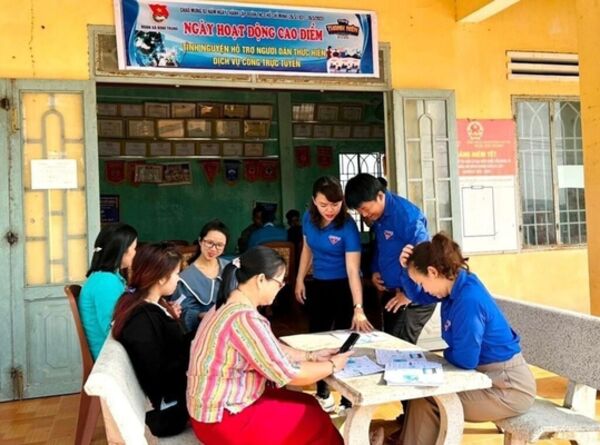
With a network covering all villages and residential quarters and more than 24,000 members, Community Digital Technology Teams and Project 06 in Da Nang city are affirming their role as a core force and an “extended arm” of digital transformation steering committees at all levels, helping bring digital skills and services closer to residents and contributing to comprehensive digital transformation from the grassroots. Photo: Khoa Chuong – VNA