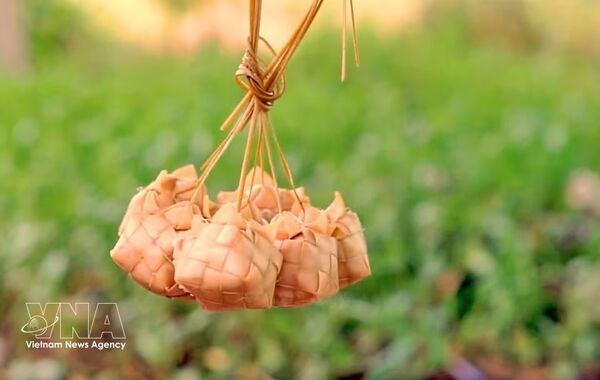
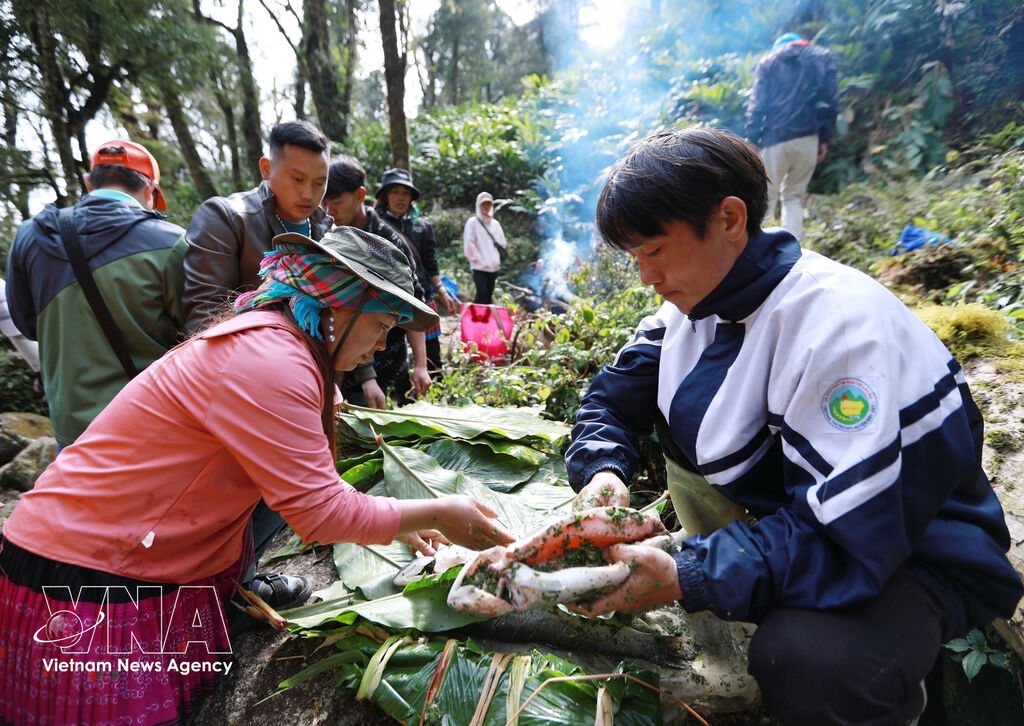
When stopping along the route, visitors can enjoy dishes prepared by local residents, featuring the distinctive flavours of the Northwest. (Photo: VNA)
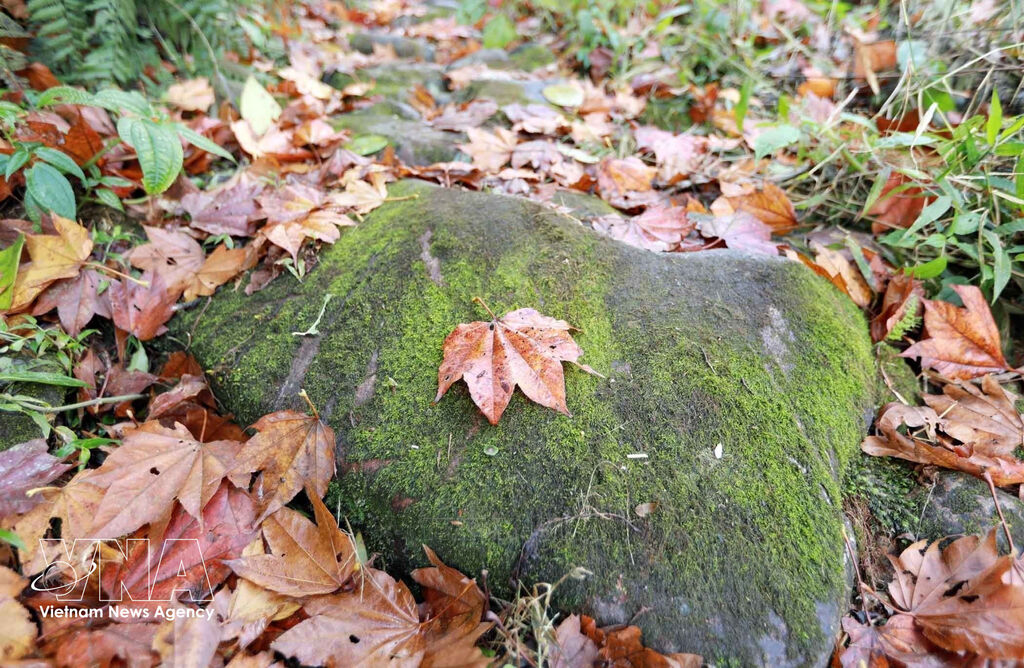
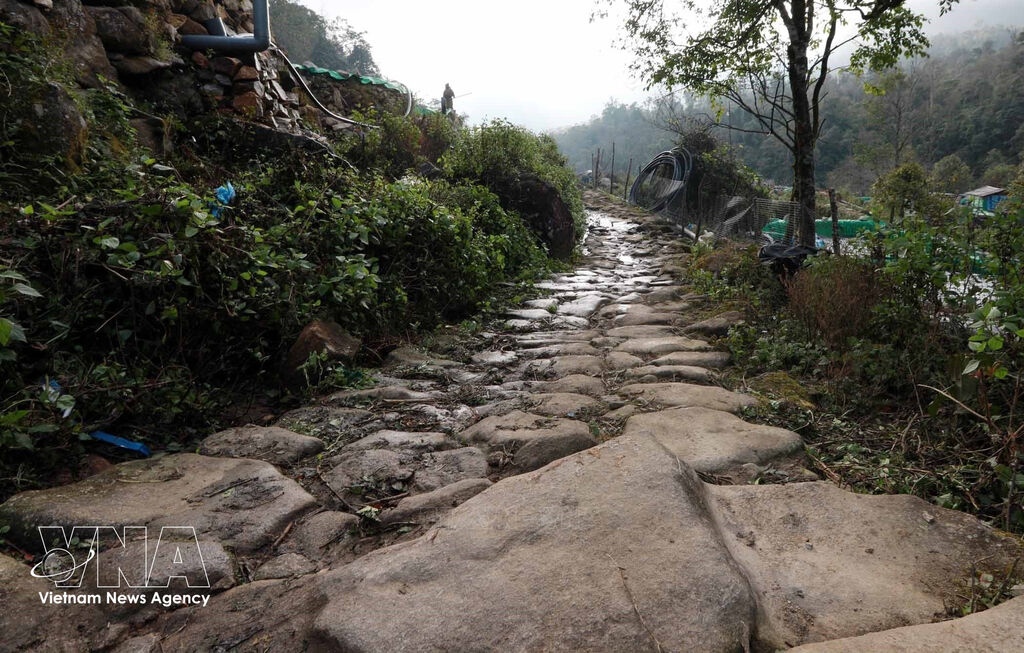
Along the ancient stone road, large moss-covered blocks measuring about 50–70 cm square lie hidden beneath layers of fallen leaves. (Photo: VNA)
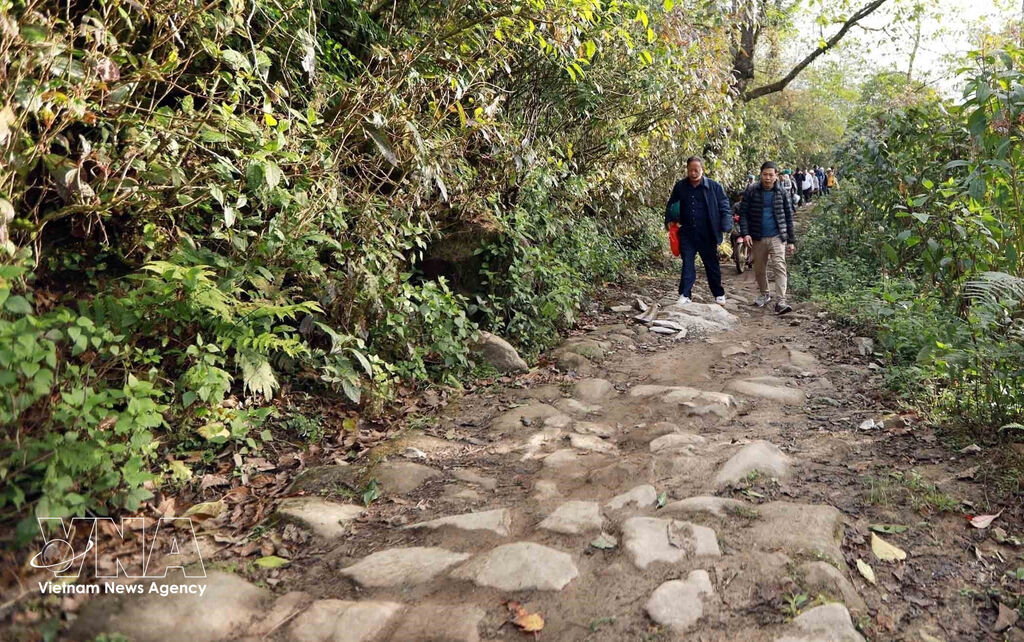
Over time and through wars, about 17 kilometers of the road remain today. (Photo: VNA)
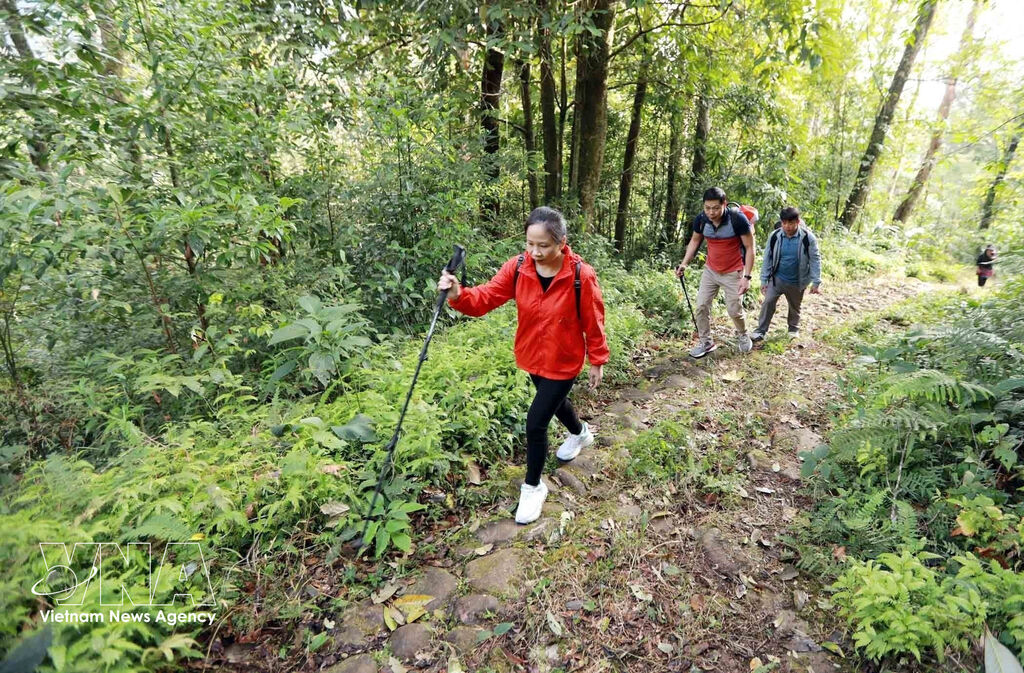
In recent years, Lai Chau has coordinated with Lao Cai to conduct surveys and propose plans to develop tourism along the Pavie ancient stone road. (Photo: VNA)
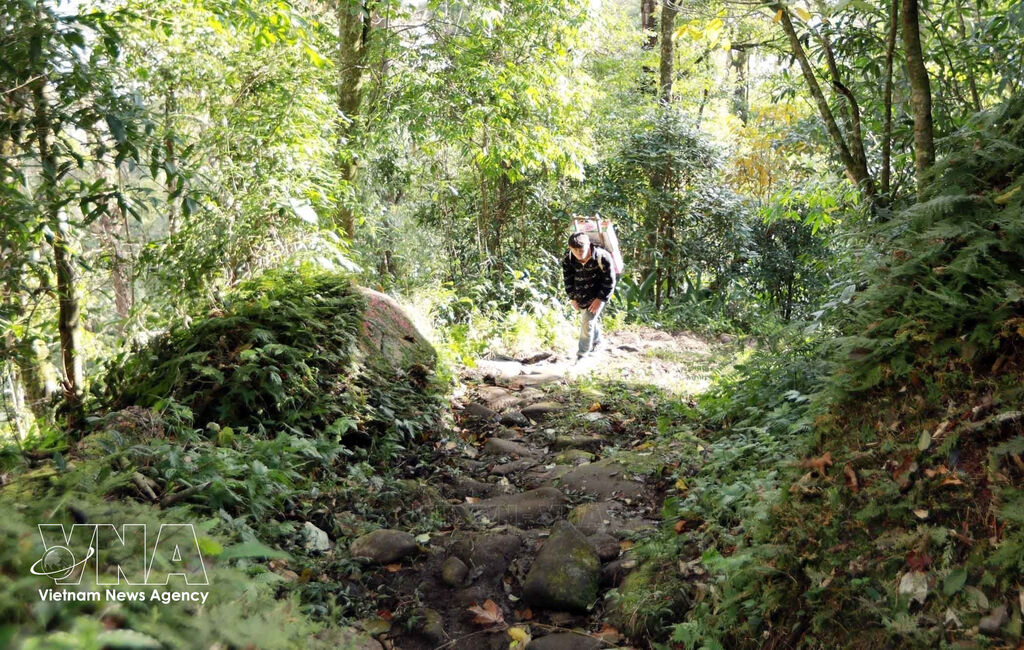
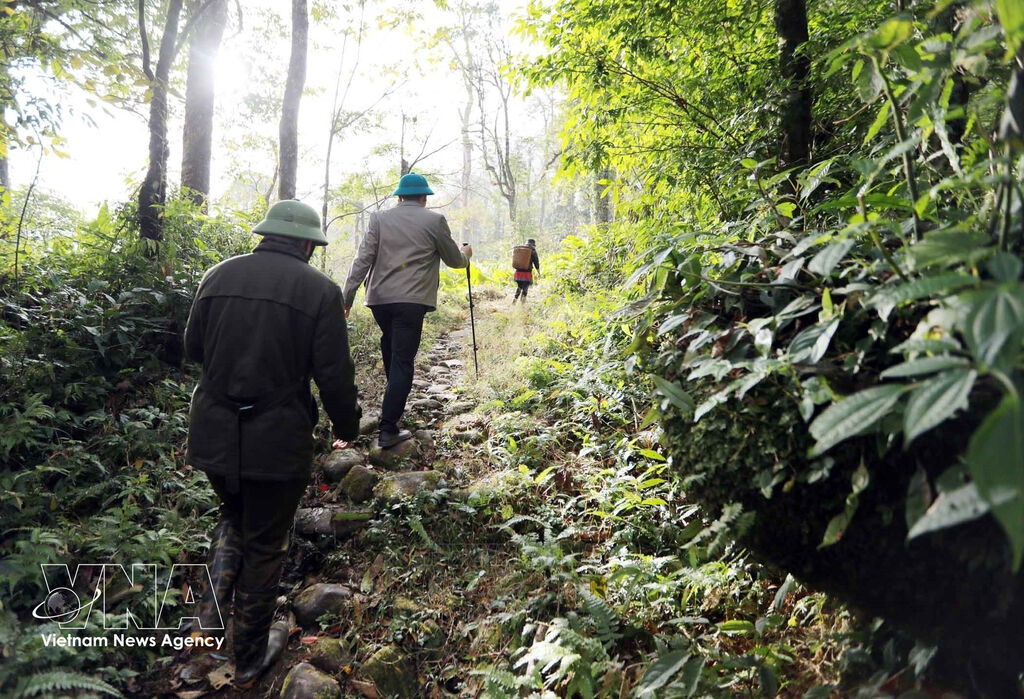
The Pavie stone road connects villages in Lai Chau and Lao Cai, running through pristine old-growth forests. (Photo: VNA)
Remnants of the more-than-100-year-old stone road stand as witnesses to history. (Photo: VNA)
The Pavie ancient stone road was surveyed, designed, and built by the French in the early 20th century to serve colonial exploitation. (Photo: VNA)
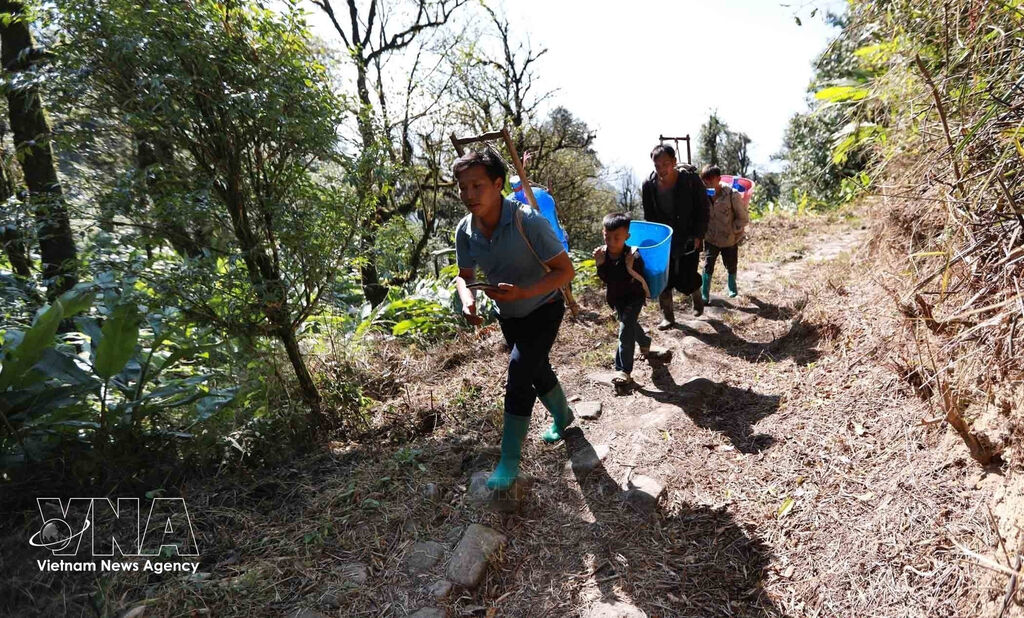
Today, the route is used by local residents to access their fields and for daily life. (Photo: VNA)
Green tourism unlocked along Lai Chau–Lao Cai stone route
The Pavie ancient stone road was once a vital route connecting former Phong Tho district of Lai Chau province and former Bat Xat district of Lao Cai province. It was designed and constructed in the early 20th century. The two northern provinces have collaborated on surveying, preserving, and revitalising this route, promising to create a unique, sustainable green tourism route that deeply connects the two localities.