Hanoi builds four-season tourism appeal
Hanoi’s tourism events are increasingly designed to inspire exploration beyond individual festivals. At the Hanoi Tourism Gift Festival, for instance, visitors can make handicrafts with artisans, explore destinations through virtual reality and discover new tours and tourism stimulus programmes.
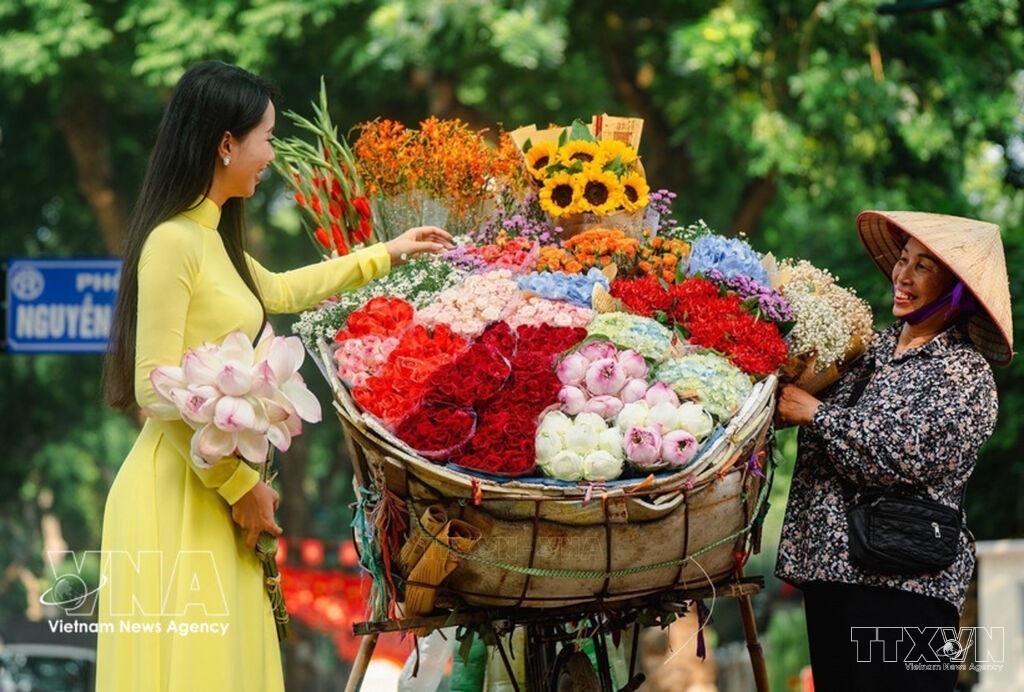
Flower vendors form a distinctive feature of Hanoi’s autumn. (Photo: VNA)

Hanoi (VNA) – Hanoi is shifting from event-based tourism toward a year-round experience model, using festivals as gateways to longer stays, deeper cultural encounters, and repeat visits.

​Hanoi’s tourism events are increasingly designed to inspire exploration beyond individual festivals.

At the Hanoi Tourism Gift Festival, for instance, visitors can make handicrafts with artisans, explore destinations through virtual reality and discover new tours and tourism stimulus programmes.

​The approach turns festivals into starting points for longer journeys, complemented by the Hanoi Tourism Festival at the Thang Long Imperial Citadel, summer tourism programmes, night tours and cultural events.
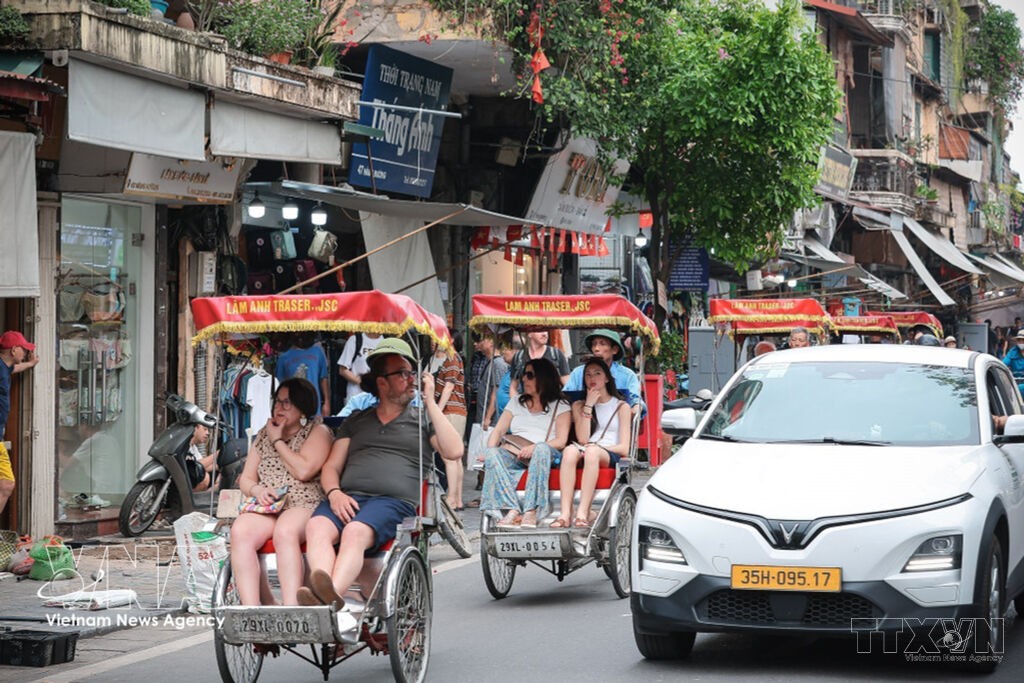
Tourists visit Hanoi's Old Quarter by cyclo. (Photo: VNA)

Tran Trung Hieu, Deputy Director of the Hanoi Department of Culture, Sports and Tourism, said festivals were increasingly being used to introduce tourism products, linked tours and year-round experiences, helping reduce seasonality and make better use of the capital’s heritage and tourism infrastructure.

Hanoi is also developing more immersive products to encourage longer stays and repeat visits.

​At Bat Trang pottery village, visitors can make their own ceramics, meet artisans and learn the stories behind traditional products. Similar experiences have been developed through night tours at the Thang Long Imperial Citadel, visits to the Hoa Lo Prison Relic Site and activities at Van Phuc silk village.

Vietravel Hanoi said tourists, particularly international visitors, increasingly sought hands-on encounters with local culture, crafts, cuisine and communities.
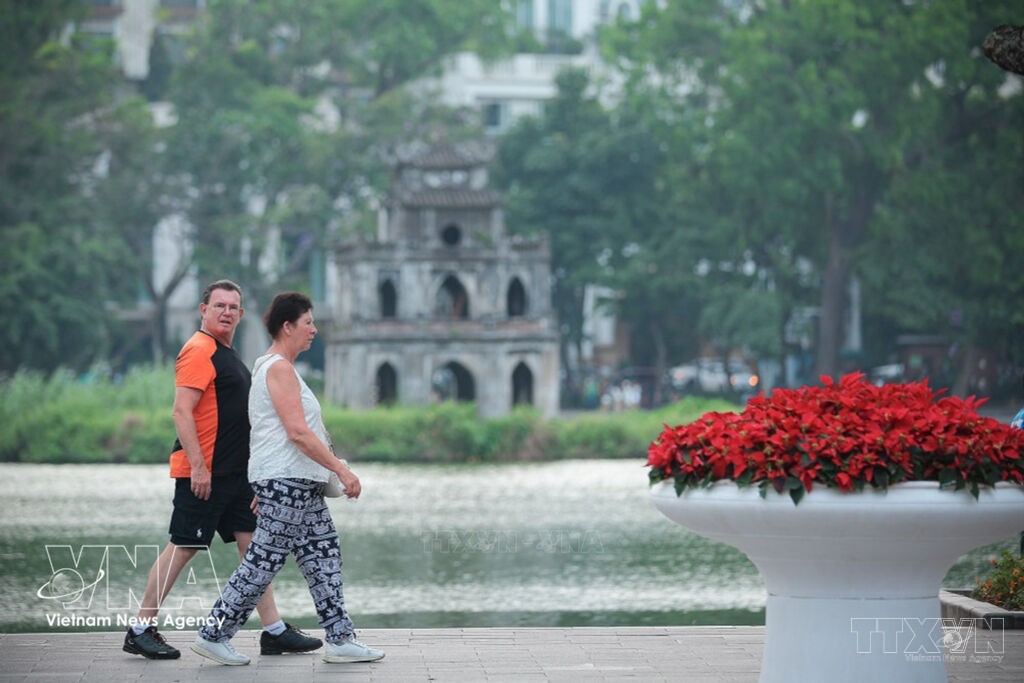
Foreign visitors walk around Hoan Kiem Lake in Hanoi. (Photo: VNA)

According to Agoda’s 2025 Return Visitor Rank, Vietnam ranked third in Asia for international visitor return rates, after Japan and Thailand. Hanoi was among the country’s five destinations with the highest number of returning international visitors.

The trend highlights the growing importance of distinctive experiences in strengthening destination competitiveness and encouraging repeat visits./.

See Also

Vietnam taps community tourism potential for sustainable development

The tourism market is shifting from sightseeing towards living and connecting with destinations. Visitors increasingly seek authentic and locally rooted experiences, interaction with local people, culture and nature, as well as small-group and personalised trips with limited environmental impact and clear benefits for communities.

Cultural vitality of mountainous markets

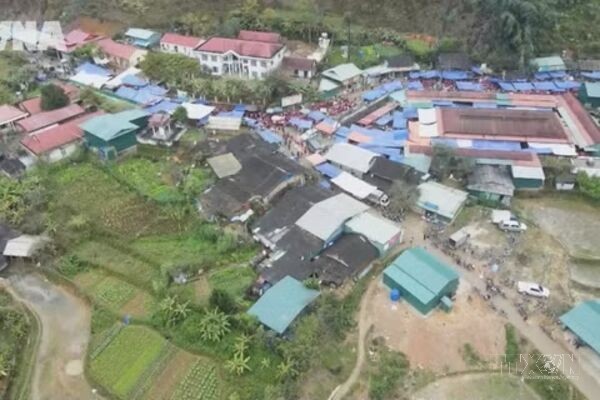
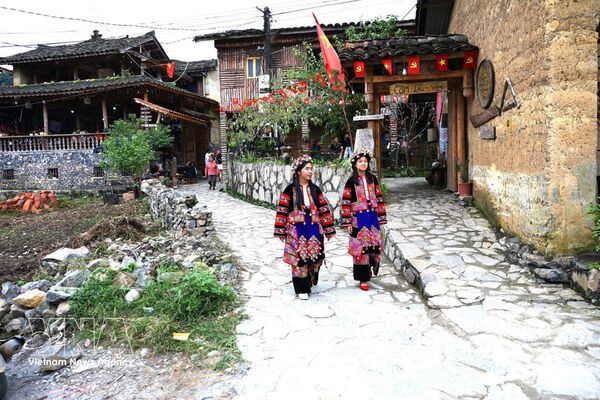
Amid the fast pace of modern life, mountainous markets in Dien Bien province continue to attract visitors while preserving the distinctive culture of local ethnic communities. More than places to buy and sell everyday goods, these markets are also spaces for cultural activities, social gatherings and community interaction. They help preserve traditional identities while creating new opportunities for community-based tourism.

Asia's most beautiful village: Preserving traditional culture, building sustainable livelihoods

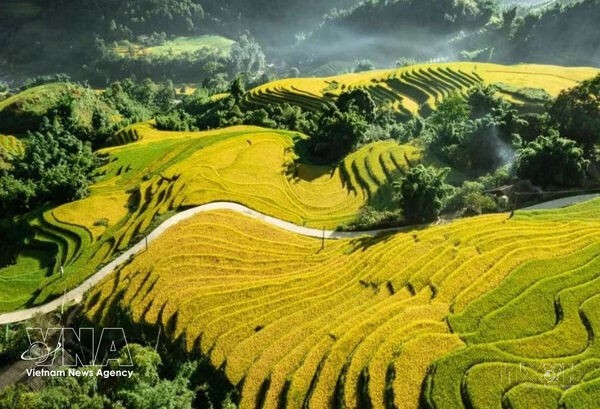
As August arrives each year, sunlight bathes the mountains of Lao Cai, transforming the terraced fields of Ta Van commune into a vibrant green landscape that draws visitors from Vietnam and abroad. By linking tourism development with environmental protection and the preservation of traditional culture, Ta Van, following administrative restructuring, is emerging as a destination rich in cultural identity and natural resources. Tourism and services are strengthening their role as a key pillar of the local economy.

Hon Nhan island gains appeal as Quang Ngai’s new coastal escape

Hon Nhan island in Dong Son commune, Quang Ngai province, is emerging as an attractive eco-tourism destination thanks to its pristine, landscape of volcanic sedimentary rock formations and crystal-clear waters. With its rich coral ecosystem, Hon Nhan demonstrates a sustainable approach to tourism development linked with the conservation of natural resources.