 |
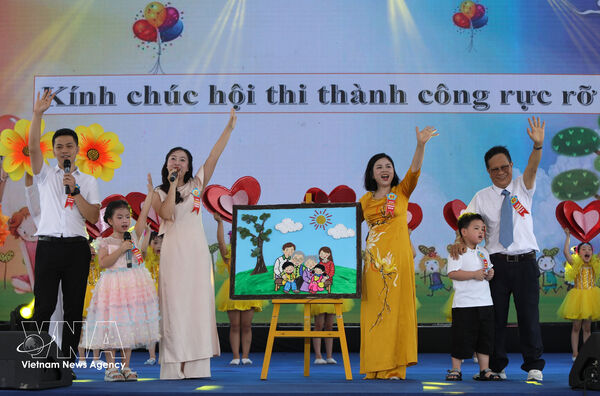
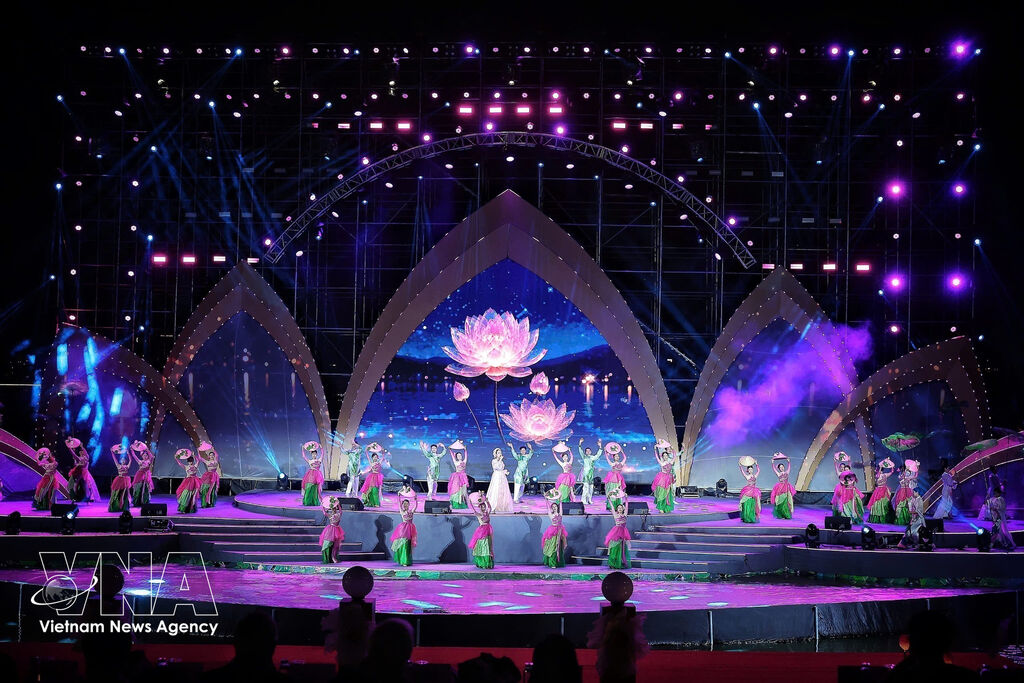
| An art performance at the opening of the Hanoi Lotus Festival 2026 (Photo: VNA) |
Hanoi (VNA) - The Hanoi Lotus Festival 2026 opened at Ly Tu Trong Flower Garden in Tay Ho ward on the evening of June 26, featuring a wide range of cultural and artistic activities celebrating the lotus as a symbol of Vietnamese culture and promoting Hanoi’s tourism.
The festival is part of Hanoi's strategy to boost its cultural industries by transforming cultural heritage into a driver of socio-economic development while preserving and promoting the city's traditional cultural values.
Speaking at the opening ceremony, Dang Huong Giang, Director of the Hanoi Department of Tourism, said the event reflects the city's commitment to positioning Hanoi as a safe, attractive and professional destination. It also serves to showcase the capital to domestic and international visitors and highlight Hanoi's determination to develop distinctive cultural and historical tourism products.
She noted that government agencies, local authorities, businesses, artists, artisans and the wider community are working together to make Hanoi a city worth visiting, living in and experiencing.
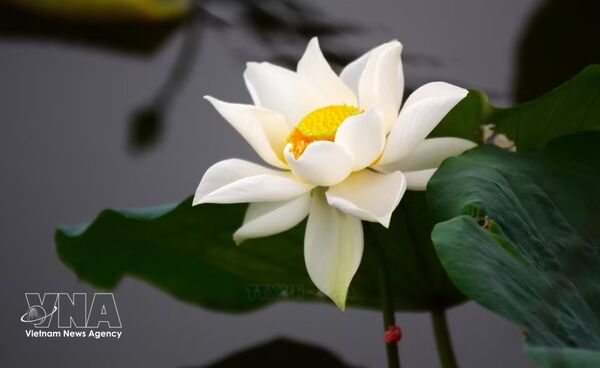
Giang said the lotus has long been a cherished symbol embodying the character, resilience and spirit of the Vietnamese people. For Hanoi, the flower is not only a gift of nature but also an enduring cultural icon deeply woven into the city's spiritual, artistic and cultural life.
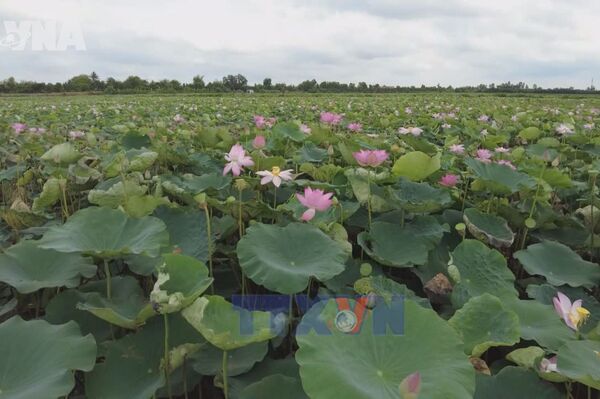
Running from June 26 to 28, the festival takes place at three venues in Tay Ho ward – Ly Tu Trong Flower Garden, Tay Ho Creative Cultural Space and Lac Long Quan Flower Garden – as well as in 16 communes and wards known for lotus cultivation across the city.
Following the opening ceremony, visitors can enjoy a variety of exhibitions and interactive experiences.
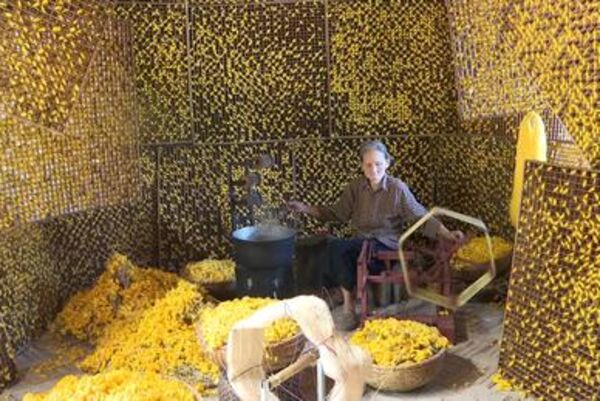
At the "Lotus – Essence and Life" space, more than 30 lotus varieties from Hanoi and other localities are on display, alongside handicrafts, OCOP products, fashion collections and creative artworks inspired by the lotus. Visitors can also explore lotus silk weaving, savour traditional lotus tea and sample lotus-based cuisine.
The "Lotus – Art and Creativity" space features calligraphy and artworks centred on the lotus, as well as the "West Lake Lotus Moments" painting event involving around 500 children, including nearly 100 international participants. The activities aim to promote Vietnamese cultural values to international friends while nurturing young people's appreciation of the nation's heritage.
Another highlight is the "Lotus – Performance and Community" space, which will feature folk performances, street art and a parade celebrating both the beauty of the lotus and Vietnam's traditional ao dai.
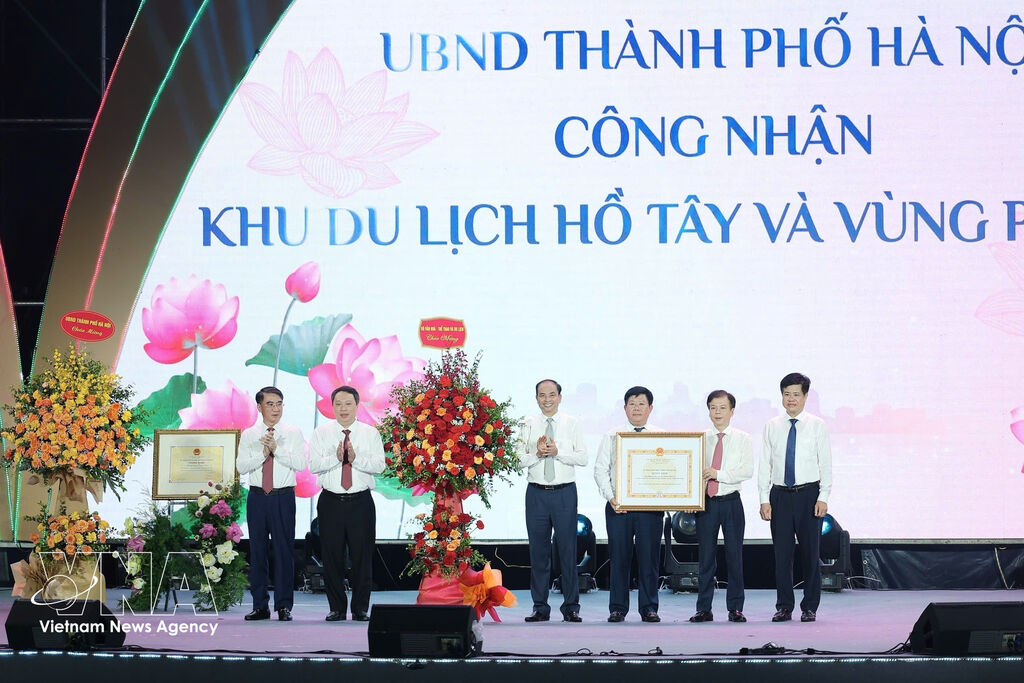 |
| Deputy Minister of Culture, Sports and Tourism Nguyen Huy Dung presents the Decision recognising "West Lake and surrounding areas as a tourist area," contributing to creating a highlight in the development of the capital city (Photo: VNA) |
Additional activities include the "Fragrance and Beauty of West Lake Lotus" photography exchange, a lotus tea cultural space and various artistic performances.
According to Giang, the enthusiastic participation of residents and visitors is expected to make the 2026 festival a memorable event that fosters greater pride in and appreciation of Hanoi's rich cultural heritage.
At the opening ceremony, organisers announced the inscription of Quang An lotus tea scenting on the National Intangible Cultural Heritage List and the recognition of West Lake as a tourist area. The recognition marks an important milestone, reinforcing West Lake's status while creating fresh momentum for the capital's green, civilised and sustainable tourism development.
The festival will conclude on the evening of June 28. With its diverse programme, it is expected to become one of Hanoi's signature annual cultural and tourism events, helping promote the capital's image, preserve traditional cultural values and enrich tourism offerings for domestic and international visitors./.