Hanoi serves 1.34 million tourists during Tet holiday
This strong growth underscores Hanoi’s robust tourism appeal from the start of the new year. The structure of international source markets continued to expand, with key markets, including China, the Republic of Korea (RoK), India, France, the UK, the US, Germany and the Philippines.
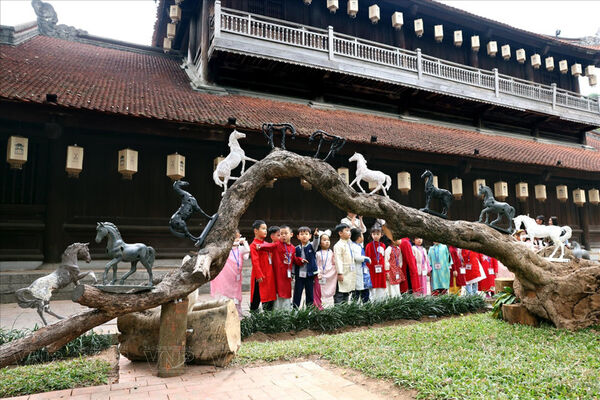
Hanoi is estimated to welcome about 1.34 million travellers during the nine-day Lunar New Year (Tet) holiday from February 14–22. (Photo: VNA)

Hanoi (VNA) – Hanoi is estimated to welcome about 1.34 million travellers during the nine-day Lunar New Year (Tet) holiday from February 14–22, up 36.3% year-on-year, according to the municipal Department of Tourism.

The department reported that the capital city served 217,000 foreign tourists and 1.13 million domestic travellers during this period, representing year-on-year increases of 55% and 33.2%, respectively, while total tourism revenue reached 4.87 trillion VND (over 187.5 million USD), up 40.2%.

This strong growth underscores Hanoi’s robust tourism appeal from the start of the new year. The structure of international source markets continued to expand, with key markets, including China, the Republic of Korea (RoK), India, France, the UK, the US, Germany and the Philippines.

The average room occupancy rate for hotels and serviced apartments reached about 66.8%, up 1.2 percentage points year on year, while the 4–5-star hotel segment recorded occupancy of over 72%. Many accommodation establishments reported strong early bookings and longer stays throughout the Tet holiday.
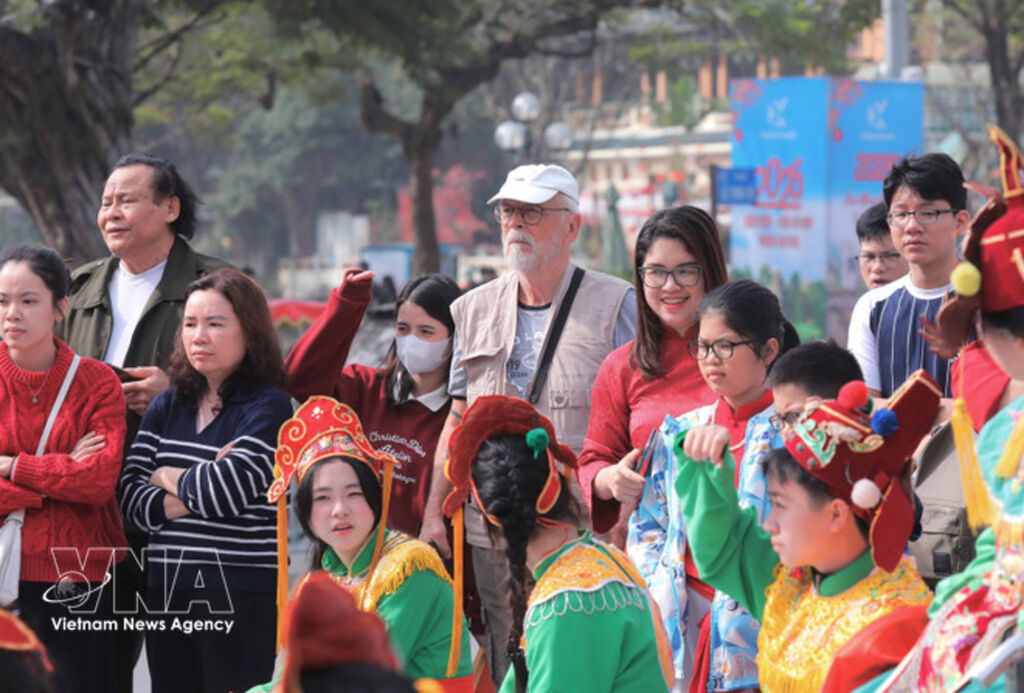
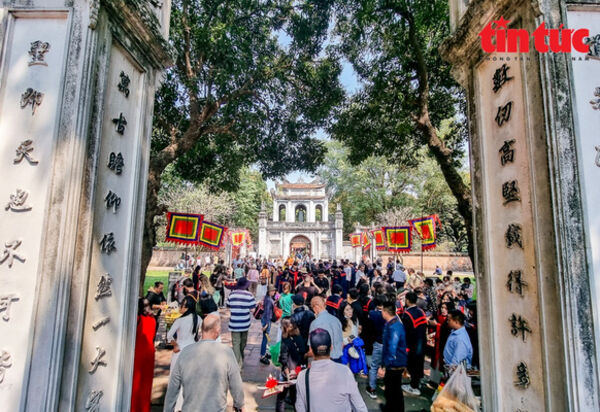
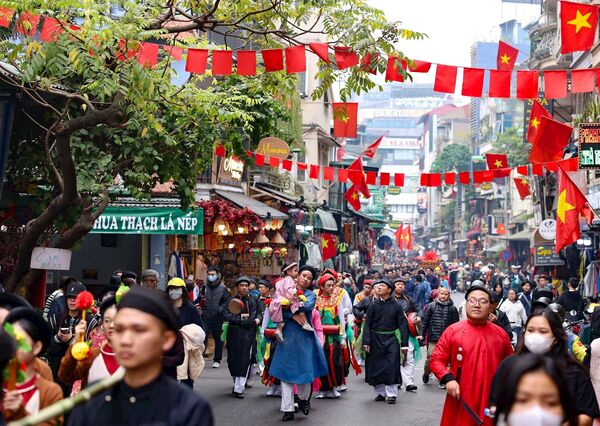
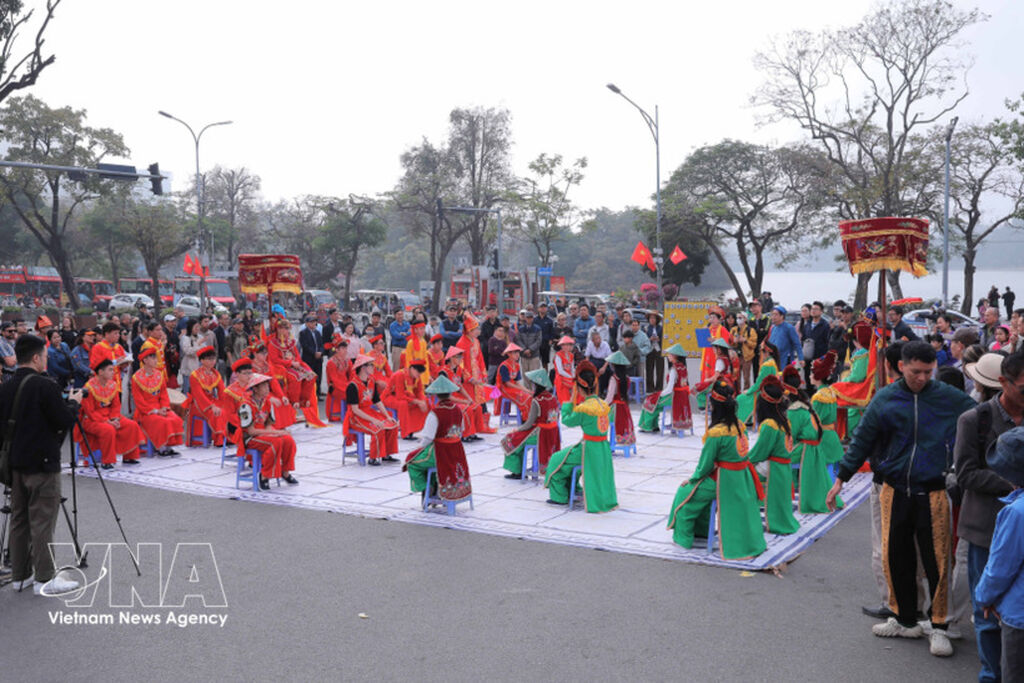
Visitors eagerly immerse themselves in the festival’s vibrant atmosphere in Hanoi (Photo: VNA)

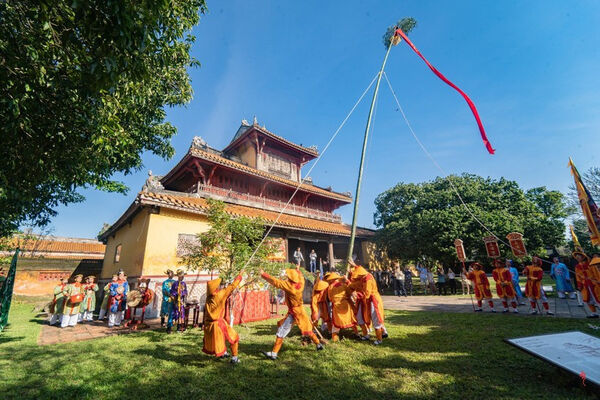
A key highlight of Hanoi’s tourism during this year’s Tet holiday was the stronger focus on cultural experiences, interactivity of products at tourist sites. A series of heritage sites and cultural spaces hosted activities rich in traditional Tet atmosphere, combining folk art performances with introductions to craft villages and intangible cultural heritage.

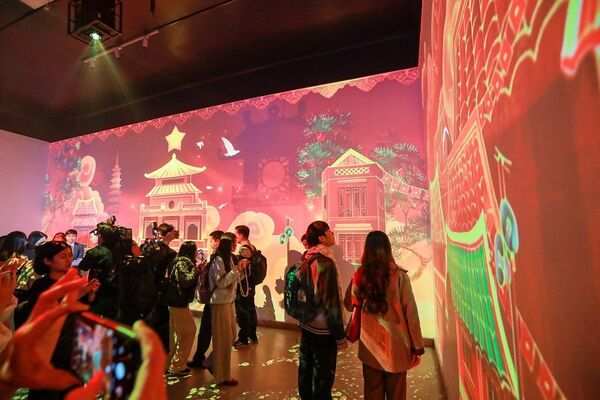
A range of new tourism products integrating modern technology were also introduced, adding distinctive appeal. Notable examples include the “Ky uc Cot Co” tour featuring 3D mapping performances at the Thang Long Imperial Citadel; a “digital historical site and festival space” model piloted at the Co Loa Festival; and the rollout of e-ticketing, QR code control and AI-powered cameras at the Huong Pagoda Festival.

In addition, night-time urban tourism products, night cycling tours and cultural experience tours themed continued to attract visitors, helping extend their stays and boost spending.

Visitor numbers surged at key attractions during the period from February 14–20. The Van Mieu (Temple of Literature) – Quoc Tu Giam (Vietnam's first university) welcomed nearly 120,000 visitors, followed by the Huong Pagoda with more than 76,600, the Thang Long Imperial Citadel with over 49,000, and the Co Loa Citadel with more than 38,800.

In addition, free admission at 17 heritage sites facilitated greater access for residents and tourists to visit and experience the capital’s cultural spaces.

To achieve these results, direction and management were implemented early and in a coordinated manner. the municipal Department of Tourism issued a series of directives to improve service quality at key tourist sites, particularly special national relics; strengthen the management and organisation of festivals in connection with tourism development; and step up tourism promotion during the Tet holiday.

Accommodation facilities, shopping centres and qualified food and beverage establishments proactively prepared infrastructure and manpower, decorated spaces with Tet themes, and organised cultural experience activities such as rural-style markets, food fairs and traditional art performances. Many hotels rolled out promotional packages, including complimentary room upgrades combined with cultural experiences, to attract longer-staying guests.

The impressive growth recorded during the Tet holiday provides an important foundation for Hanoi’s tourism sector to sustain its growth momentum in 2026, move toward sustainable development, and enhance the capital’s position on the regional and international tourism map./.
Related News

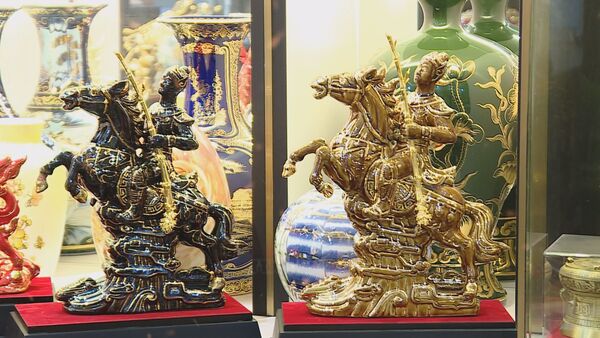
Bat Trang traditional art features Vietnamese spirit (Tet)

Bat Trang traditional pottery village in Hanoi is entering a new season of creativity. From earth and fire, shaped by the skilful hands of artisans, symbolic creatures embodying the beliefs and aspirations of the Vietnamese people gradually come to life. Among them is a collection of sacred ceramic horse figures, carrying the spirit of the Year of the Horse.

Hanoi offers free parking, public transport during Lunar New Year

During Tet, Hanoi offers free parking at selected schools and locations surrounding central heritage sites. In addition, single-journey fares are waived on the Cat Linh–Ha Dong and Nhon–Hanoi Station metro lines, while subsidised public bus services across the city are operating free of charge during the holiday period.

See Also

Con Dao emerges as bright spot on global tourism map

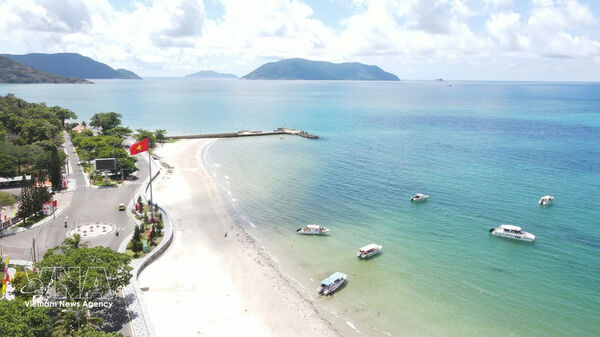
Prestigious fashion magazine Vogue has officially listed Con Dao Island, part of the great Ho Chi Minh City metropolitan area, among the world’s most ideal honeymoon destinations for 2026, underscoring the strong potential of the island district in capturing the high-end resort market.

Green moss transforms Co Thach beach in Vietnam's Central Highland

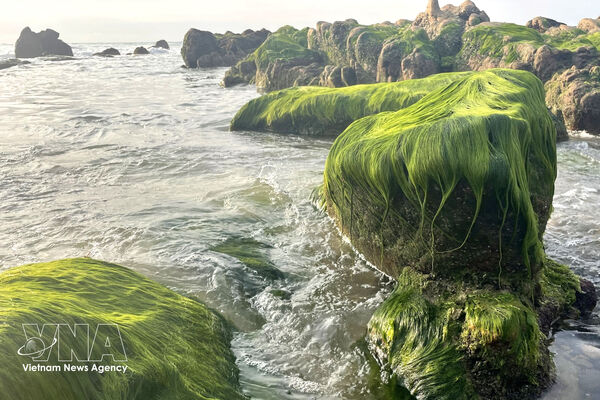
During these days, moss has flourished across the rocky outcrops of Co Thach – Binh Thanh beach in Lien Huong commune, the Central Highland province of Lam Dong, creating a lush green expanse along the coastline. Ba Khom rock bank appears to be adorned in a soft, velvet-like emerald coat, attracting a multitude of locals and tourists alike for sightseeing and photography.

Flavours of three regional Tet feasts in contemporary life

Each dish embodies not only taste but also memories and cultural values nurtured over generations. Sustaining this heritage ensures that Vietnamese cuisine is not eroded by time, but continues to be cherished, renewed and shared with care and respect.

GOOD FORTUNE, PEACE AND CULTURAL EXPERIENCES WITHIN SPRING JOURNEYS

In recent years, alongside the tradition of family reunions during the Lunar New Year (Tet), travelling during the holiday has become increasingly popular. Early spring travel is not merely about sightseeing; it also carries the meaning of seeking good fortune, peace and cultural experiences across different regions of the country.

Seasonal flower sightseeing becomes travel trend

In recent years, seasonal flower tourism has flourished in Vietnam’s northern mountainous provinces. Beyond being a fleeting trend, flower-sightseeing is evolving into a signature tourism product, opening up numerous development opportunities for various localities.

Bat Trang traditional art features Vietnamese spirit (Tet)

Bat Trang traditional pottery village in Hanoi is entering a new season of creativity. From earth and fire, shaped by the skilful hands of artisans, symbolic creatures embodying the beliefs and aspirations of the Vietnamese people gradually come to life. Among them is a collection of sacred ceramic horse figures, carrying the spirit of the Year of the Horse.

Dan Kinh Thien - Thung Ui in Ninh Binh: A millennium-old ceremonial landmark

Located in Western Hoa Lu Ward, Dan Kinh Thien – Thung Ui is historically recognised as a ceremonial site where kings of Vietnam’s feudal dynasties performed heaven-worshipping rites, one of the highest rituals in the court ceremonial tradition. The site was recently introduced to travel firms through a familiarisation programme organised by the Ninh Binh provincial Department of Tourism in coordination with Xuan Truong Construction Enterprise.

Exploring hidden Tet experiences across Vietnam

While fireworks and countdown celebrations light up much of the country, New Year’s Eve on Con Dao is markedly subdued. At midnight, the island becomes an “island of candles” as locals gather at Hang Duong Cemetery to pay tribute to national heroes.