 |
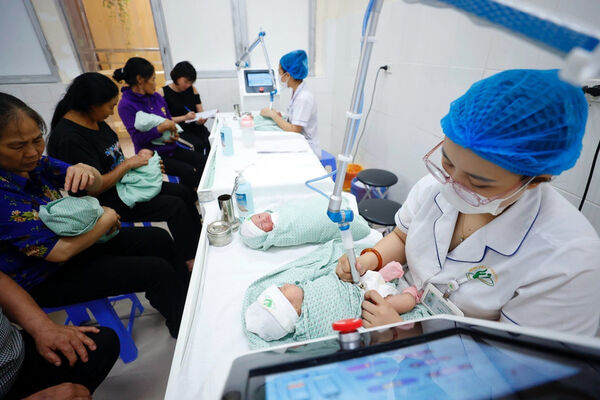
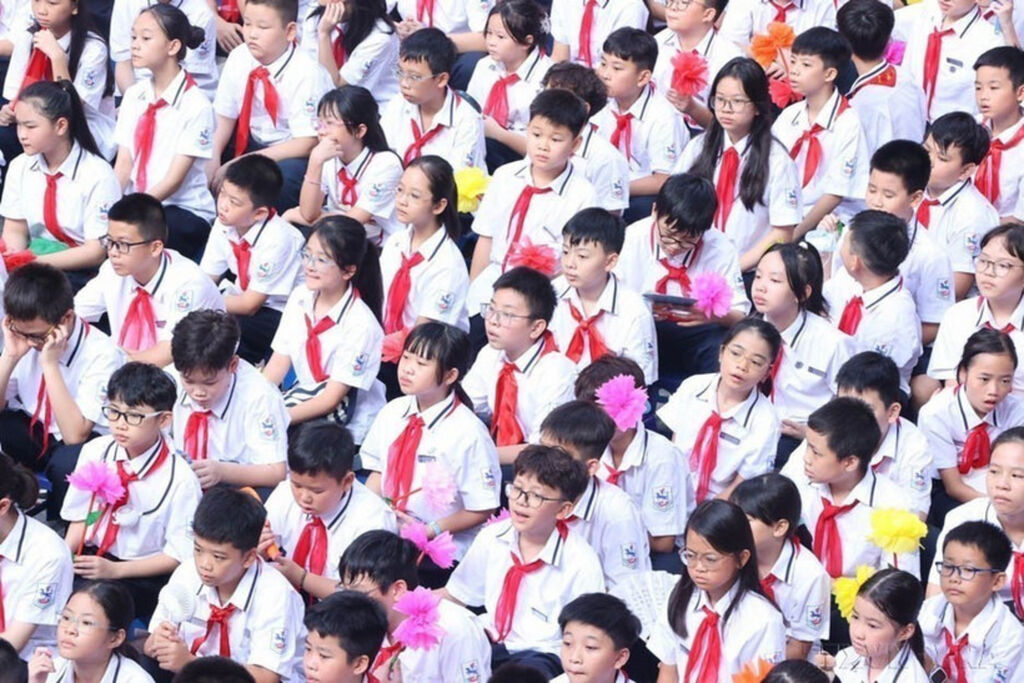
| Hanoi's sex ratio at birth stands at around 110 boys per 100 girls in 2025. (Photo: VNA) |
Hanoi (VNA) - Controlling the sex ratio at birth has been identified as a priority task in Hanoi’s population strategy, given that addressing sex imbalance remains a major demographic challenge for many localities across Vietnam, including the capital city.
Through a combination of consistent, long-term and innovative measures, the city has been gradually reducing the gap, aiming to restore a natural balance, ensure social stability and foster sustainable development in the years ahead.
Despite strong socio-economic development and improved public awareness, traditional gender bias still persists in some families, placing pressure particularly on women to bear sons. Surveys at several health facilities show that some couples still quietly attempt to influence the sex of their child through both folk beliefs and unregulated medical services, especially among households that already have two daughters. This has contributed to continued sex imbalance at birth, distorting population structure and potentially leading to long-term socio-economic risks.
Experts warn that without effective control, Vietnam could soon face a surplus of males of marriageable age, resulting in increased social problems such as trafficking, crime, instability in family life and long-term demographic challenges.
However, changing social perceptions has brought positive signs. Many families now recognise that whether a child is a boy or a girl, they are equally precious. For them, happiness lies not in perpetuating a family line, but in raising healthy, well-educated and compassionate children who contribute positively to society.
Alongside changing mindsets, the capital has implemented a wide range of coordinated solutions to address sex imbalance at birth. Communication campaigns have been intensified at the grassroots level, targeting residential communities, youth, couples preparing for marriage and women of reproductive age. Messages on the consequences of sex imbalance are integrated into health campaigns and family planning programmes, while community-based outreach continues to raise awareness of gender equality and the value of daughters.
The city has also launched effective intervention models, including premarital health counselling, reproductive health care for adolescents and youth, and expanded screening programmes. As a result, its sex ratio at birth has fallen from 117.6 boys per 100 girls in 2008 to 113 in 2018 and around 110 boys per 100 girls in 2025. Although progress has been made, the figure remains higher than the natural level, requiring continued and determined efforts.
From 2026 to 2030, Hanoi has set a clear roadmap to gradually return the sex ratio at birth to a natural balance. It aims to curb increases, reduce the rate by an average of 0.2 percentage points annually and ensure that by 2030 the figure does not exceed 109 boys per 100 girls. Many localities in the city have already recorded encouraging progress thanks to proactive communication, health screening and strengthened monitoring of illegal sex selection practices.
Local communities such as Phuc Thinh commune and Cua Nam ward have intensified awareness-raising activities, strengthened reproductive health services and enhanced public engagement. Medical workers and population officials continue to promote steady, community-based advocacy, helping eliminate gender prejudice and discourage sex-selective behaviour. Efforts also focus on improving population quality through premarital counselling, prenatal and newborn screening, and ensuring gender-sensitive support for families.
Looking ahead, Hanoi will continue to prioritise policies that promote gender equality, protect legitimate reproductive rights, prevent sex-selective practices and improve demographic balance. Achieving a natural sex ratio requires persistence, political commitment and cooperation from the entire community. With comprehensive measures, stronger public awareness and the active participation of authorities at all levels, Hanoi is determined to restore population balance, enhance social equity and build a more inclusive, sustainable and humane capital city./.