Hanoi to put 31 more electric buses into operation
As of the end of October 2026, the Hanoi Transport Corporation had put 375 electric buses into operation across 24 routes. Of these, 281 were deployed on 17 routes in the first six months of the year, while another 94 were introduced on seven routes in October.
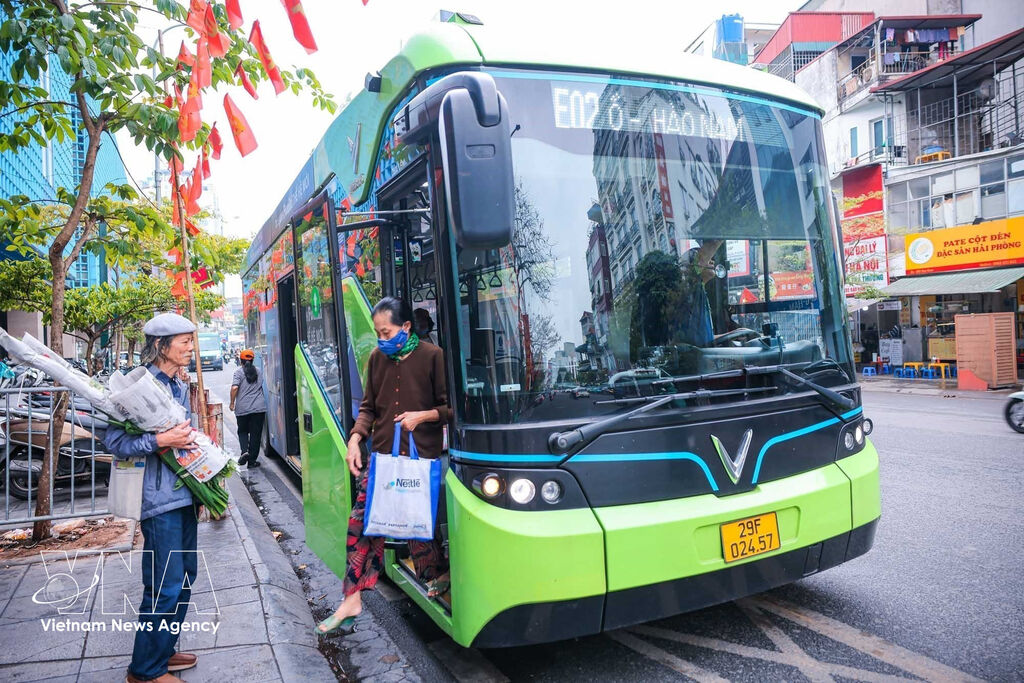
Passengers board an electric bus on Cau Giay street, Hanoi (Photo: VNA)

Hanoi (VNA) – The Hanoi Transport Corporation (Transerco) announced on November 7 that it will replace all diesel-powered vehicles with 31 electric buses on three routes.

They are No. 03B (Nuoc Ngam Bus Station – Giang Bien, Long Bien), No. 28 (Nuoc Ngam Bus Station – Dong Ngac – Hanoi University of Mining and Geology), and No. 100 (Long Bien – Dang Xa, Gia Lam).

Alongside the vehicle conversion, Transerco will adjust the operating schedule of route No. 100 to suit the operational characteristics of electric buses while better meeting passengers' travel needs.

The new buses have a capacity of 60 passengers each, featuring a distinctive green colour and a uniform design in line with the Hanoibus brand identity. Their exteriors feature images of a dove, symbolising peace, and Khue Van Cac (the Pavilion of Constellation), located at the Temple of Literature, a symbol of Hanoi. The modern and consistent appearance is expected to help promote an image of a civilised, environmentally friendly public transport system in the capital, in line with its green transport development orientation.

In addition to their distinctive design, the buses are equipped with low floors, facilities for people with disabilities and various modern amenities, making public transport more accessible and convenient for passengers while gradually improving service quality on the routes.

According to Transerco, the deployment of 31 electric buses to replace all diesel-powered vehicles on routes No. 03B, 28 and 100 marks another step in the corporation's roadmap for modernising its fleet, reducing emissions and promoting environmentally friendly transport.

Earlier, starting November 1, all diesel-powered buses on route No. 40 (Thong Nhat Park – Van Lam, Hung Yen province) were replaced with electric vehicles. A total of 15 VinFast EB8 electric buses, manufactured in 2026 and each with a capacity of 60 passengers, were put into operation to replace the entire diesel-powered fleet on the route.

Transerco also reported that as of the end of October 2026, it had put 375 electric buses into operation across 24 routes. Of these, 281 were deployed on 17 routes in the first six months of the year, while another 94 were introduced on seven routes in October.

The corporation aims to raise the proportion of environmentally friendly vehicles in its fleet to more than 51% by the end of 2026, exceeding the target set by the municipal authorities. The move is expected to contribute to developing the capital's public passenger transport system in a modern, civilised and sustainable manner./.
See Also

Vietnam sets key economic targets for 2027 (Part 1)

General Secretary of the Communist Party of Vietnam Central Committee and State President To Lam, on behalf of the Party Central Committee, signed Conclusion No. 106-KL/TW, dated October 15, 2026, of the fourth meeting of the 14th Party Central Committee on socio-economic development, state budget implementation in 2026 and plans for 2027. The conclusion sets out proposed economic targets for 2027, including GDP growth of at least 10%.

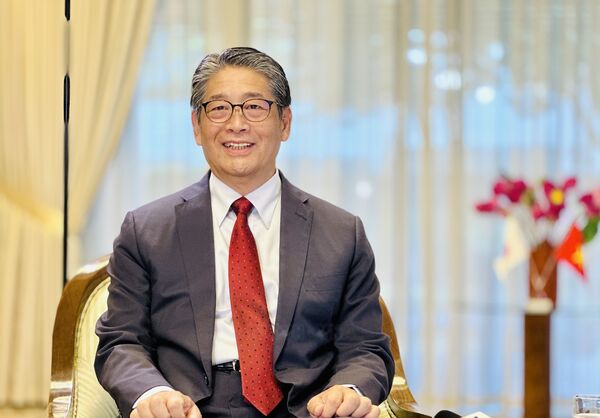
Japan attaches great importance to top Vietnamese leader’s visit: Ambassador

General Secretary of the Communist Party of Vietnam Central Committee and President of To Lam accompanied by his spouse and a high-level Vietnamese delegation, will pay an official visit to Japan from November 8 to 11. Ahead of the visit, the Vietnam News Agency interviewed Japanese Ambassador to Vietnam Ito Naoki about the visit’s significance and expected outcomes.

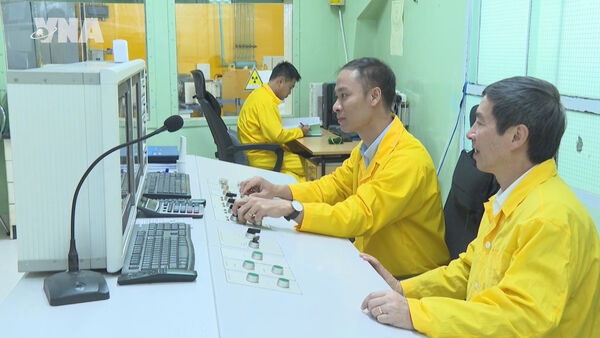
Nuclear technology offers new prospects for Dong Nai's development

As a major industrial hub, Dong Nai city has considerable potential to harness nuclear technology to improve production quality and drive scientific and technological development. Nuclear applications are already widespread in industry, healthcare, agriculture and environmental protection.

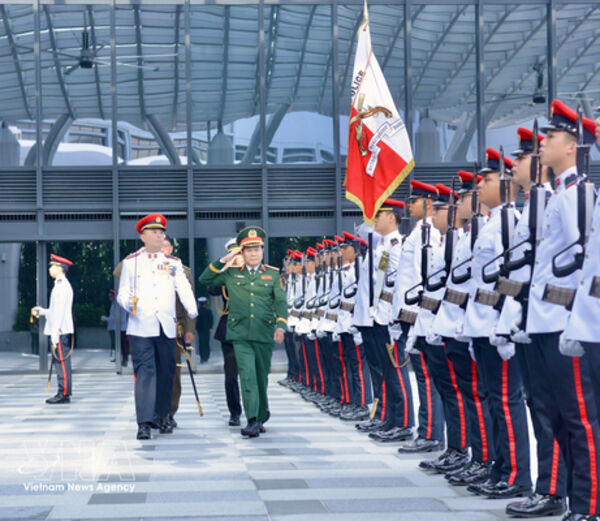
Vietnam, Singapore enhance defence cooperation

Highlighting the positive development of relations between the two countries and their militaries, General Nguyen Tan Cuong, Member of the Central Military Commission’s Standing Board, Chief of the VPA General Staff and Deputy Minister of National Defence, noted that Vietnam and Singapore share strategic interests and considerable potential for cooperation, as well as a common commitment to peace, stability and prosperity.

Vietnam sets environment and climate change adaptation targets for 2027

General Secretary of the Communist Party of Vietnam Central Committee and State President To Lam, on behalf of the Party Central Committee, signed Conclusion No. 106-KL/TW, dated October 15, 2026, of the fourth meeting of the 14th Party Central Committee on socio-economic development, state budget implementation in 2026 and plans for 2027. The conclusion sets out key environmental and climate change adaptation targets for 2027, including wastewater treatment, green production, energy efficiency, waste management and forest coverage.

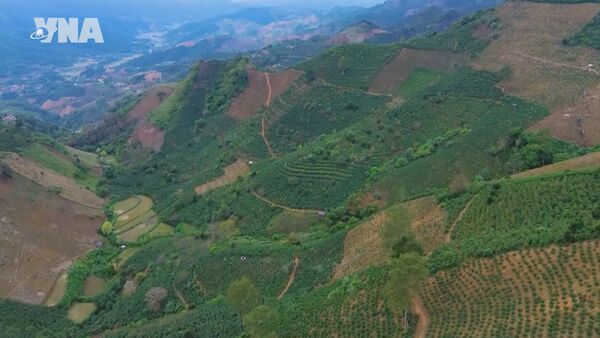
Dien Bien turns local strengths into drivers of green growth

From expanding agricultural production and diversifying tourism products to attracting new investment, the northern mountainous province of Dien Bien is making effective use of its local strengths to generate fresh momentum for economic development. The province is pursuing a green, smart and sustainable growth model to improve people's living standards and build a more dynamic economy.

Vietnam outlines socio-economic objectives, tasks and solutions for 2027

General Secretary of the Communist Party of Vietnam Central Committee and State President To Lam, on behalf of the Party Central Committee, signed Conclusion No. 106-KL/TW, dated October 15, 2026, of the fourth meeting of the 14th Party Central Committee on socio-economic development, state budget implementation in 2026 and plans for 2027. The conclusion outlines key objectives and tasks for 2027, including achieving economic growth of at least 10%, maintaining macroeconomic stability, accelerating decentralisation and administrative reforms, and stepping up efforts to combat corruption and wastefulness.