 |
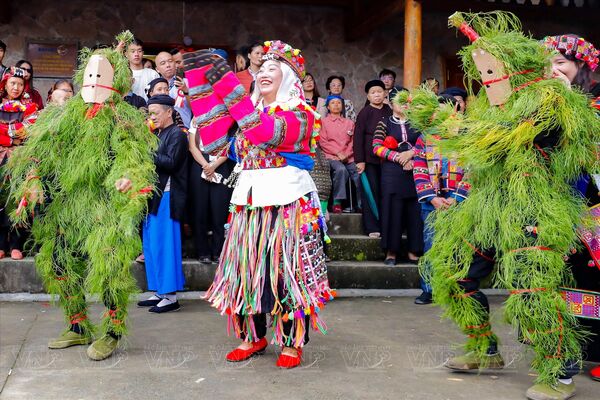
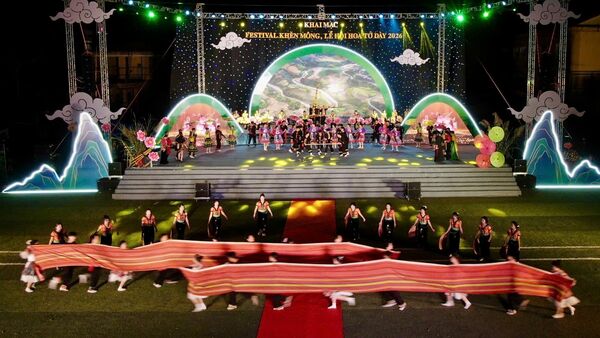
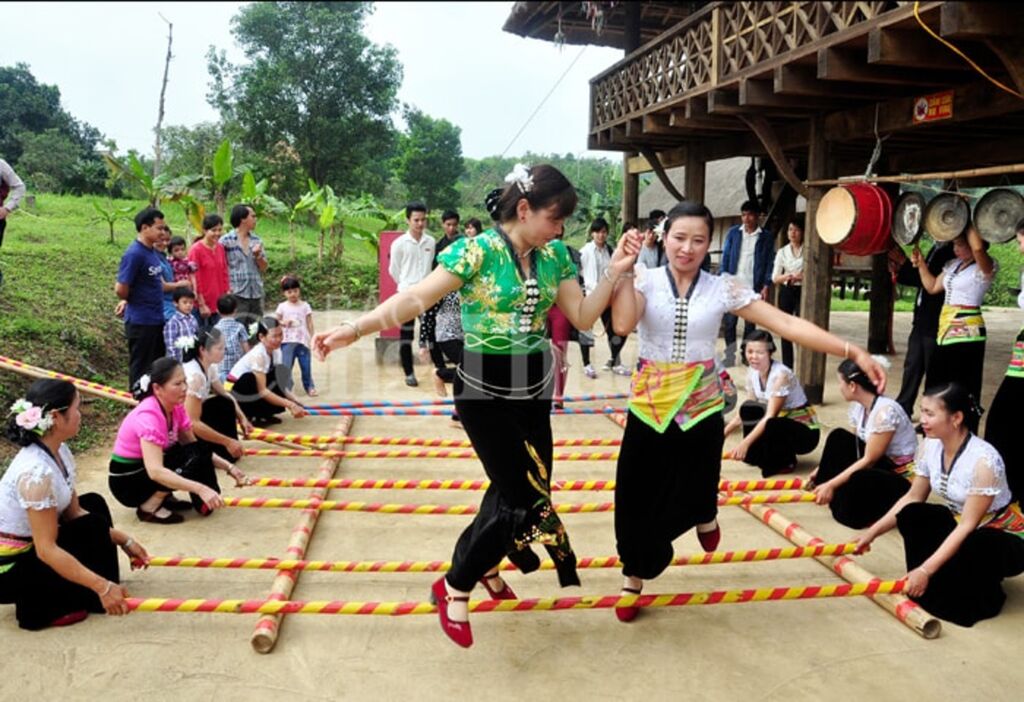
| A dancing performance at the village (Photo: VNA) |
Hanoi (VNA) – The Vietnam National Village for Ethnic Culture and Tourism in suburban Hanoi is staging a series of activities recreating the vibrant spring atmosphere, featuring traditional rituals, festivals, and customs of ethnic communities from January 5 to 31.
The events aim to celebrate Vietnam’s diverse cultural identities, contribute to upholding traditional values, and foster exchange, solidarity, and mutual support among ethnic groups.
The centrepiece, dubbed “Village Tet”, will draw over 100 participants from 16 ethnic groups, including Nung, Tay, Dao, Mong, Muong, Lao, Thai, Kho Mu, Ta Oi, Co Tu, Ba Na, Xo Dang, Gia Rai, Raglai, E De, and Khmer, representing 11 provinces and cities. A delegation of around 30 Thai ethnic members from Thanh Hoa province will take part in dedicated activities on January 24–25, showcasing unique local cultural traits.
A key attraction is the “Tet Comes to the Village” event in the Thai ethnic village, where Thai participants from Thanh Hoa join northern ethnic communities in folk songs, performances, and rituals, fostering a warm setting for Lunar New Year (Tet) celebrations while reinforcing unity and commitment to cultural preservation.
Another highlight is the reenactment of the Cha Mun Festival of Thanh Hoa’s black Thai community, a signature folk belief event. The rituals, inviting Po Then deities, honouring shaman souls, recalling wandering spirits to cure illness, welcoming guests, and staging folk games, offer vivid insight into the group’s life philosophy, spiritual beliefs, and humanistic values.
Visitors can explore Tet traditions and join in preparing black sticky rice cakes, a distinctive specialty of Thanh Hoa’s Thai people. Made from aromatic black glutinous rice filled with mung beans and pork, wrapped in dong leaves, the dish symbolises wishes for bountiful harvests and a prosperous, fulfilling year.
From January 19 to 31, the ethnic villages opening daily will be festively decorated for Tet. Traditional houses will feature carefully arranged ancestral altars alongside portraits of President Ho Chi Minh and national flags, while village gates, pathways, and folk-game zones will be brightly adorned, providing colourful backdrops for photos and immersive spring experiences.
On January 24 evening, the annual “Reunion Meal” gathering will bring together ethnic representatives who have lived and worked at the village over the past year. Participants will share cultural performances, bonfires, traditional dances, and music while exchanging wishes for a peaceful and joyful Lunar New Year.
Organisers said the village will host various spring festivals throughout January, particularly on weekends, including folk songs and dances from Central Highlands groups, reenactments of the Muong kitchen spirit worship ritual, and northern ethnic communities’ “Return to the Village to Welcome Spring” activities.
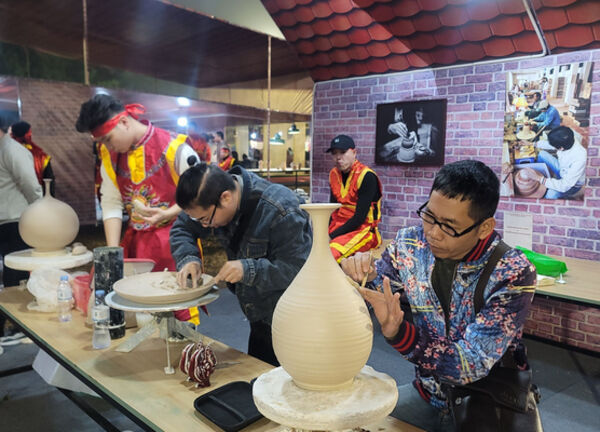
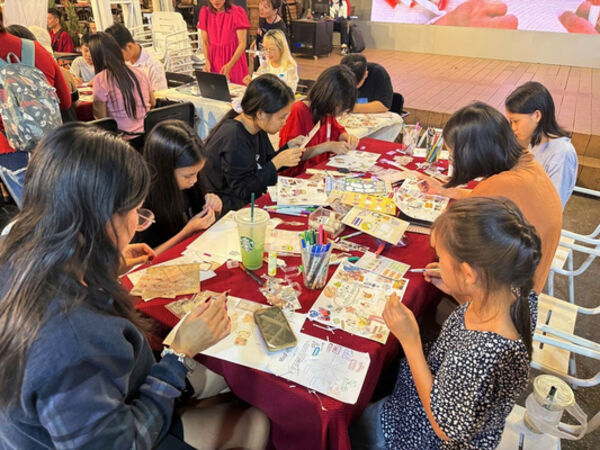
Visitors can also engage in hands-on experiences such as xoe and bamboo pole dancing, Then singing, gong performances, making banh chung, playing traditional games, tasting ethnic dishes, and learning handicrafts, weaving, and traditional instrument crafting./.