 |
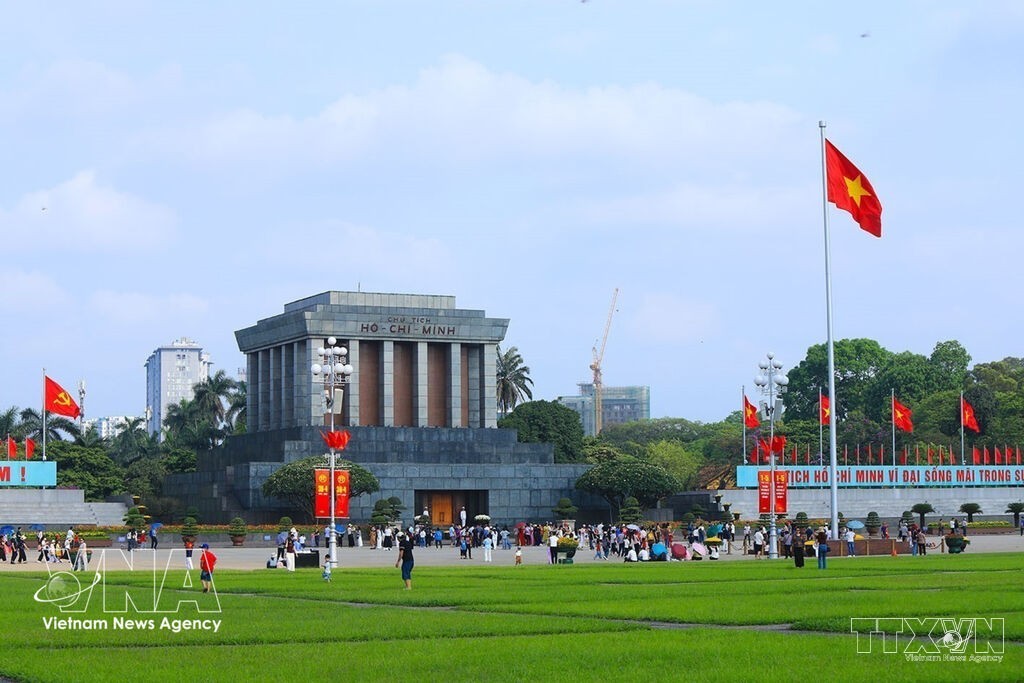
| President Ho Chi Minh's Mausoleum attracts a large number of visitors (Photo: VNA) |
Hanoi (VNA) - Eighty-one years after the Autumn of 1945, Vietnam has travelled a long way, emerging with ever greater stature and strength. Pride in the journey made deepens the Vietnamese people’s sense of responsibility before new opportunities. If the August Revolution ushered in an era of independence, the spirit of that historic autumn now inspires the nation to unlock all resources, harness the people's strength, and realise its development aspirations and centennial goals.
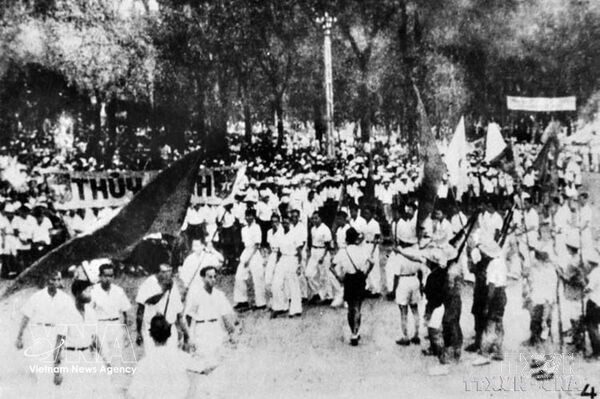
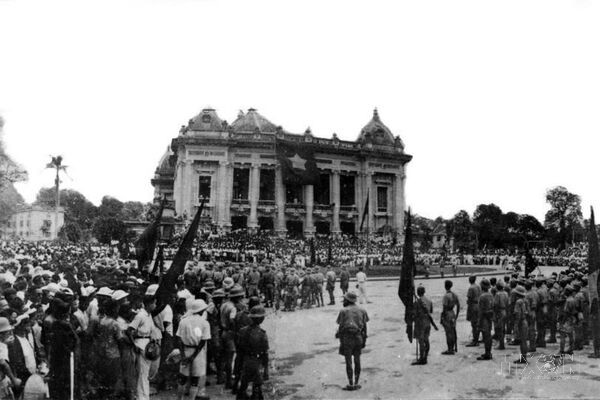
In the autumn of 1945, as the country was engulfed in hunger, oppression and war, the Party and President Ho Chi Minh seized the right moment and mobilised the strength of the entire nation to launch the August General Uprising. On September 2, 1945, the Democratic Republic of Vietnam was established, marking a historic turning point that ushered in a new era - the era of national independence associated with socialism. The Vietnamese people rose from the status of slaves to become masters of their own country, determining their own destiny and future.
Immediately after September 2, the newly won independence faced life-or-death challenges. The revolutionary government was still in its infancy, state coffers were empty, while famine, illiteracy and threats from both within and outside the country converged. Yet the Party, Government and President Ho Chi Minh relied on the people and mobilised their strength to fight hunger and illiteracy while safeguarding the revolutionary government.
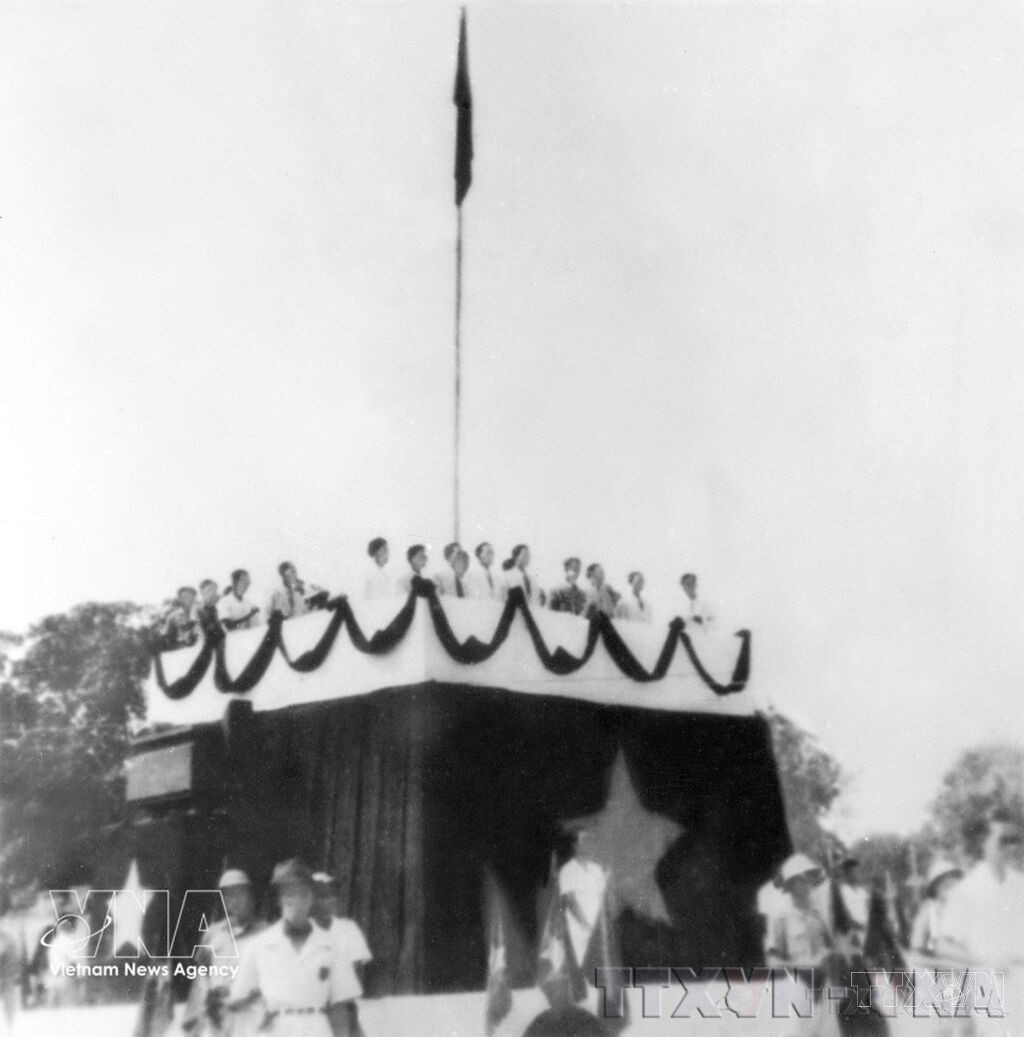 |
| On September 2, 1945, the Democratic Republic of Vietnam was established, marking a historic turning point that ushered in a new era - the era of national independence associated with socialism (Photo: VNA) |
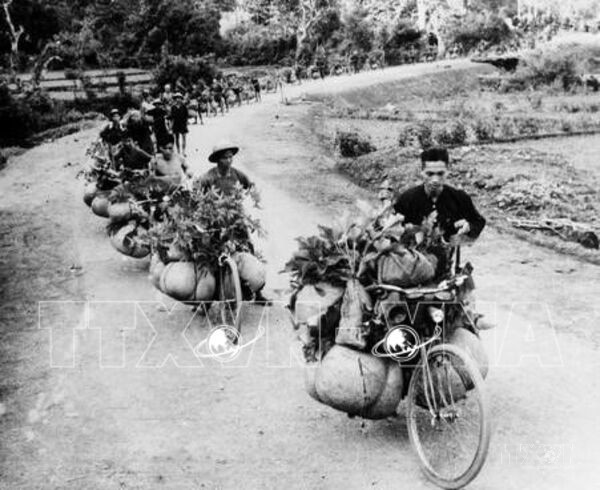
When the French colonialists returned to invade the country, the nationwide resistance began in 1946. Nearly three decades of protracted struggle followed, with enormous sacrifices and losses, as the nation fought to preserve independence and reunify the country, etching glorious milestones in history, including the Dien Bien Phu Victory in 1954 and the Great Spring Victory in 1975.
Following reunification, Vietnam entered another challenging period of overcoming the consequences of war, defending the Fatherland and improving people's lives amid a poor, underdeveloped economy and a turbulent international environment. Once again, the country overcame formidable difficulties by choosing its own development path. The Doi Moi (Renewal) process launched by the Party in 1986 marked a major shift in development thinking, gradually helping Vietnam overcome its crisis, open up and integrate into the world economy.
Today, Vietnam has emerged as one of the world's and region's most dynamic economies. In 2025, international organisations continued to regard Vietnam as one of Asia's growth bright spots. During her visit to Vietnam in May 2026, Japanese Prime Minister Takaichi Sanae likened the country to a “rising dragon”, praising its impressive pace of growth.
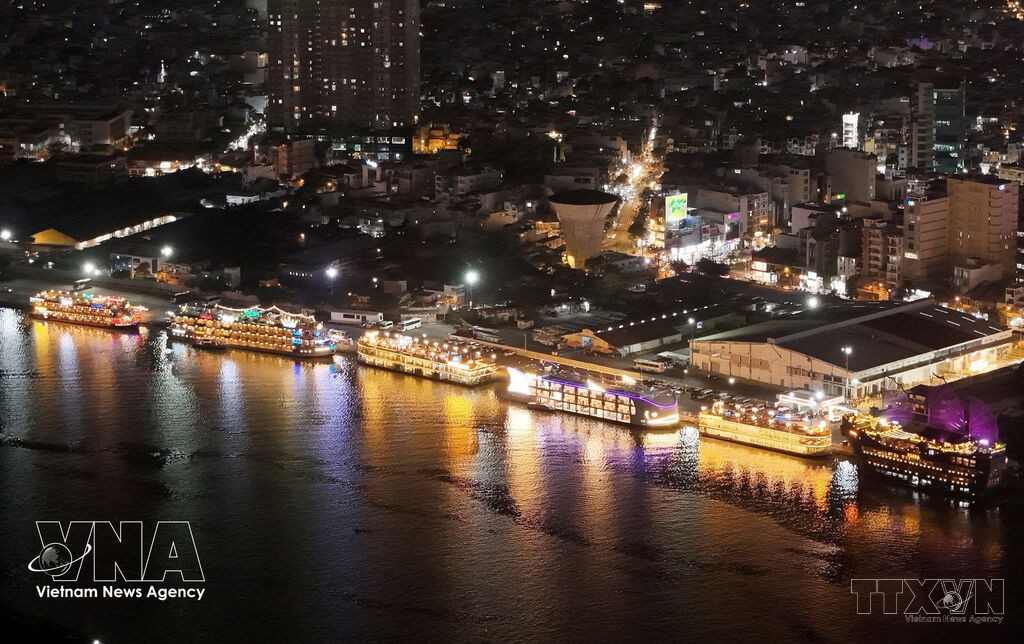 |
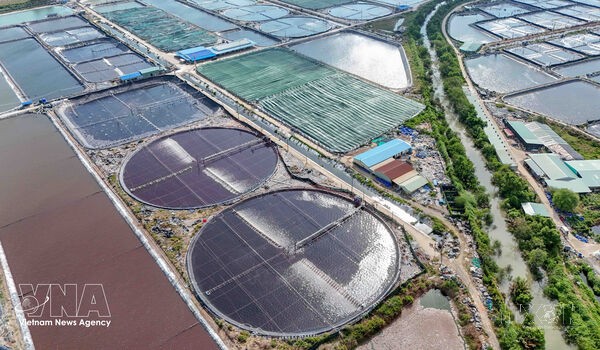
| A view of a Ho Chi Minh City's corner (Photo: VNA) |
Behind such assessments are the labour, intellect and sacrifices of generations; roads, bridges, seaports, airports, factories and schools built across the country; millions lifted out of poverty; and steadily improving living standards. Vietnam's economy is undergoing profound transformation, increasingly driven by science, technology, innovation and international integration. The country is also becoming more deeply integrated globally, expanding its partnerships and assuming greater responsibility within the international community.
Yet the greater the achievements, the higher the demands ahead.
Labour productivity remains low, the risk of the middle-income trap persists, while climate change, population ageing, inequality and non-traditional security threats are becoming increasingly pronounced. The administrative apparatus remains cumbersome in some areas, the business environment is not yet sufficiently open, and the private sector has yet to tap its full potential. Bureaucracy, corruption, waste and misconduct among some officials and Party members remain challenges that must be addressed resolutely. Failure to do so will undermine public trust in the Party and State, hinder national development and threaten the survival of the political system.
Vietnam is now entering a new development era marked by major transformations. The streamlining of the state apparatus and implementation of a two-tier local administration model have fundamentally changed the organisation and operation of the system. The number of ministries and ministerial-level agencies has been reduced from 22 to 17, and Government agencies from eight to five, while the country now operates with 34 provincial-level administrative units and 3,321 commune-level units, ending the operation of 696 district-level units. The scale of the reform demonstrates a strong determination to renew the system. More importantly, however, the streamlined apparatus must operate more effectively, stay closer to the people and serve them better.
The 14th National Party Congress charted the course for the new stage of development. The second plenum of the 14th Party Central Committee provided a stronger foundation for organisational arrangements and operating principles, while the third plenum set out further strategic shifts in Party and political system building, the organisation of development spaces, the renewal of development model, national defence and sustainable growth. Implementation has been identified as a key bottleneck. Therefore, having the right policies is not enough; they must be translated into concrete actions, with clear accountability, deadlines, resources, and measurable results.
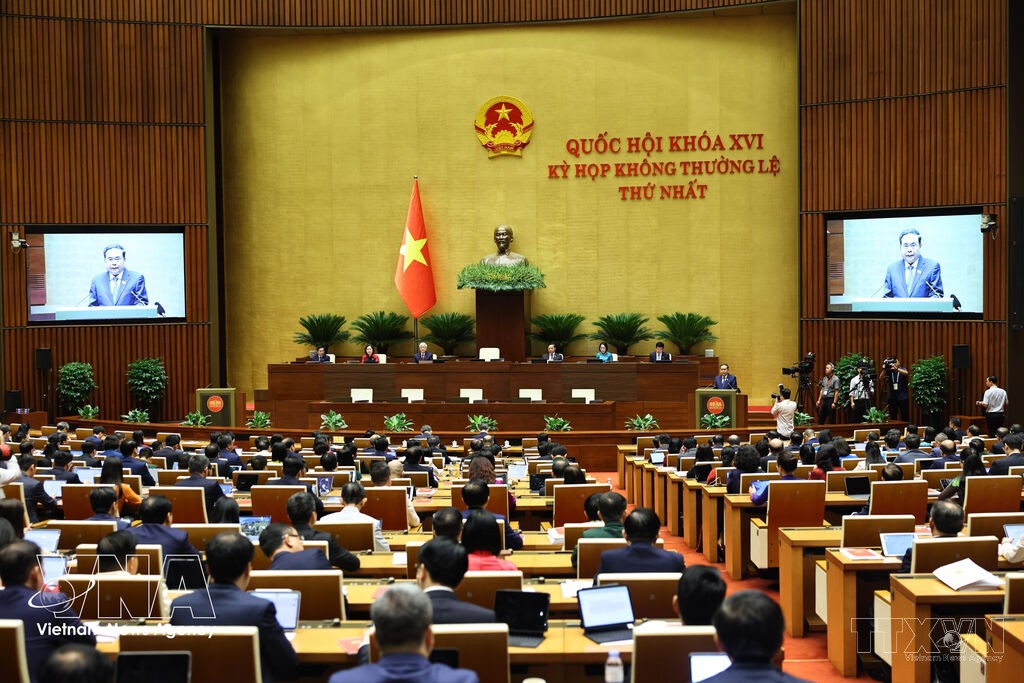 |
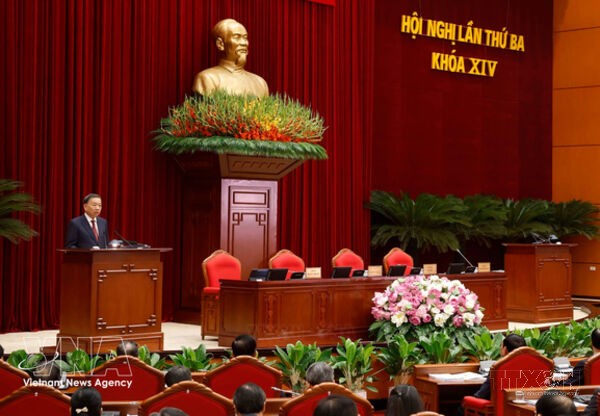
| An overview of the first extraordinary session of the 16th National Assembly (Photo: VNA) |
The election of deputies to the 16th National Assembly and People's Councils at all levels for the 2026–2031 term, involving nearly 79 million voters, opened a new tenure with the people's votes and confidence. At its first session, the 16th legislature consolidated the State apparatus and adopted nine laws and 31 important resolutions, setting out major development tasks for 2026–2030. The first extraordinary session of the 16th National Assembly, taking place this August, further demonstrates the urgent need to institutionalise major policies and decisions in response to practical demands.
These are concrete tasks for a country nurturing great ambitions. To achieve its 2030 targets and 2045 aspirations, Vietnam must pursue faster and more sustainable development, create a more open business environment and build a stronger private sector increasingly reliant on productivity, science, technology, innovation and creativity. Equally vital is maintaining discipline and order throughout the political system and resolutely combating corruption, wastefulness, misconduct and bureaucracy.
In the autumn of 1945, the Vietnamese people rose up to take control of their own destiny. In the autumn of 2026, the nation faces a new task: mastering technology, strengthening its development capacity and proactively shaping its future. Today, the country’s mission is to open the doors wider to development, move the country forward and join the ranks of major powers through its own strength. This is also the most practical way to carry forward the spirit of the historic autumn of 1945./.