Thanks to its strengths in manufacturing momentum, human capital, and income convergence, Vietnam is not just joining; it is helping shape ASEAN’s next growth cycle.
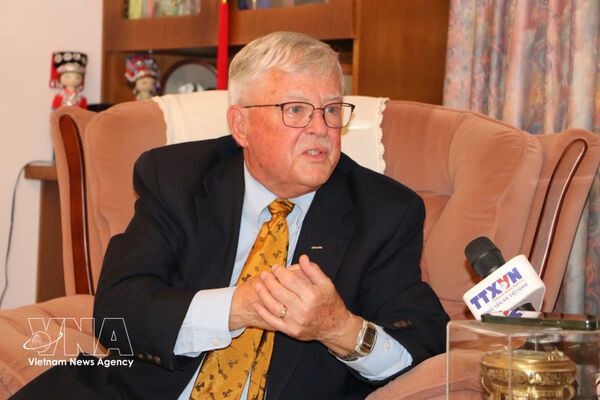
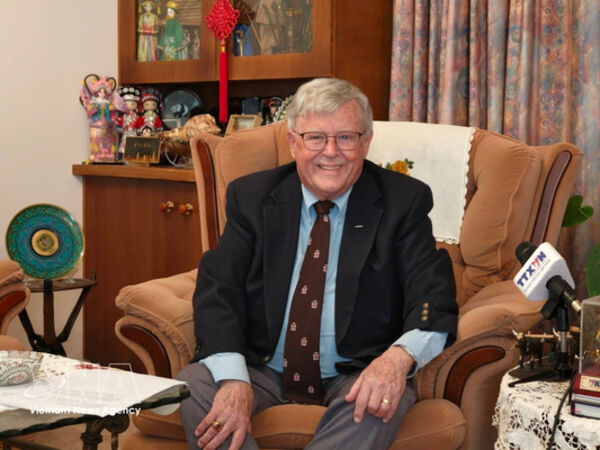
The former diplomat once said when leaving Hanoi in 2019 that: “Vietnam is not only a place where I worked, it became a part of my diplomatic life”. Today, in his message to the 14th National Party Congress, his enduring affection for Vietnam remains steadfast, a quiet thread connecting friends across half the globe in shared aspirations for peace, independence, and social justice.
R.Arun Kumar, Head of the Communist Party of India (Marxist) (CPI-M)’s committee for external affairs, highlighted the significance of the 14th National Part Congress of Vietnam and the country’s major development orientations in the new period.
“One of the most important developments has been the deepening of security, defence and maritime cooperation, which reflects our shared commitment to regional peace, stability and the rules-based international order,” the ambassador said.
The Communist Party of Vietnam must remain steadfast in its strategic objectives, while renewing thinking, enhancing forecasting and policy responsiveness, mobilising internal strengths, effectively combining national and global resources, and proactively pursuing deep and substantive international integration to seize opportunities, overcome challenges and achieve development goals in the period ahead.
Sustaining broad-based consultations and listening to views from all walks of life, particularly those directly creating value, will be key to Vietnam’s even greater success, said an official of Germany’s Left Party.
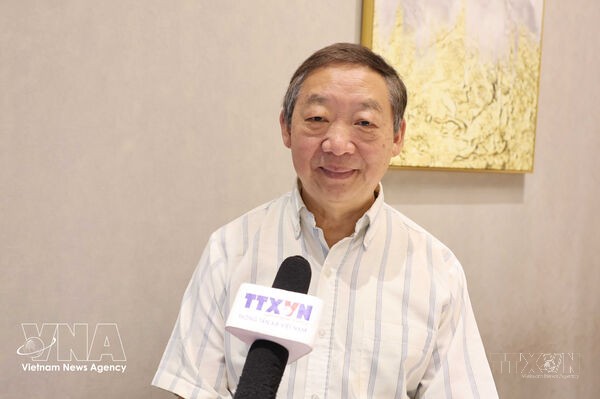
The attainments gained over 40 years of Doi moi come as the essence of the perseverance in independence, self-reliance, as well as the solidarity and creativity of the entire nation, said former Deputy Foreign Minister and former Vietnamese Ambassador to Cambodia Thach Du.
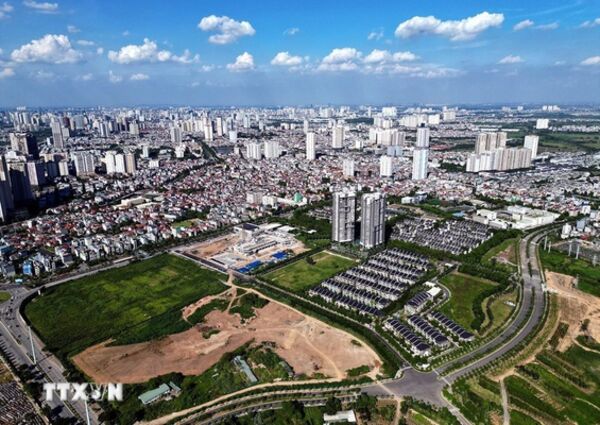
In the early years of renewal, Vietnam had fewer than 400 urban areas. Today, the figure has risen to more than 902 of various categories. The classification of cities has brought Vietnam’s urban system closer to international practice, while clearly defining the national and regional roles of major cities.
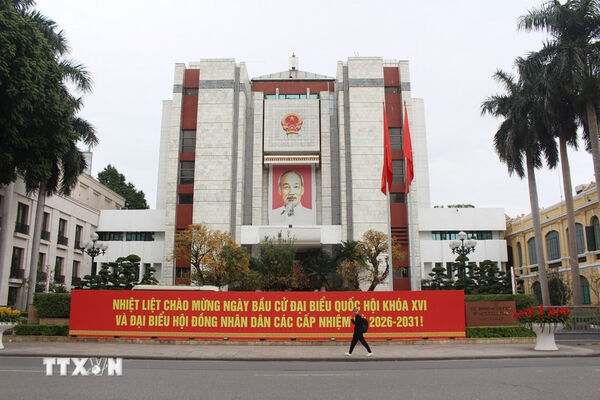
The 14th National Congress of the Communist Party of Vietnam (CPV) is not only an occasion to review the achievements already made, but also lay the foundation for the country’s strategic transformation in the new period.
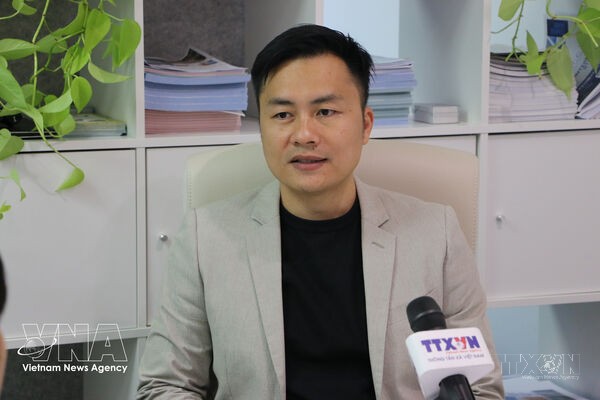
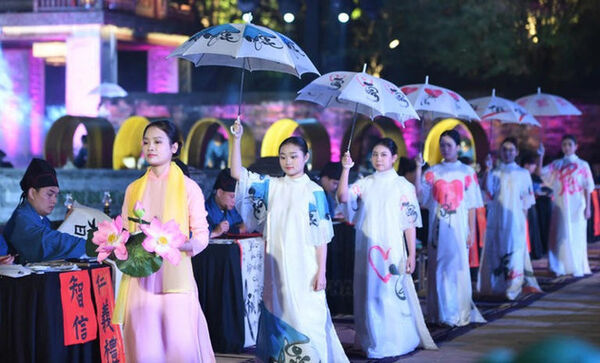
Ha noted that the upcoming congress is also expected to improve institutions and infrastructure for cultural industries, intellectual property and the creative economy sector. These fields are not only drivers of identity-based economic growth but also key tools for strengthening soft power and projecting the national image in an increasingly interconnected world.
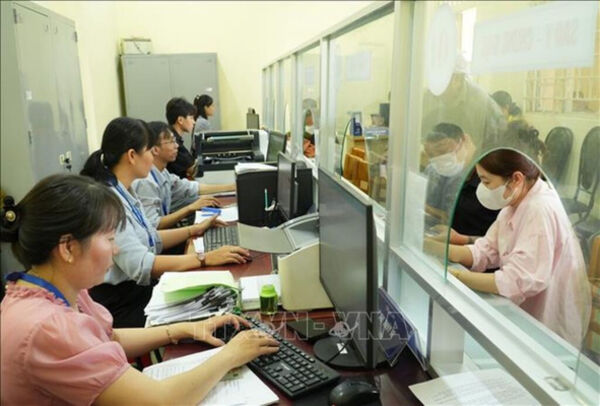
In 2025 and since the beginning of the current term, one of the most prominent bright spots in the leadership, direction and governance by the Government and the Prime Minister, as well as all-level authorities, sectors and localities, has been the strong focus on closely grasping situation developments, staying grounded in reality, and adopting proactive, timely, flexible and effective policy responses.
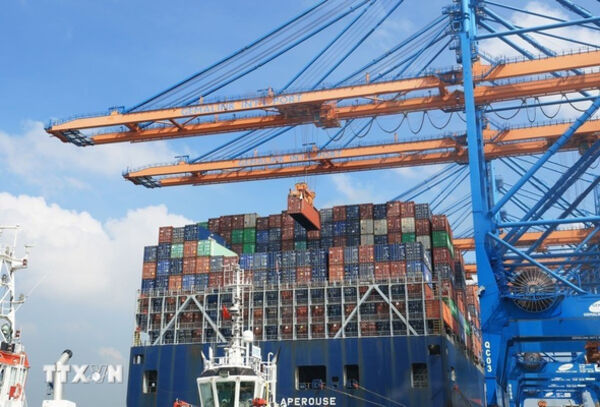
Clear strategies on sustainable and self-reliant development, coupled with continued investment in strategic infrastructure, especially digital, energy, and logistics, are expected to provide a solid foundation for Vietnam’s long-term advancement and deeper international integration by 2045.
In an interview granted to the Vietnam News Agency on the occasion of the New Year 2026, Ambassador Khamphao Ernthavanh highlighted the concept of “strategic cohesion” within the architecture of the great friendship, special solidarity, and comprehensive cooperation between the two countries
In 2025, the NA continued to strongly renew its thinking, asserting its role in consolidating institutions, removing “bottlenecks,” unleashing all resources, and promoting socio-economic development.
Amid a volatile world with crises, disruptions to global economic links, and increasingly fierce strategic competition among powerful countries, the CPV’s coming congress is an important milestone where Vietnam will shape its development orientation, enhance the will, and select the path of action for the new period, said Ambassador Jorge Luis Mayo Fernandez.
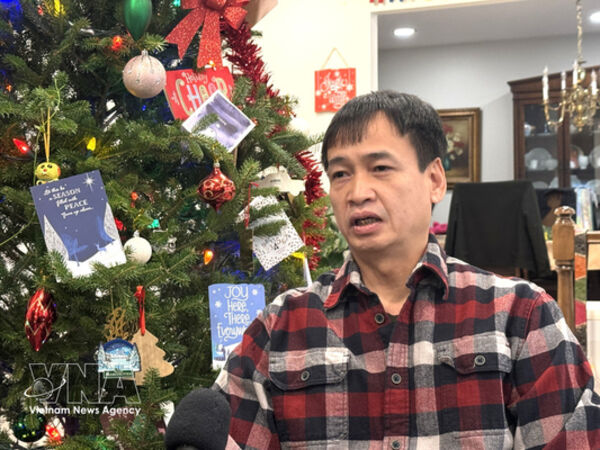
Aside from policies and resolutions, the creation of forums and channels through which OVs can contribute opinions to national development reflects the Party and State's consistent viewpoint that the OV community form an inseparable part of the great national solidarity bloc.
Vietnam is entering a new developmental phase on firmer footing, with heightened stature and greater strategic space, though it must strengthen internal capacity and improve growth quality to weather future uncertainties.
De Lasala said Spanish Prime Minister Pedro Sánchez’s official visit to Vietnam in April 2025 - the first by a Spanish prime minister since diplomatic ties were established in 1977 - marked a historic milestone, as leaders of the two countries agreed to work towards upgrading the bilateral relations to a comprehensive strategic partnership, a goal reinforced by the inaugural meeting of the Joint Committee for Economic, Trade, and Investment Cooperation held in Madrid two months ago.
Dung stressed that freedom of expression is an important value, but it must go hand in hand with responsibility, objectivity and a constructive spirit. Contributed ideas aimed at improving the country deserve appreciation, while extreme, ill-intentioned or hostile views do not reflect the shared aspiration to build and develop the nation.
According to the Cuban diplomat, Vietnam’s drive to reorganise and streamline its political system has played a key role in enhancing the effectiveness and efficiency of governance over the past year.