 |
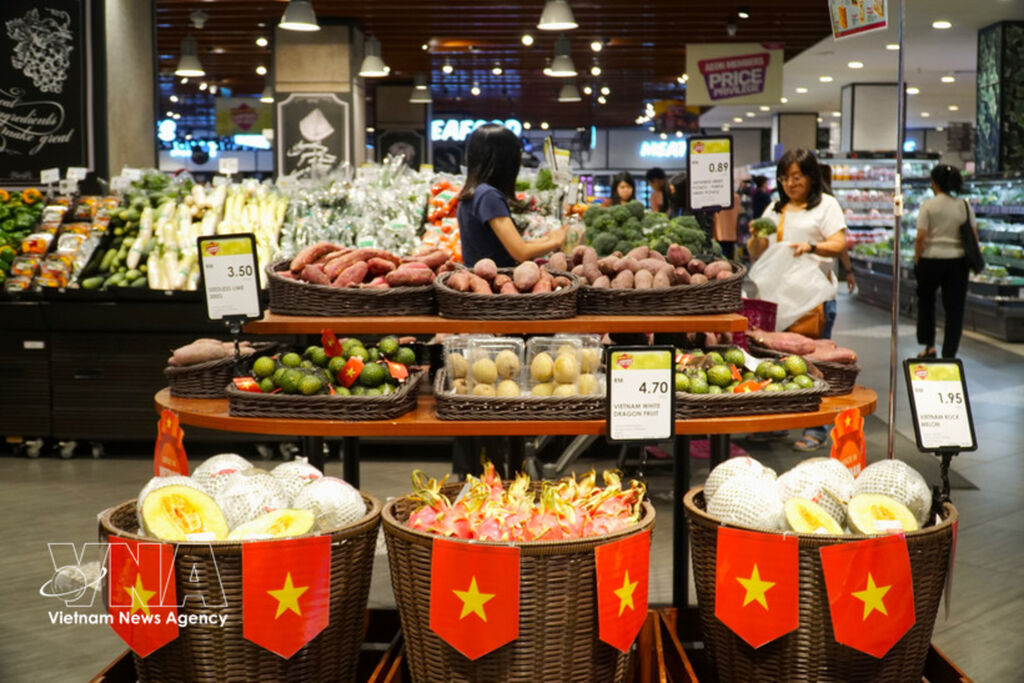
| Vietnamese products are on sale at AEON supermarket in Malaysia. (Photo: VNA) |
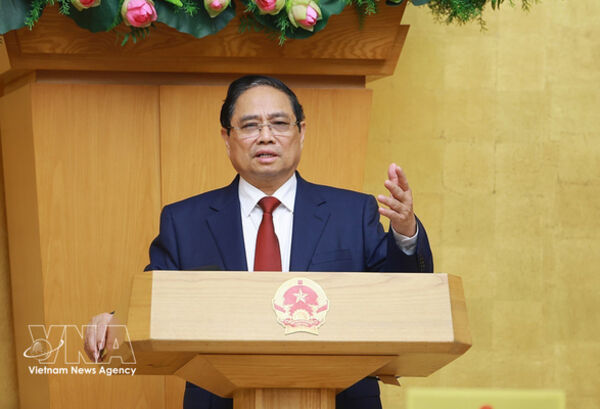
Hanoi (VNA) – Prime Minister Pham Minh Chinh has issued Directive No. 11/CT-TTg dated April 3 on enhancing the mobilisation of overseas Vietnamese (OVs) in promoting and distributing Vietnamese products, and developing distribution channels abroad during 2026–2030.
The directive highlights that the 2020–2024 project on mobilising overseas Vietnamese to introduce and distribute Vietnamese goods abroad was implemented effectively, contributing to the campaign “Vietnamese people prioritise Vietnamese goods.” Overseas Vietnamese communities have played an important role in trade promotion, business connectivity, supply–demand matching and the development of distribution systems abroad, supporting exports while promoting Vietnam’s image and cultural identity internationally.
In line with orientations set by the 14th National Party Congress, Vietnam is entering a phase of accelerated development aimed at achieving upper-middle income status by 2030 and becoming a high-income developed country by 2045.
In this context, strengthening overseas Vietnamese engagement is seen as vital to restructuring exports toward sustainability, improving competitiveness under green and digital standards, enhancing market intelligence and organising more professional trade and investment promotion activities.
Expanding overseas distribution networks
For 2026–2030, the directive seeks to tap overseas Vietnamese as a strategic on-site force in promoting and distributing Vietnamese goods, maintaining traditional markets and expanding access to reputable retail systems and global supply chains, particularly in countries with large Vietnamese communities. Priority will be given to supporting small and medium-sized enterprises and effectively utilising free trade agreements (FTAs).
By 2030, overseas Vietnamese are expected to participate in promoting and distributing Vietnamese goods in all host countries and territories, forming distribution networks where they play a key role.
The directive also aims to increase the share of Vietnamese goods within overseas distribution systems, promote e-commerce, develop enterprise databases linked to innovation and digital transformation, diversify modern promotional activities, and strengthen efforts against counterfeit goods while promoting green standards and product traceability.
Large-scale trade fairs and investment promotion activities involving overseas Vietnamese entrepreneurs will be expanded, alongside stronger information sharing on market trends, import regulations and trade risks to support Vietnamese enterprises abroad.
Facilitating overseas Vietnamese’s participation, business connectivity
The Ministry of Foreign Affairs will coordinate implementation, consolidate policies related to OVs and promote economic diplomacy to create favourable conditions for Vietnamese enterprises abroad. Overseas missions will support the establishment of Vietnamese business associations and help develop logistics, warehousing and distribution networks.
The Ministry of Industry and Trade will lead trade promotion and business connectivity programmes, integrate efforts with initiatives helping Vietnamese firms join foreign distribution networks, and promote the Vietnam Value national brand programme to enhance product credibility and national image. Trade offices abroad will support market expansion and encourage e-commerce applications for Vietnamese goods.
The Ministry of Science and Technology will connect overseas Vietnamese with domestic innovation ecosystems, mobilising international capital, expertise and technology to support research, production and commercialisation of digital and high-tech products. Priority will be given to promoting “Make in Vietnam” technologies such as artificial intelligence, blockchain, UAVs and semiconductors in global markets, alongside intellectual property protection support.
The ministry will also organise international technology promotion activities and encourage overseas Vietnamese youth and entrepreneurs to participate in innovation and startup initiatives linked to Vietnam’s digital transformation.
Meanwhile, the Ministry of Finance will address challenges facing overseas investment by Vietnamese enterprises, while the Ministry of Agriculture and Environment will facilitate overseas Vietnamese participation in agricultural production and export-oriented supply chains.
The directive is expected to better leverage overseas Vietnamese resources to expand global distribution channels, strengthen exports and enhance the international presence of Vietnamese goods./.