 |
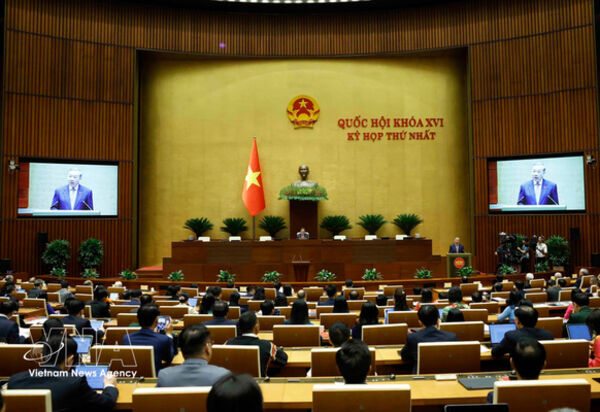
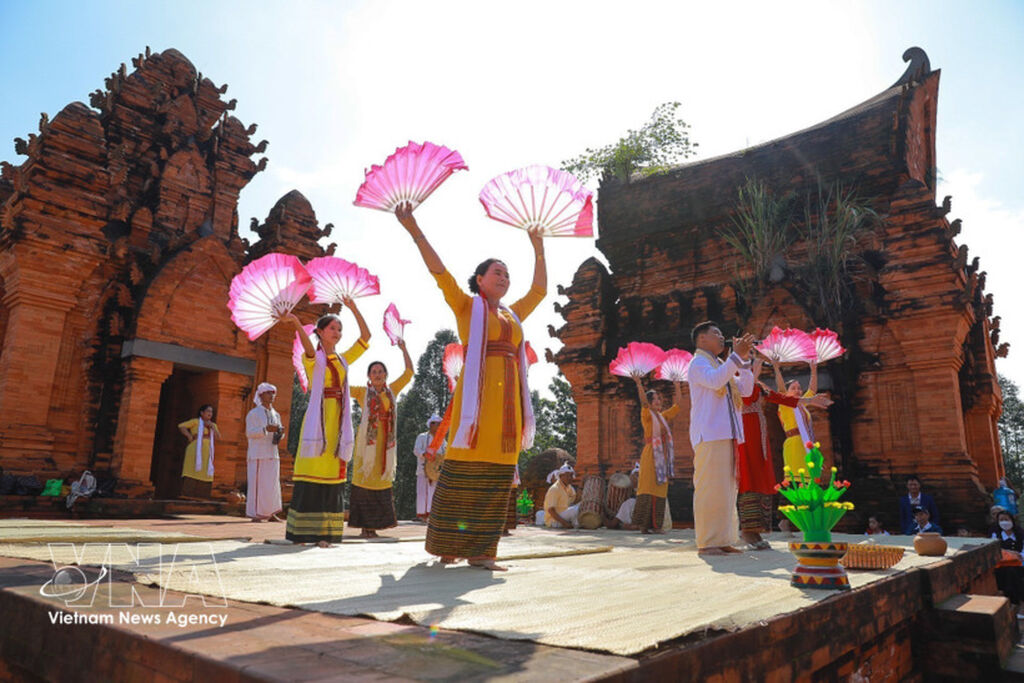
| Illustrative image (Source: VNA) |
Hanoi (VNA) – Deputy Prime Minister Nguyen Chi Dung has signed Decision No. 611/QD-TTg dated April 4 approving the project on digital transformation in the cultural sector to 2030, with a vision to 2045.
The project aims to comprehensively modernise Vietnam’s national digital cultural ecosystem to preserve and promote an advanced Vietnamese culture imbued with national identity, creativity and proactive international integration.
It also seeks to position digital culture as a new resource for sustainable development, accelerate cultural industries, and expand the digitisation and effective sharing of cultural resources to better serve citizens, businesses and society.
Shared digital platforms across all cultural fields by 2030
By 2030, the project targets the establishment of shared digital platforms across 100% of cultural sectors. All digitised cultural heritage will be standardised under the national data framework and shared in accordance with regulations, while 80% of public digital heritage assets are expected to receive digital identifiers to clarify ownership and management, encouraging organisations and individuals to do the same and support market development.
At least 80% of intangible cultural heritage in ethnic minority areas will be digitised and stored in specialised cultural databases.
All state management agencies in the cultural sector will connect and synchronise specialised databases, and all public cultural institutions will develop suitable digital transformation roadmaps.
National libraries, national museums of history and culture, and public museums nationwide will complete digital library and digital museum systems, develop smart operational models, and expand data integration and sharing within domestic and international networks.
At least 70% of museums, libraries, theatres, art troupes, sports federations, tourism sites, press agencies and digital content enterprises are expected to connect their data with the shared infrastructure of the Ministry of Culture, Sports and Tourism.
Expanding public access to digital cultural activities
The project aims to ensure that at least 75% of residents in remote, border and island areas, and 80% of communes in ethnic minority and mountainous regions, can access and participate in cultural activities in digital environments.
All leaders, civil servants, public employees, artists and students in cultural and arts training institutions will receive digital skills training and capacity-building.
By 2045, Vietnam aims to develop a comprehensive, intelligent and highly interactive digital cultural ecosystem that both preserves national identity and promotes Vietnamese culture globally. Digital culture is expected to become a driver of human development and national soft power, with cultural and creative industries contributing about 9% of GDP and digital cultural products accounting for over 80% of total cultural industry output.
The project outlines key tasks and solutions, including improving institutions and policies, mobilising financial resources, developing digital human resources, strengthening digital infrastructure and cybersecurity, and promoting international cooperation in cultural digital transformation.
Specific measures will also be implemented across eight fields: cultural heritage; performing arts and literature; fine arts, photography and exhibitions; cinema; libraries; journalism and communications; grassroots culture; and ethnic minority cultural development./.