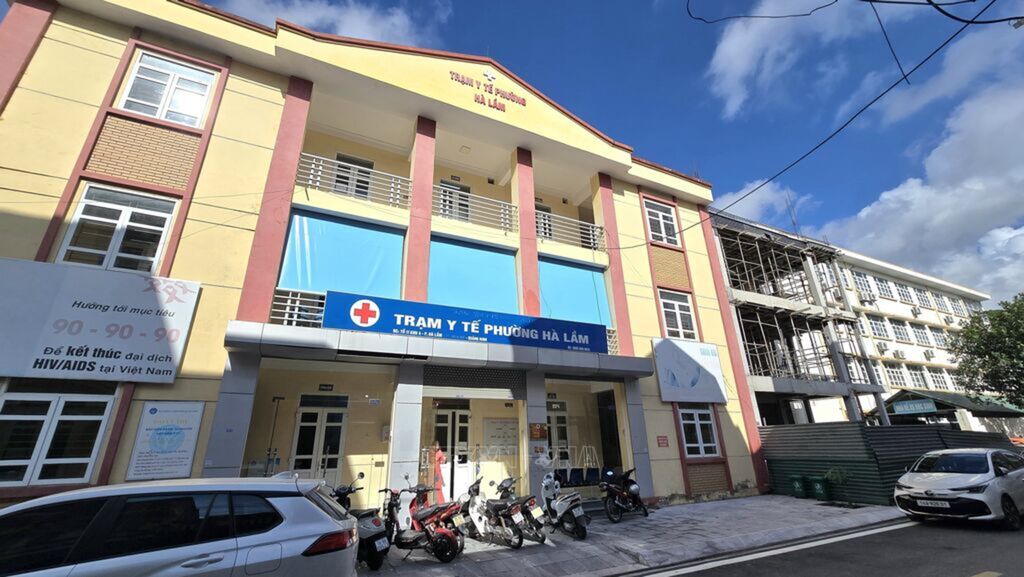





Following the merger of wards, additional doctors have been assigned to commune-level health stations. Photo: Thanh Van - VNA
Quang Ninh is stepping up efforts to improve the quality of its tourism and service sectors. Photo: Thanh Van - VNA
Tourism and seaports are among Quang Ninh’s key advantages. Photo: Thanh Van - VNA
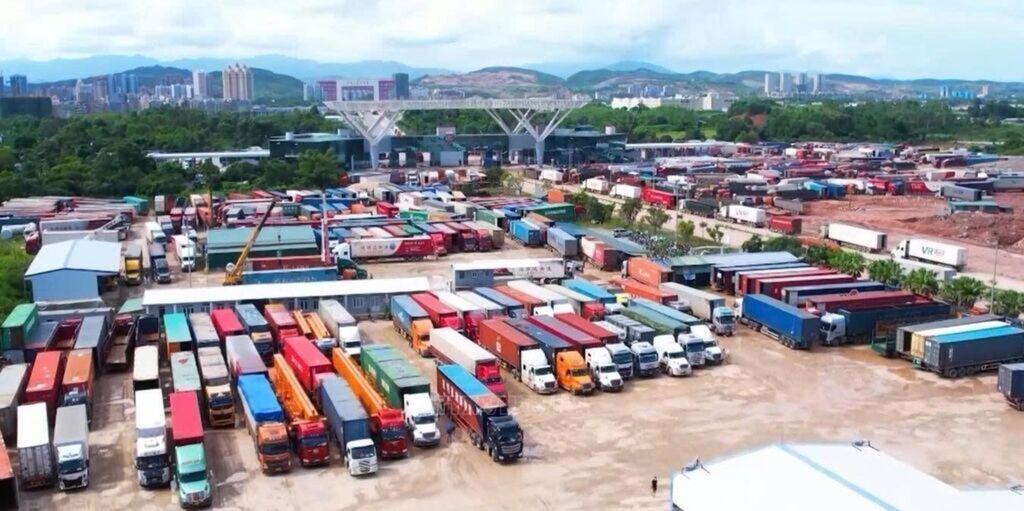
Trade and customs clearance activities are bustling at Mong Cai International Border Gate, contributing to the development of border-gate economic activities in Quang Ninh. Photo: Thanh Van - VNA
Urban spaces are being developed with a focus on the experiences of residents and visitors. Photo: Thanh Van - VNA
Urban infrastructure across Quang Ninh is being renovated and upgraded to meet new requirements. Photo: Thanh Van - VNA
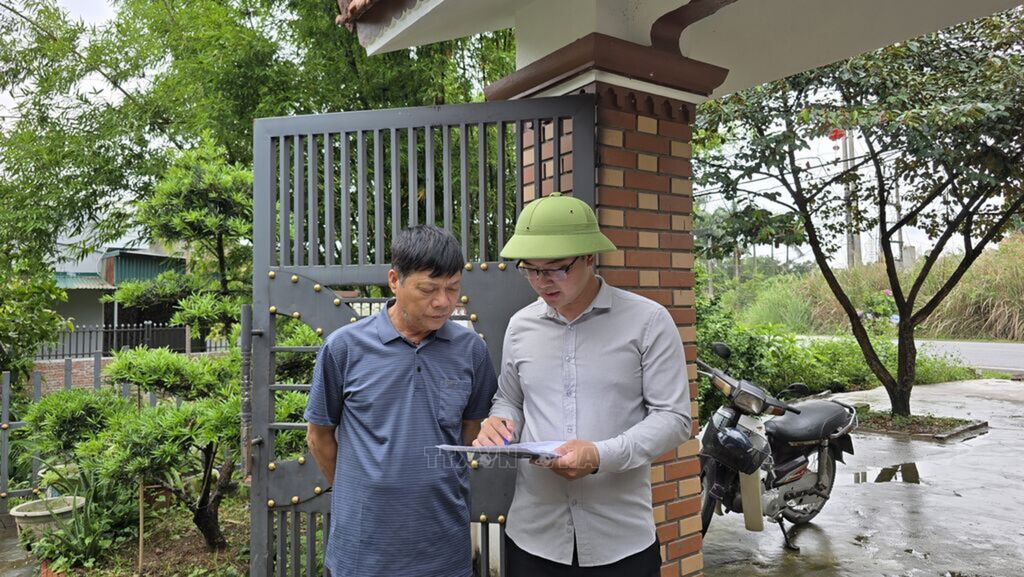
Commune-level officials work closely with local communities while reviewing and verifying information data. Photo: Thanh Van - VNA
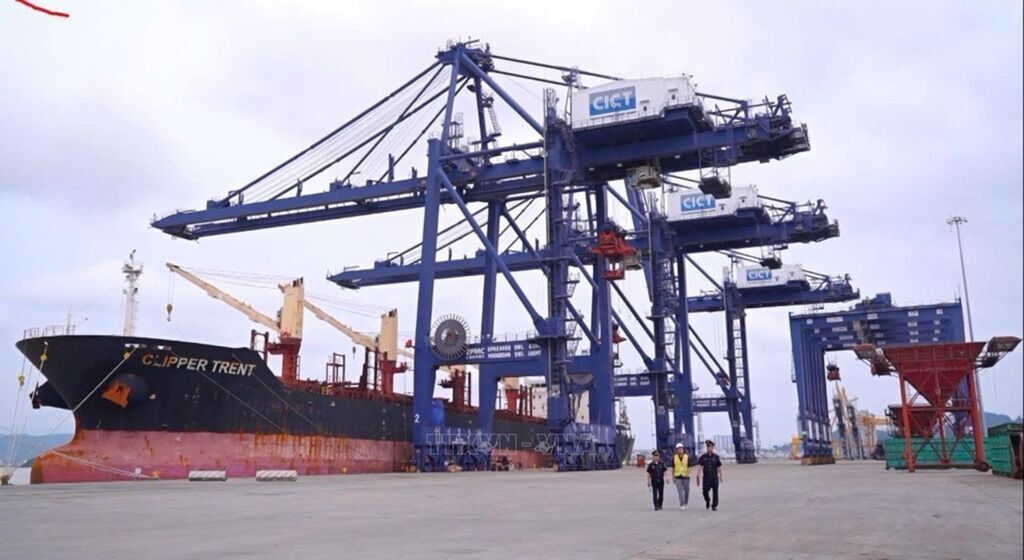
Logistics operations and the loading and unloading of import and export goods at CICT Hon Gai Port in Quang Ninh. Photo: Thanh Van - VNA
A view of Ha Long Ward following the merger of Hong Ha and Hong Hai wards. Photo: Thanh Van - VNA
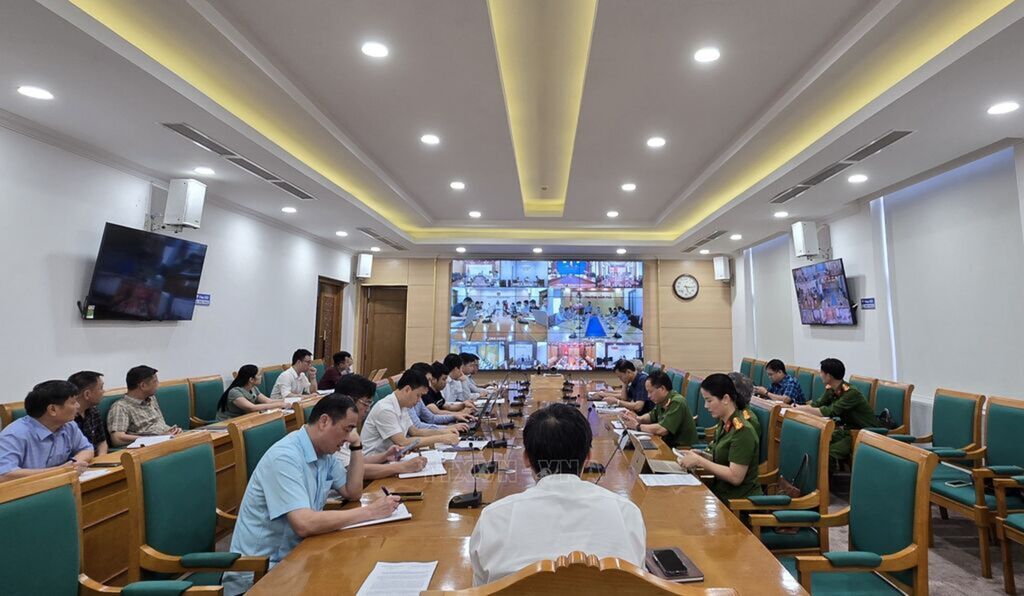
Under the two-tier local government model, online meetings between provincial and commune-level authorities are helping improve administrative coordination and management efficiency. Photo: Thanh Van - VNA
Quang Ninh turns governance capacity into connectivity and competitiveness
Alongside streamlining its administrative apparatus, Quang Ninh Province is accelerating administrative decentralization, digital transformation and comprehensive international integration. The province is translating the spirit of Resolution No. 59-NQ/TW into practical cooperation models, notably the Mong Cai–Dongxing Smart Border Gate project and expanded comprehensive cooperation with China’s Guangxi Zhuang Autonomous Region. By strengthening governance effectiveness, Quang Ninh is gradually turning its internal strengths into greater connectivity, logistics capacity and international competitiveness. Photo: Thanh Van - VNA