 |
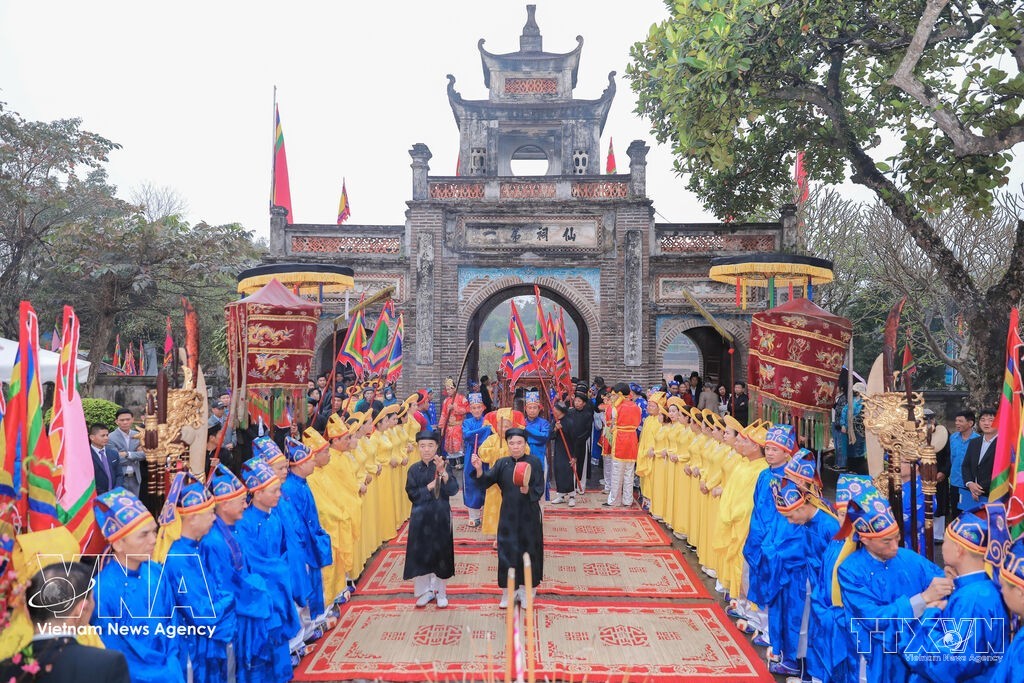
| The ritual ceremony at the Co Loa Festival 2026 in Hanoi. (Photo: VNA) |
Hanoi (VNA) – More than six months after the Politburo issued Resolution No. 80-NQ/TW on the development of Vietnamese culture, localities and agencies across the country have stepped up efforts to preserve cultural heritage, accelerate digital transformation, expand cultural industries, and encourage artistic creativity.
At the recent second meeting of the Central Steering Committee for the Development of Vietnamese Culture, Party General Secretary and State President To Lam reviewed progress in the resolution implementation while pointing out shortcomings that need to be addressed.
He outlined strategic directions for the next stage of cultural development, stressing the need to identify and bridge four major gaps and carry out three key transformations. These priorities are intended to make culture a genuine driving force for national development rather than simply a field for preservation.
Following these directions, ministries, sectors and localities are expected to continue introducing practical measures to safeguard and promote Vietnam's cultural values.
 |
| Three generations of female "xam" singers from Bich Cau Dao Quan perform together. (Photo: VNA) |
Hanoi has been among the most active localities. The capital is completing nomination dossiers for several cultural heritage elements, including pho, water puppetry, ao dai, and the Co Loa relic site, for submission to UNESCO for recognition.
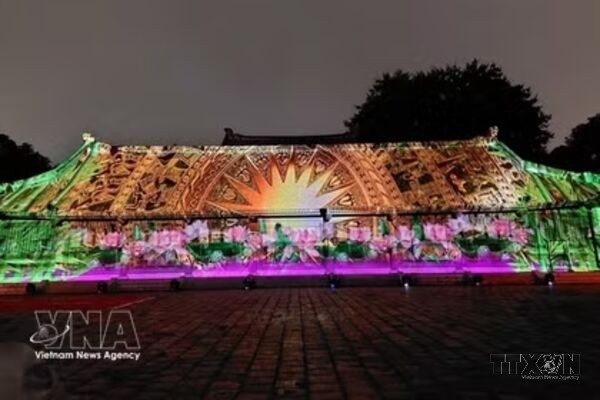
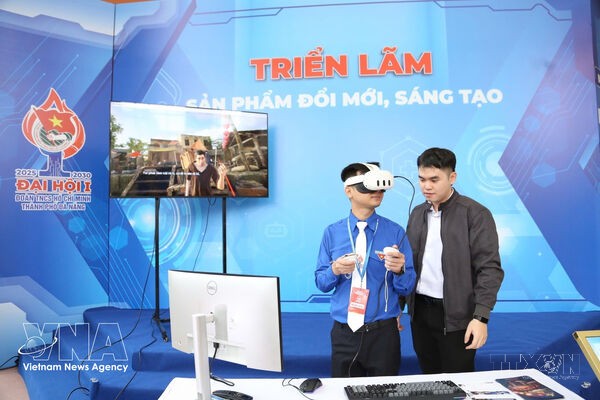
The city is also accelerating the digitalisation of cultural heritage by applying digital technology, artificial intelligence and virtual reality to preservation, research and public engagement.
Community-based heritage preservation has also continued to produce positive results. One notable example is the free “ca tru” singing class held regularly at the Bich Cau Dao Quan historical and cultural site. Guided by experienced folk artisans, the programme has attracted both local residents and international visitors interested in learning about one of Vietnam's oldest performing arts.
In Ho Chi Minh City, young artists are exploring new ways to bring traditional culture to modern audiences. Many music projects combine folk elements with contemporary styles and are distributed through digital platforms to reach wider audiences.
Meanwhile, programmes featuring revolutionary music and patriotic songs have also been refreshed through more creative performances, helping them appeal to people, espacially younger generations.
In the Mekong Delta, An Giang province is promoting its rich cultural heritage through exhibitions and long-term development projects.
An exhibition themed "Southern Ceramics – Stories, Beliefs and Daily Life" showcased more than 100 ceramic artefacts, highlighting the region's cultural identity and craftsmanship.
 |
| National treasures from the Oc Eo culture on display at an exhibition. (Photo: VNA) |
At the same time, the nomination dossier for the Oc Eo – Ba The archaeological site is being evaluated by UNESCO and the International Council on Monuments and Sites (ICOMOS) for possible inscription on the world heritage list.
The province is also implementing a cultural tourism development project centred on the Oc Eo Civilisation for the 2026–2030 period, aiming to make better use of its archaeological assets while supporting local socio-economic growth.
The initial results in heritage conservation, digital transformation, cultural industry development and artistic creativity facilitation suggest that Resolution No. 80 is gradually taking effect across the country.
These efforts not only help preserve and promote Vietnam's rich cultural heritage but also create new opportunities for economic development through tourism, creative industries and digital technology.
As Vietnam enters a new stage of development, culture is increasingly recognised as both the spiritual foundation of society and an important source of internal strength for sustainable development.
The wider use of technology in heritage preservation, together with policies that encourage creativity and bring cultural values into everyday life, is opening up new opportunities for culture to contribute more significantly to the country's progress. With continued support from authorities at all levels, culture is expected to become an even stronger driver of a fast-growing, sustainable and culturally rich Vietnam./.