 |
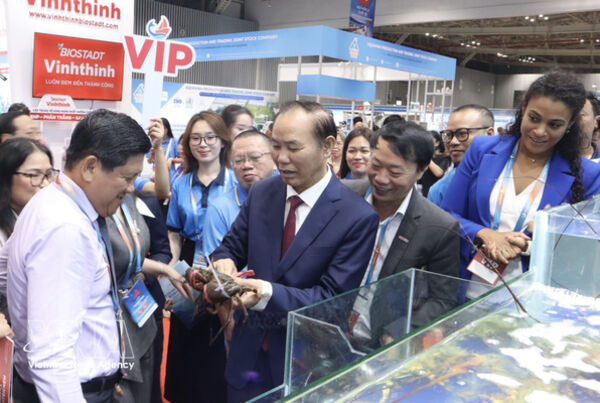
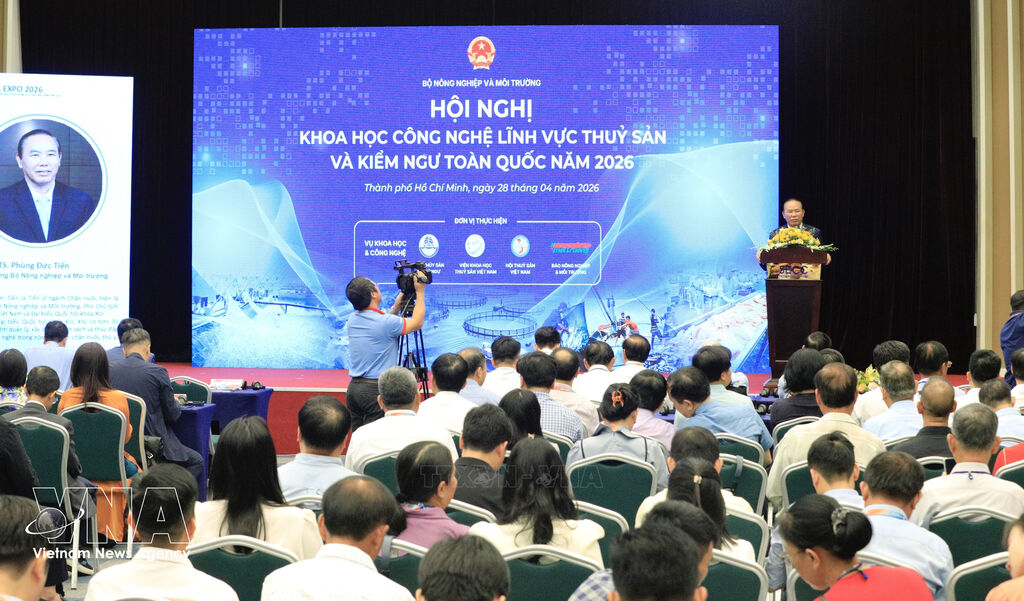
| An overview of the 2026 national conference on fisheries science, technology and surveillance (Photo: VNA) |
Ho Chi Minh City (VNA) – Vietnam’s fisheries sector is maintaining positive growth momentum but faces mounting challenges from intensifying global competition and increasingly stringent market requirements. In this context, science, technology and innovation have been identified as both the foundation and a critical driving force for restructuring the sector, enhancing productivity, quality and added value.
This assessment was shared by experts at the 2026 national conference on fisheries science, technology and surveillance, held in Ho Chi Minh City on April 28.
Sustained growth amid rising pressures
The fisheries sector remains a pillar of the agriculture and environment sector, making significant contributions to export earnings and providing livelihoods for millions of people in coastal and rural areas, according to Tran Dinh Luan, Director of the Directorate of Fisheries and Fisheries Surveillance under the Ministry of Agriculture and Environment.
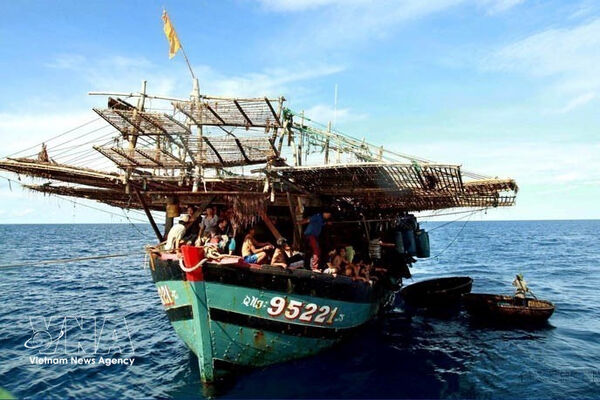
During the 2021–2025 period, the sector’s production structure continued to shift toward reduced capture and increased aquaculture. By the end of 2025, total output reached nearly 10 million tonnes, with aquaculture accounting for over 6.1 million tonnes and serving as the main growth driver. Meanwhile, capture output stabilised at around 3.8–3.9 million tonnes, declining slightly by an average of 0.9% per year, reflecting efforts to manage fishing intensity and protect marine resources.
Aquatic product processing has also expanded, with major enterprises investing in modern technologies to meet standards in demanding markets such as the US, the European Union and Japan. Total export turnover exceeded 11.3 billion USD, placing Vietnam among the world’s leading aquatic product exporters.
Despite these encouraging figures, long-term challenges persist. Associate Professor Dr. Dang Thi Lua of the Research Institute for Aquaculture noted that climate change impacts, including sea-level rise, salinity intrusion and extreme weather events, are placing increasing pressure on the sector, requiring adaptive breeding technologies and resilient farming systems.
At the same time, stricter trade barriers, particularly on traceability and the fight against illegal, unreported and unregulated (IUU) fishing, are compelling the sector to accelerate digital transformation in management and monitoring. Environmental protection requirements and emission reduction targets are also pushing the industry toward green and circular economy models.
While science and technology have significantly contributed to growth, their practical application remains limited. Dr. Nguyen Van Long, Director of the Department of Science and Technology under the ministry, pointed to bottlenecks in breeding research and seed supply, with the sector still dependent on imports. The commercialisation of scientific products also remains modest, while support services such as technology transfer and innovation infrastructure are underdeveloped.
Toward comprehensive transformation
Vietnam’s Fisheries Development Strategy to 2030, with a vision to 2045, sets ambitious goals of building a modern, sustainable and globally competitive sector. Key solutions include shifting from production to an economic approach, promoting marine aquaculture, reducing capture fisheries, enhancing traceability, and strengthening marine conservation.
Lua emphasised that biotechnology and next-generation genetics will play a central role, with the goal of gradually replacing up to 80% of imported broodstock with high-performance domestic varieties. The development of new-generation vaccines and biological products is expected to reduce reliance on antibiotics and move toward comprehensive health management. Advances in feed technology and smart nutrition are also seen as crucial, given that feed costs account for 60–70% of production expenses. Innovations such as insect-based protein and artificial intelligence in feeding management could reduce costs by 15–20% while minimising environmental impacts.
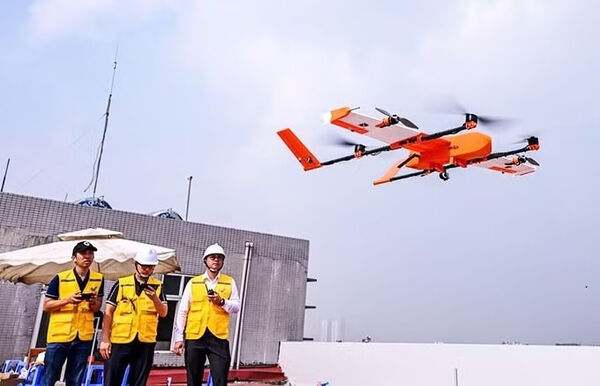
Offshore aquaculture development will require significant infrastructure upgrades, including replacing traditional wooden cages with durable modern materials. The application of robotics and unmanned underwater equipment is expected to enhance efficiency and reduce risks for workers.
Digital transformation is regarded as an irreversible trend. Experts called for the development of a sector-wide big data system and the application of blockchain technology for traceability to meet international standards.
In processing, the focus will shift from raw exports to deep processing, maximising value from by-products such as collagen, chitosan and omega-3 fatty acids, thereby promoting a circular economy.
Green technologies and climate-adaptive farming models are also gaining prominence. Recirculating aquaculture systems and biofloc technology can significantly reduce water use and waste discharge, and renewable energy is expected to replace 20–30% of traditional energy sources.
Long stressed that addressing existing bottlenecks will require coordinated efforts among the State, scientists and enterprises. With clear strategies, market-driven demand and applied research, Vietnam is well-positioned to realise its goal of becoming a global hub for high-value aquatic product processing by 2045./.