 |
| The trip reflects the high regard shared by the two countries’ senior leaders, and continues to realise agreements reached at the high-level meeting between the two Parties’ leaders in February, which identified the 2025–2027 period as one of extensive and well-oriented cooperation. |
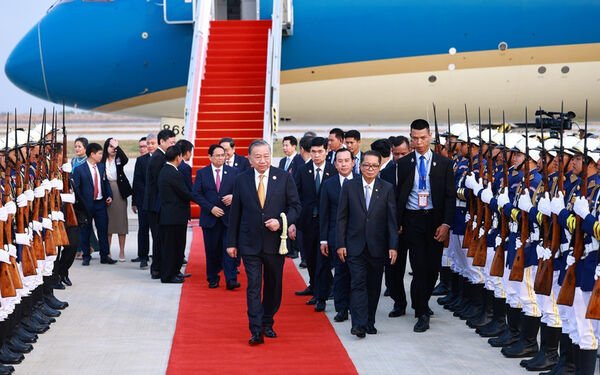
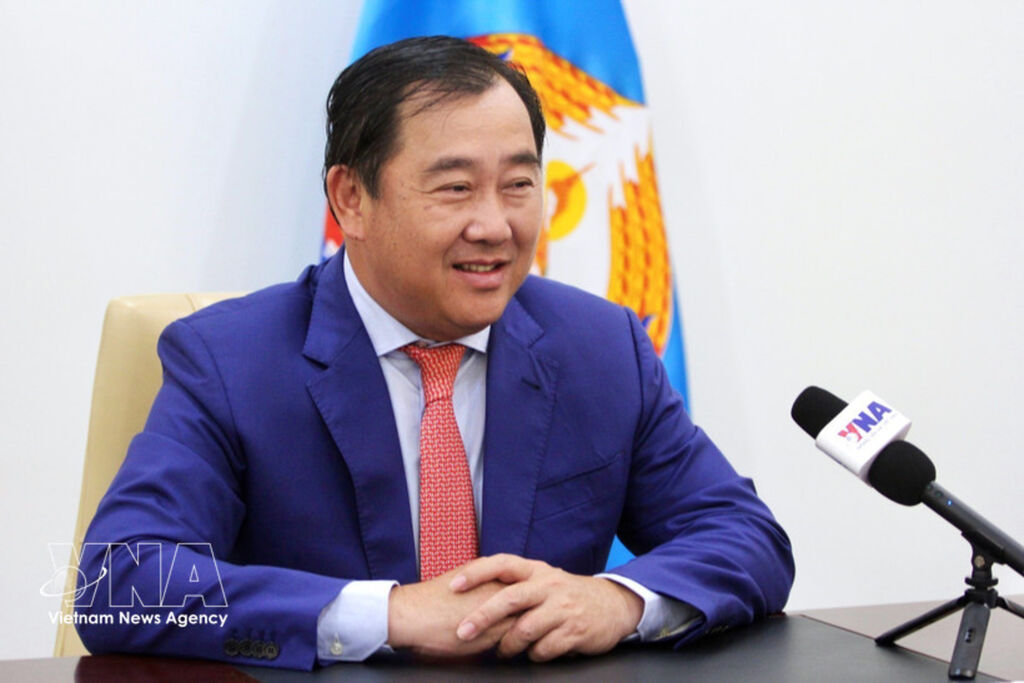
Phnom Penh (VNA) – The official visit to Cambodia by Politburo member and Permanent member of the Secretariat of the Communist Party of Vietnam (CPV) Central Committee Tran Cam Tu on April 10 carries profound diplomatic and political significance, helping to further strengthen political trust and mutual understanding for the benefit of the two Parties, States, and peoples, according to Suos Yara, First Vice Chairman of the External Relations Commission of Cambodian People's Party (CPP) and spokesperson for the CPP.
In an interview granted to the Vietnam News Agency ahead of the visit, which will be made at the invitation of Samdech Say Chhum, Vice President of the CPP and Chairman of Standing Board of the CPP Central Committee, Suos Yara said the trip reflects the high regard shared by the two countries’ senior leaders, and continues to realise agreements reached at the high-level meeting between the two Parties’ leaders in February, which identified the 2025–2027 period as one of extensive and well-oriented cooperation.
According to the CPP official, the visit contributes to reinforcing traditional friendship, close ties, and mutual understanding between the two sides. Along with the official visit by General Secretary of the CPV Central Committee To Lam to Cambodia in February, the trip is expected to further deepen trust and enhance cooperation for the shared interests of both nations.
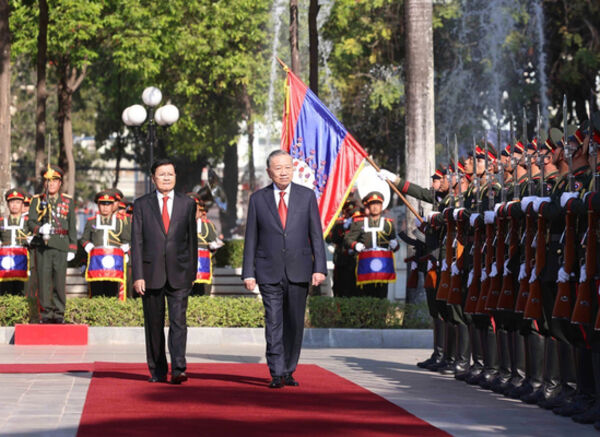
He noted that choosing Cambodia and Laos as the first overseas destinations of the Vietnamese senior Party official underscores Vietnam’s consistent appreciation of its traditional friendship with the two countries, as well as the close bonds among the three Parties and nations. It also reflects ongoing coordination among the three Parties in implementing joint cooperation programmes.
Highlighting the long-standing nature of Cambodia–Vietnam relations, he said the ties date back to the era of late King Father Norodom Sihanouk and have been nurtured through generations of leaders. Under the leadership of Samdech Techo Hun Sen and current Prime Minister Samdech Thipadei Hun Manet, Cambodia continues to view Vietnam as a sincere and reliable neighbour, with both sides maintaining regular mutual support and assistance, the CPP spokesperson said.
Looking ahead to the 60th anniversary of diplomatic relations next year, Suos Yara described the milestone as highly significant, reaffirming historical values underpinning enduring ties between past and younger generations. The relationship, he said, is guided by the principles of “good neighbourliness, traditional friendship, comprehensive cooperation, and long-term sustainability.”
He stressed the need to preserve and further promote the traditional friendship built in the past while looking toward the future, calling for stronger coordination at all levels, from central to local authorities, including border provinces. Such efforts would help promote existing cooperation and enable younger generations to continue working together in pursuit of practical benefits for economic development and people’s livelihoods in both countries.
On this occasion, the CPP official congratulated Vietnam on the successful organisation of election of deputies to the 16th National Assembly and People’s Councils at all levels for the 2026–2031 tenure on March 15, and expressed his best wishes for the success of the first session of the newly elected legislature.
He affirmed that these sentiments reflect the goodwill of the Cambodian people, civil servants, and CPP members, as well as leaders of the Senate, Royal Government, and National Assembly, expressing confidence in the continued growth of Vietnam–Cambodia relations in an evolving global context./.