 |
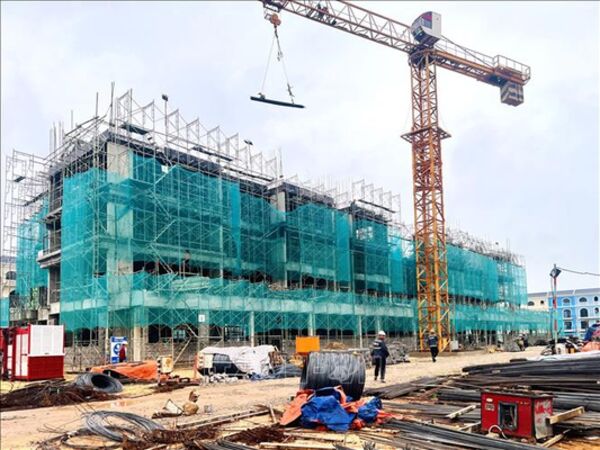
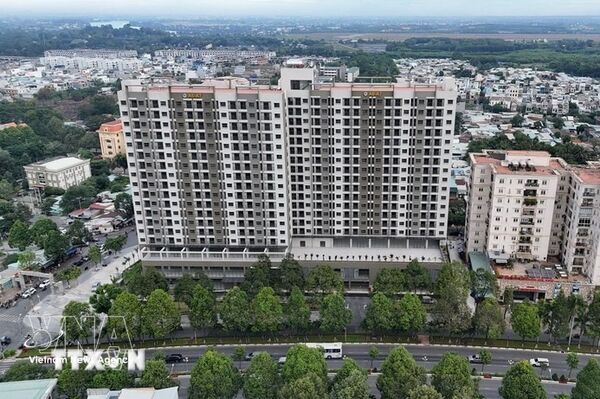
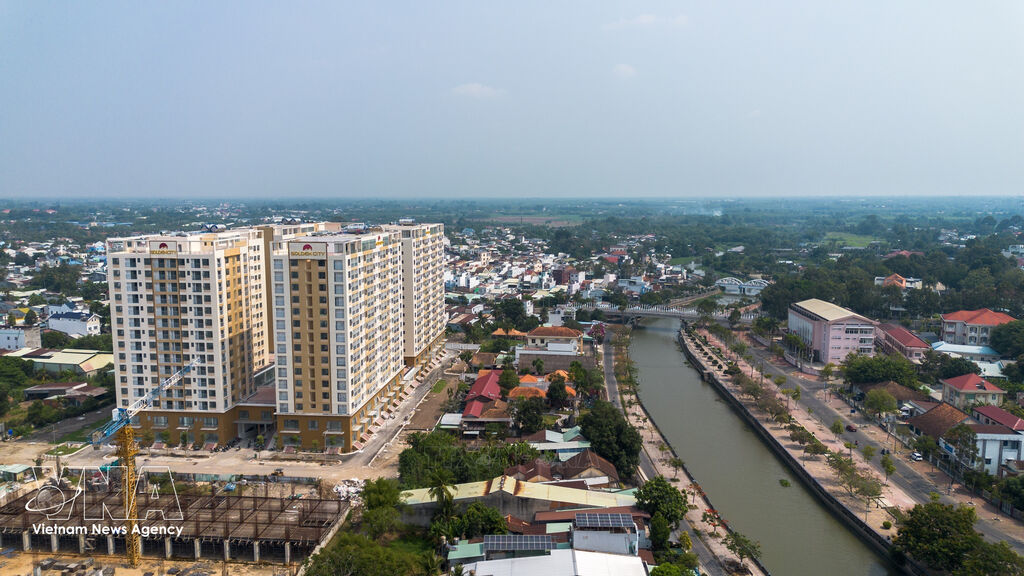
| Social housing projects help meet the housing needs of low-income earners and workers, while contributing to sustainable urban development. (Photo: VNA) |
Hanoi (VNA) - Vietnam has surpassed its social housing construction target by 44%, according to the Ministry of Construction, reflecting strong initial progress in implementing the Government’s housing development agenda for the 2026–2030 period.
Minister of Construction Tran Hong Minh has issued an official dispatch urging localities to accelerate the development of social housing projects to meet the target of more than 158,700 units in 2026, as set out in Government Resolution No. 7/NQ-CP.
The ministry reported that in the first four months of the year, the rollout of social housing initiatives has recorded encouraging results. Nationwide, 40 new projects have been kicked off, comprising 36,590 units. This brings the total number of commenced projects to 226, with a combined scale of 228,725 units, exceeding the assigned target by 44%. In parallel, 5,426 units have been completed, while 25 provinces and cities have already met or surpassed their annual plans.
Despite these gains, the Ministry of Construction noted several persistent challenges. In some localities, insufficient attention has been given to the development of social housing, including limited allocation of budget resources to create cleared land funds. Many designated sites remain located far from urban centres and lack adequate infrastructure connectivity. Administrative procedures in certain areas continue to face delays, with “green lane” and priority mechanisms yet to be effectively implemented. Additionally, some localities have not initiated a sufficient number of projects in line with assigned targets.
To ensure progress, the minister instructed provincial and municipal authorities to review and consolidate steering committees on housing policy and real estate markets within the second quarter of 2026. Localities were also required to integrate social housing targets into their socio-economic development plans.
Authorities were also urged to finalise housing development programmes for the 2026–2030 period, establish local housing funds, and formulate detailed annual implementation plans aligned with specific project pipelines and timelines.
For projects already underway, the ministry called for direct engagement with investors to secure firm commitments on construction schedules, with a focus on completing eligible projects within 2026. Projects that can be partially completed should have their timelines adjusted accordingly, with resources concentrated and construction technologies applied to shorten implementation times. Localities that have yet to meet their targets were requested to urgently review projects eligible for fast-tracking, accelerate administrative procedures, and commence construction within the second quarter, aiming for completion within the year. At the same time, they are urged to prepare a pipeline of projects for subsequent years, particularly for the 2027–2028 period.
The Ministry of Construction also emphasised the importance of prioritising well-located land with adequate technical and social infrastructure, regularly updating construction material prices to manage costs, addressing difficulties faced by enterprises, and strengthening inspection and oversight to ensure that social housing is allocated to the intended beneficiaries./.