 |
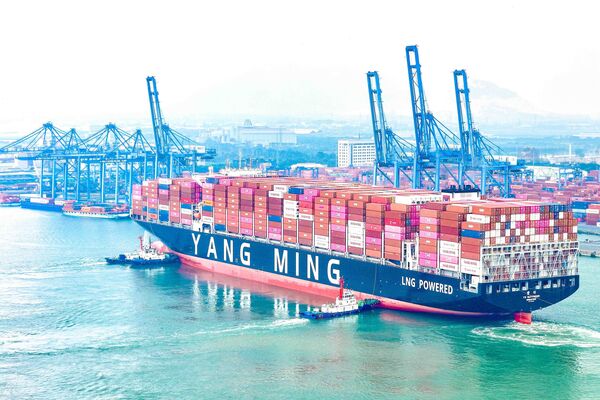
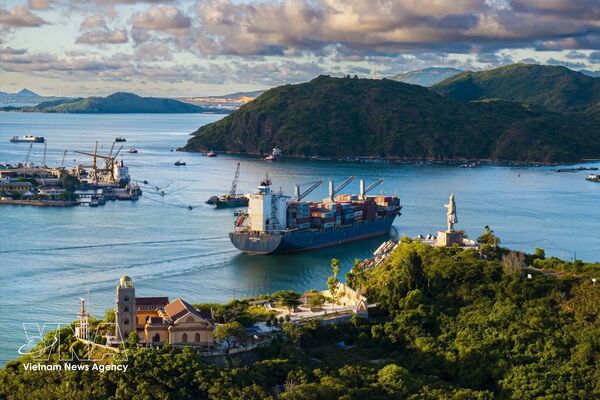
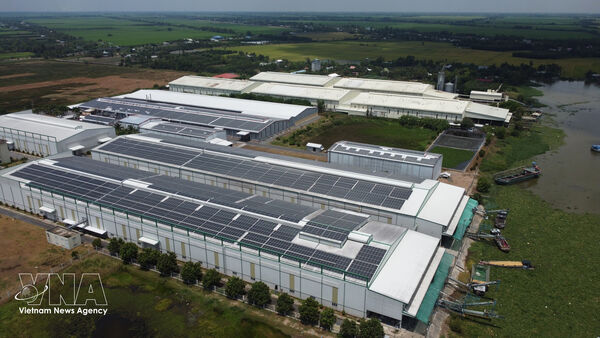
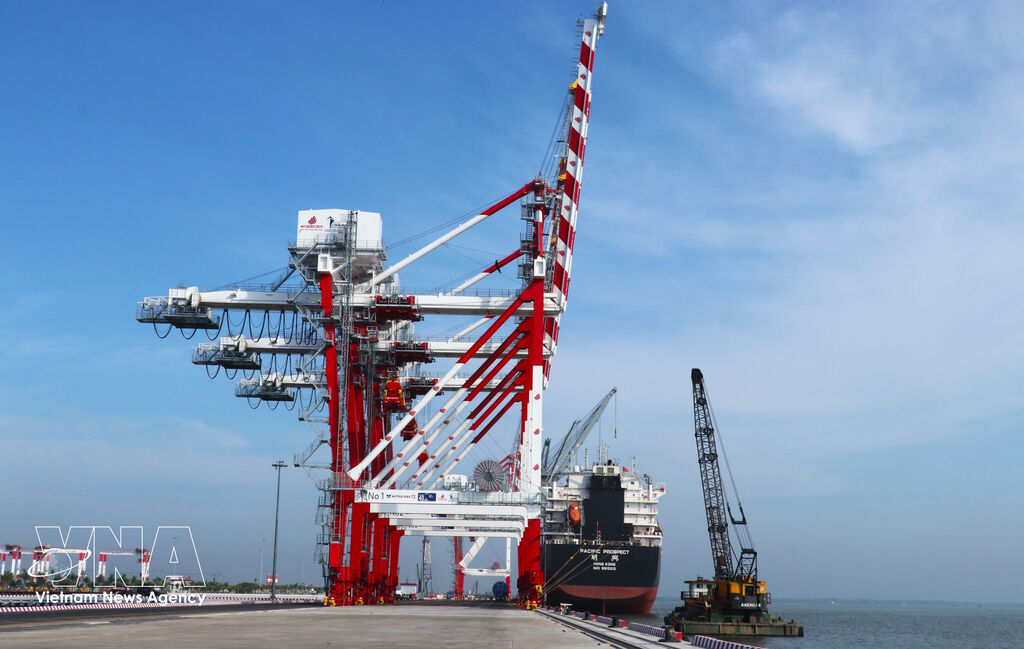
| Long An International Port is identified as one of the sites supporting Tay Ninh’s plans to develop logistics hubs, helping leverage maritime transport advantages, facilitate trade connectivity and improve cargo circulation and distribution. (Photo: VNA) |
Tay Ninh (VNA) – The southern province of Tay Ninh aims to attract investment in at least three logistics centres, two wholesale markets and three to five shopping malls and supermarkets by 2030 as part of efforts to develop modern commercial infrastructure, improve goods circulation and capitalise on regional connectivity and international trade.
Vice Chairman of the provincial People’s Committee Truong Thanh Liem said Tay Ninh plans to mobilise social resources to develop modern commercial infrastructure and complete key transport routes linking logistics centres, warehouses, distribution hubs, seaports and border gates with industrial parks and clusters.
The province also aims to gradually establish a logistics network and a modern goods distribution system, making trade and services key drivers of economic growth.
Of the three logistics centres the province seeks to attract investment to, at least one will be linked to a border-gate economic zone or a seaport.
Tay Ninh also targets average annual e-commerce revenue growth of 20-30%. By 2030, all supermarkets and shopping malls and 80% of markets and household businesses are expected to adopt cashless payment solutions. All communes and wards with markets will develop and replicate the “food safety market” model.
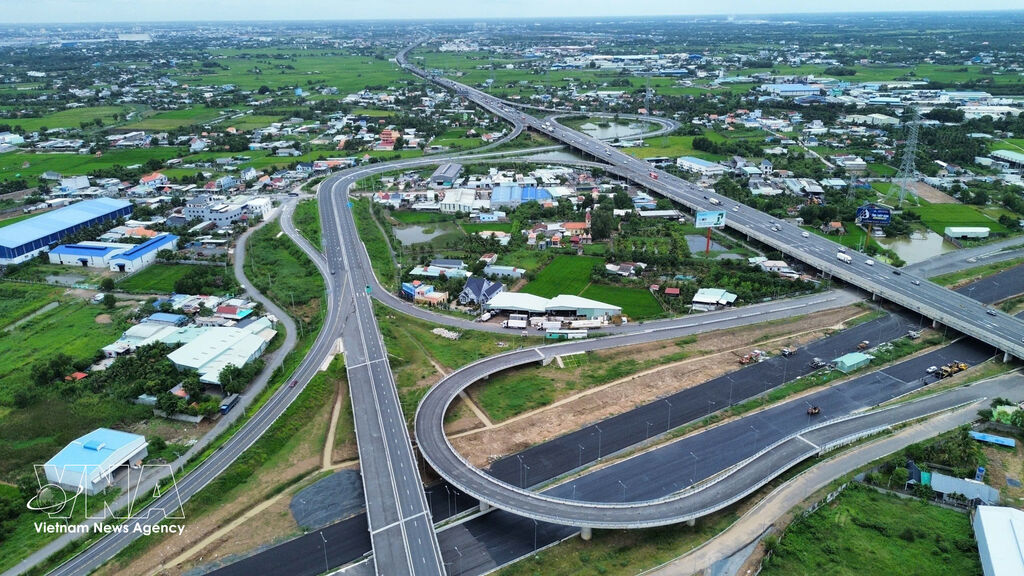 |
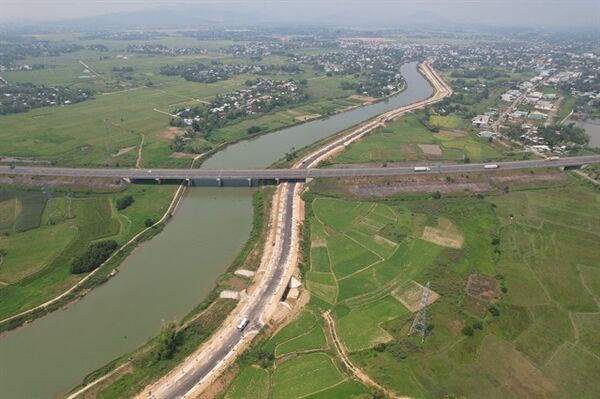
| Tay Ninh aims to develop an integrated transport infrastructure network and strengthen connectivity among production areas, industrial parks, border gates and ports, laying the foundation for attracting investment in logistics. (Photo: VNA) |
To improve connectivity for trade, logistics and production, Tay Ninh is accelerating the implementation of five key transport infrastructure projects, namely the road connecting the Moc Bai–Xuyen A industrial and urban corridor; the Ho Chi Minh City–Tay Ninh–Dong Thap route, also known as Provincial Road 827E; Ho Chi Minh City’s Ring Road 4; the Duc Hoa development-driving road; and the Tan An–Binh Hiep road.
The province is also expediting the development of three major development axes: the Ho Chi Minh City–Moc Bai and Go Dau–Xa Mat expressways; the Binh Chanh–Ring Road 4–My Quy Tay Border Gate; and the Vam Co river system.
These efforts are expected to help position Tay Ninh as a gateway for trade, border economic activities, international cooperation and tourism services, enabling the province to capitalise on its strategic geopolitical and economic location along the East–West Economic Corridor, its proximity to Ho Chi Minh City and its position within the country’s most dynamic economic region.
Liem said the province will focus on refining mechanisms and policies and drawing up a list of priority projects to encourage businesses to invest in trade, services and logistics.
It will improve the business environment, ensure transparent administrative procedures and promptly address difficulties facing enterprises. Investment promotion activities will be renewed, while efforts will be made to strengthen supply-demand links, expand consumer markets, develop border trade and exports, and encourage the adoption of digital technologies, e-commerce and cashless payments.
Tay Ninh is also launching a campaign to boost investment in modern commercial infrastructure, port services, logistics, trade and services during the 2026–2030 period./.