 |
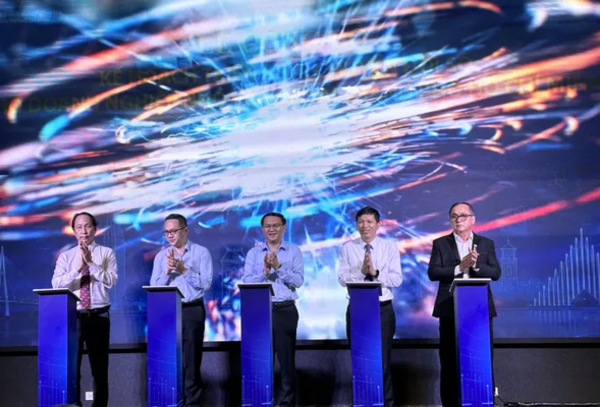
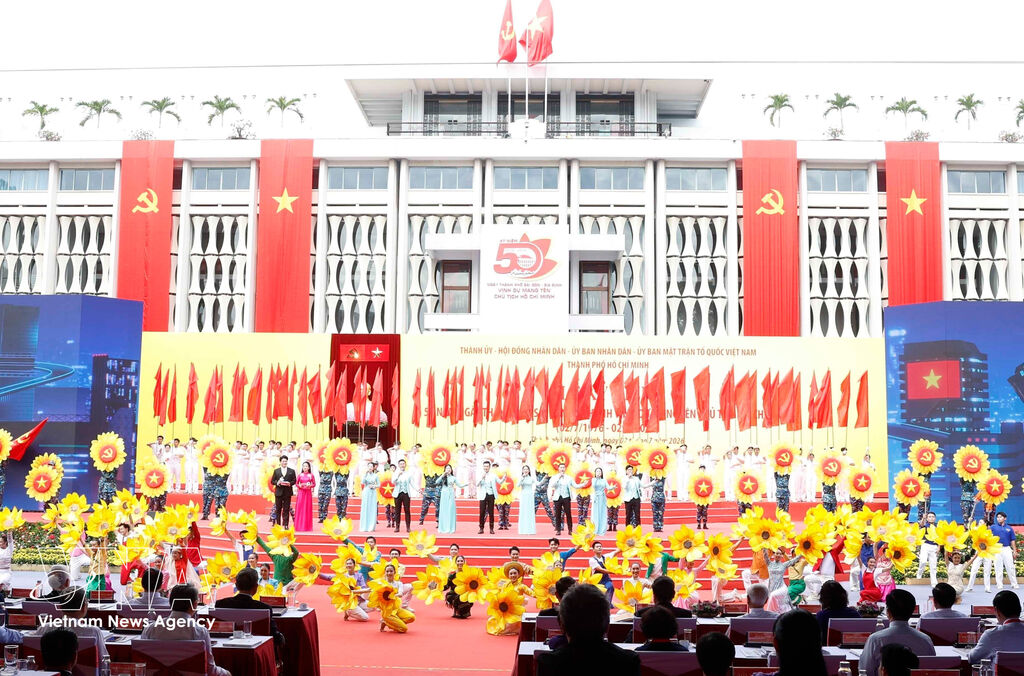
| An art performance at the ceremony to mark the 50th anniversary of Saigon-Gia Dinh city being officially named after President Ho Chi Minh (July 2, 1976–2026). (Photo: VNA) |
Ho Chi Minh City (VNA) – Party General Secretary and State President To Lam attended and delivered a speech at a ceremony held in Ho Chi Minh City on July 2 to mark the 50th anniversary of Saigon-Gia Dinh city being officially named after President Ho Chi Minh (July 2, 1976–2026).
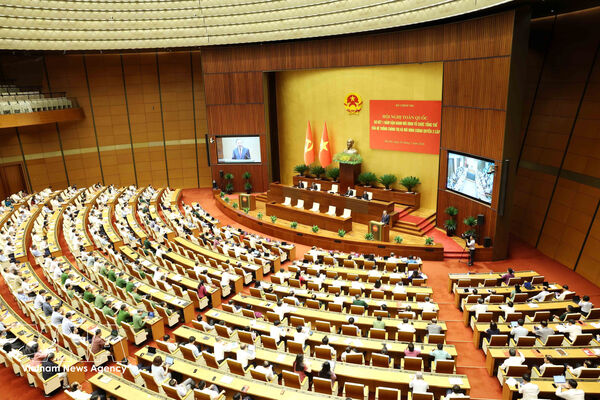
The event, jointly organised by the municipal Party Committee, People’s Council, People’s Committee and Vietnam Fatherland Front Committee, brought together current and former Party and State leaders, revolutionary veterans, representatives of central agencies and localities, and people from all walks of life.
In his commemorative address, Politburo member and Secretary of the municipal Party Committee Tran Luu Quang recalled that on July 2, 1976, the first session of the sixth National Assembly adopted a resolution granting Saigon-Gia Dinh the honour of bearing President Ho Chi Minh’s name. The decision, he said, reflected the deep gratitude of the Party, State and people towards the late leader while embodying their trust, expectations and responsibilities for the city’s future development.
Reviewing the city’s journey over the past five decades, Quang highlighted its pioneering role in promoting innovation and contributing to national development. He said the city’s defining characteristics – dynamism, creativity, solidarity and compassion – have enabled it to overcome numerous challenges and move forward.
The Party Organisation, authorities and people of Ho Chi Minh City are committed to standing united, upholding the city’s proud traditions and building a metropolis that is increasingly civilised, modern and compassionate, Quang stated, affirming that the city will continue to play its role as the country’s leading economic engine, making worthy contributions to the cause of national construction and safeguarding.
Addressing the ceremony, General Secretary and President Lam described the anniversary as an event of profound political, historical and cultural significance, offering an opportunity to honour President Ho Chi Minh, revolutionary predecessors, heroic martyrs and all who sacrificed for national independence, reunification and the development of the city.
He said Ho Chi Minh City has every reason to take pride in its remarkable achievements over the past half-century. From a war-ravaged urban centre facing enormous post-war difficulties, it gradually restored production, stabilised people's livelihoods, consolidated the achievements of the revolution, built an effective system of governance, and safeguarded national defence and security, thereby laying a solid foundation for long-term development.
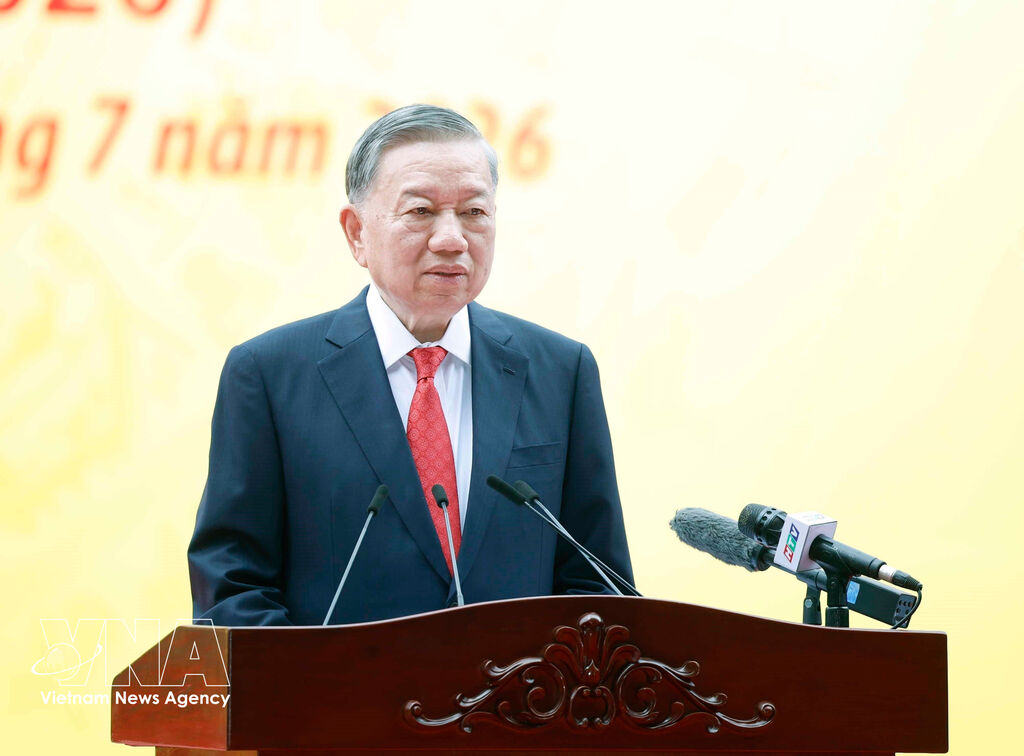 |
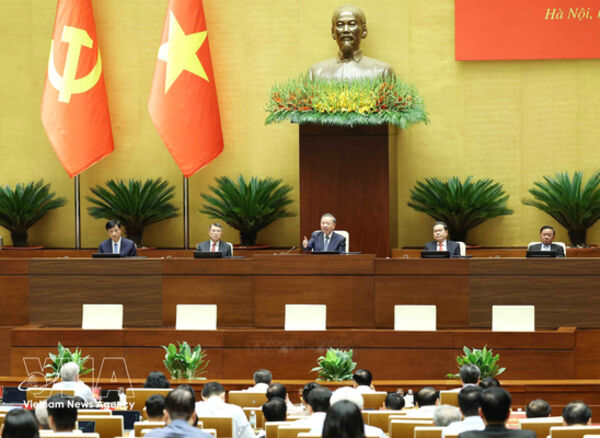
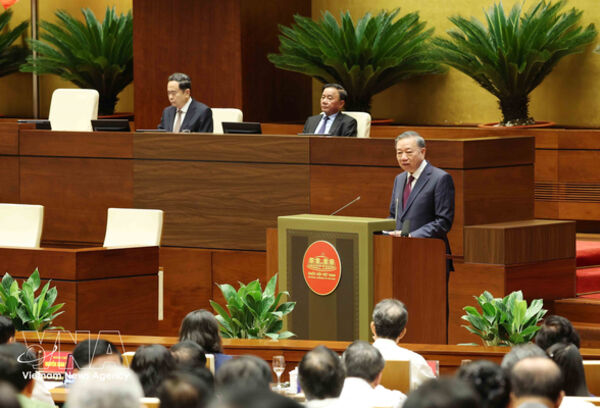
| Party General Secretary and State President To Lam speaks at the ceremony to mark the 50th anniversary of Saigon-Gia Dinh city being officially named after President Ho Chi Minh. (Photo: VNA) |
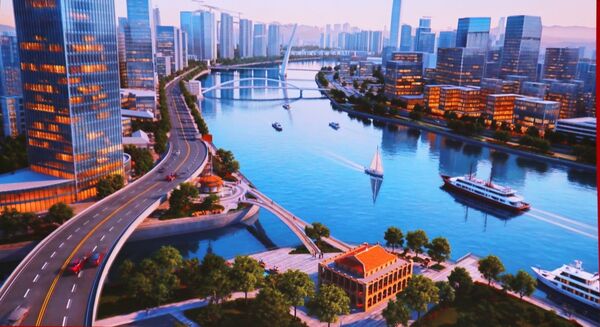
The Party and State leader noted that following its 2025 administrative merger with Ba Ria-Vung Tau and Binh Duong provinces, the city now enjoys a broader development space, greater potential and higher governance requirements. The new Ho Chi Minh City, he said, possesses significant advantages as a centre for finance, commerce, services, innovation, high technology, logistics, tourism and maritime industries, supported by a large and highly skilled workforce.
To realise its ambitions, the city must embrace new thinking, institutions, infrastructure and governance models, while fostering a contingent of capable and responsible officials, he said. Policies must be implemented promptly and effectively, with clear accountability at every level.
The top leader urged the city to continue building a clean, strong and action-oriented political system, accelerate administrative reform and digital transformation, and make full use of its special mechanisms and policies.
He also stressed the need to fundamentally transform the growth model, with science and technology, innovation, digital transformation, the green economy, the circular economy and the data economy serving as key growth drivers. He called on the city to accelerate the development of an international financial centre, high-tech industries, logistics, the maritime economy, tourism, healthcare, education and cultural industries; and foster a favourable environment for private enterprises to expand, start-ups to thrive, and young people to contribute more to the city's development.
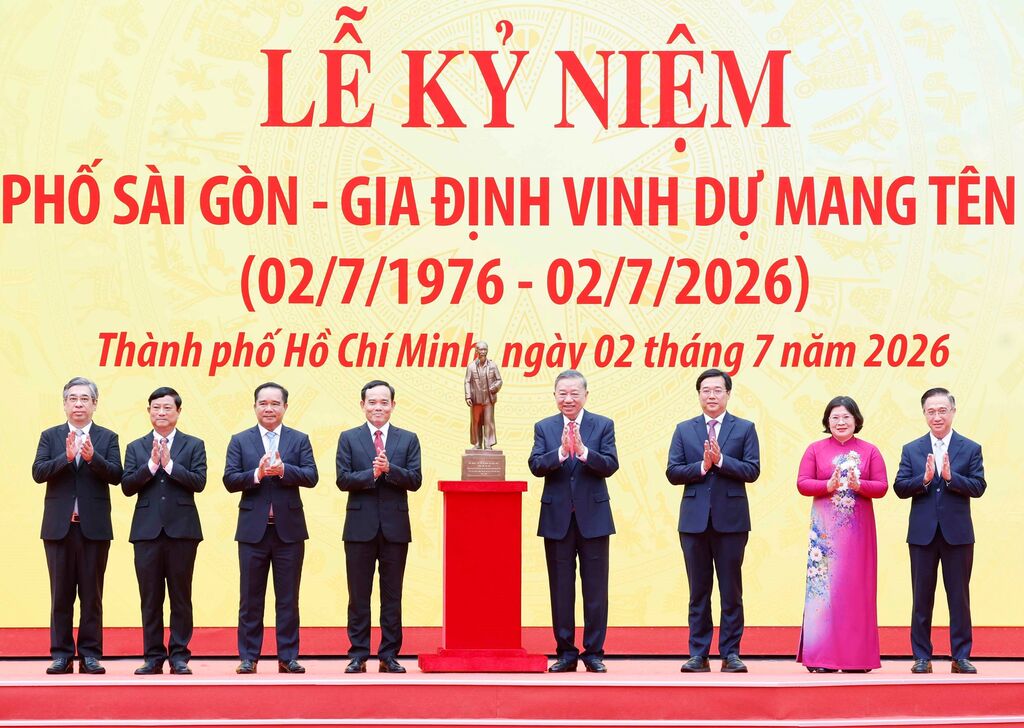 |
| Party General Secretary and State President To Lam presents a statue of President Ho Chi Minh to the Party Organisation, authorities and people of Ho Chi Minh City. (Photo: VNA) |
At the same time, General Secretary and President Lam underscored that improving people’s living standards must remain the ultimate goal and most meaningful measure of development. Residents should benefit from safer living conditions, better transport, improved healthcare and education services, more affordable housing and expanded green spaces, he said.
Recalling President Ho Chi Minh’s enduring affection for southern Vietnam, reflected in his famous statement that “the South is always in my heart,” the Party and State leader said the city bearing his name has both the honour and responsibility to strive for greater achievements. He expressed his confidence that Ho Chi Minh City will continue its rise as a modern, civilised and compassionate metropolis, making increasingly important contributions to the nation’s development in the decades ahead.
Prior to the ceremony, General Secretary and President Lam and other leaders offered flowers in tribute to President Ho Chi Minh at the Ho Chi Minh Monument Park, paying respect to the late leader’s immense contributions to national liberation, reunification and national development./.