Traditional attire reflects Cham Muslim cultural identity
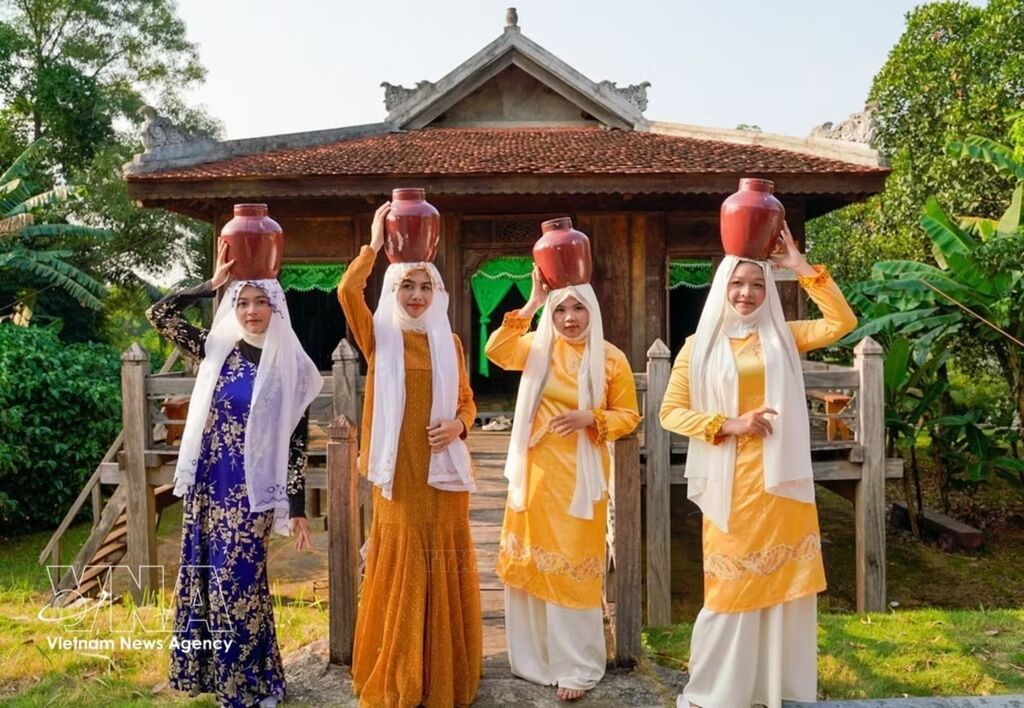
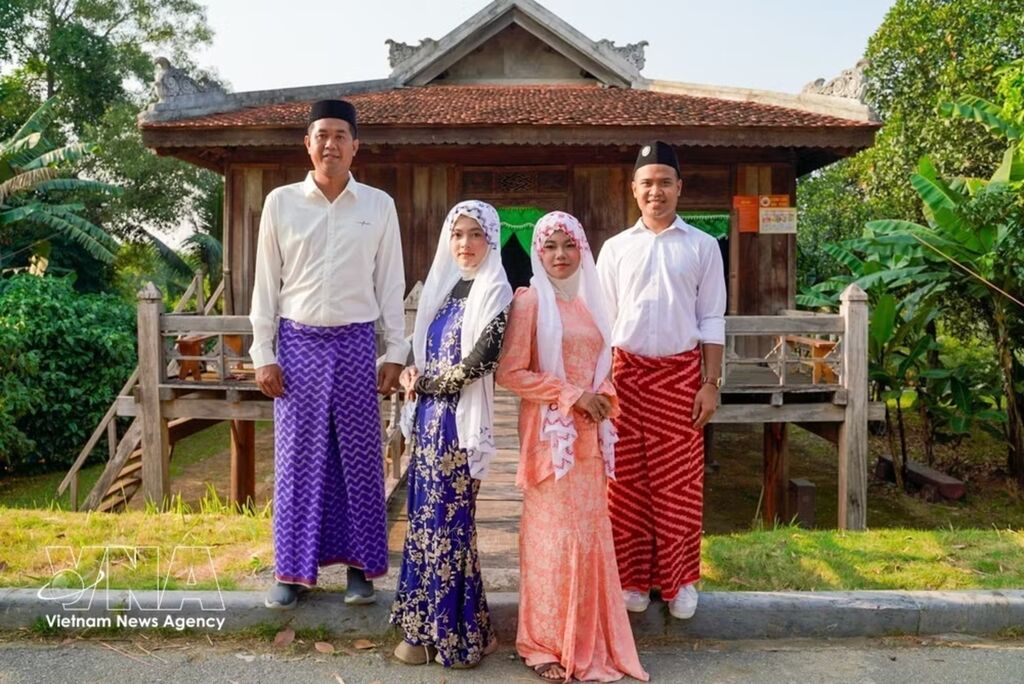
The Cham, one of Vietnam’s 54 ethnic groups, have a rich cultural heritage, with Muslim communities concentrated in An Giang province and other southern localities. Their traditional clothing, distinguished by diverse styles, colours and fabrics, reflects Islamic beliefs, modesty and aesthetics while preserving a cultural identity passed down through generations.
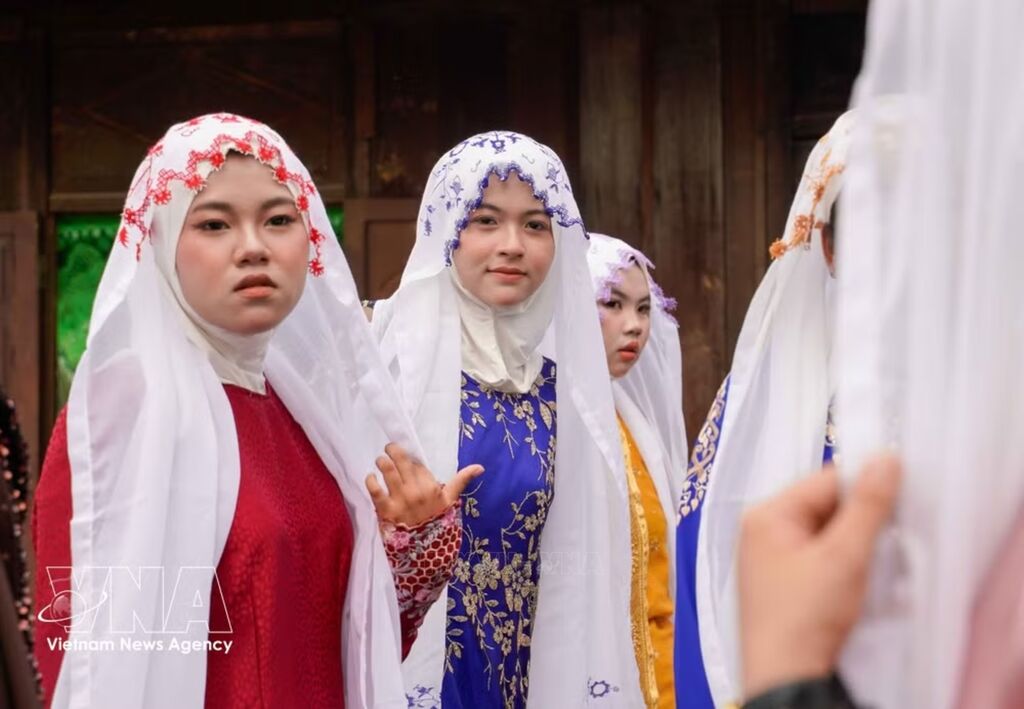
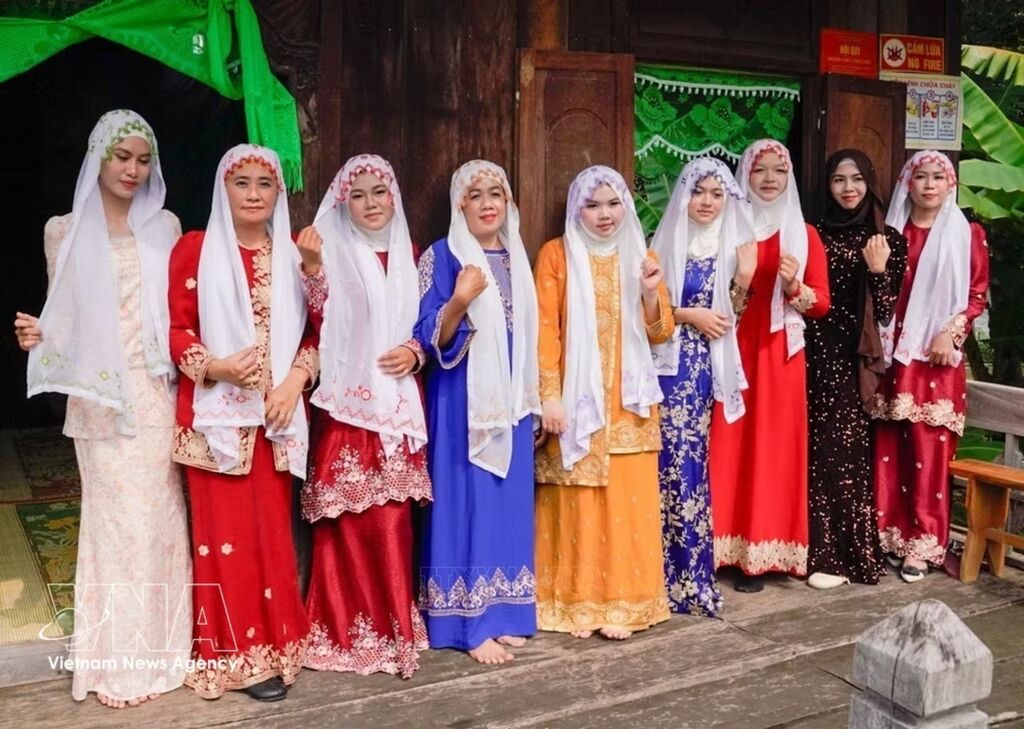
Traditional attire plays an important role in shaping the distinct cultural identity of the Cham Muslim community. (Photo: VNA)
Traditional attire plays an important role in shaping the distinct cultural identity of the Cham Muslim community. (Photo: VNA)
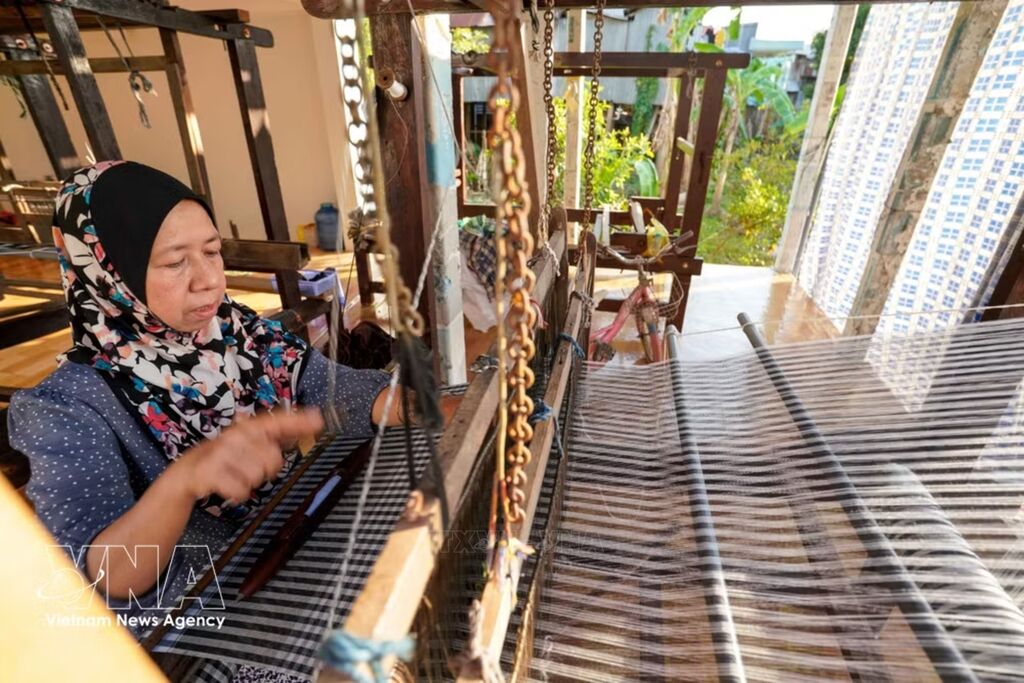
Traditional weaving helps create garments that reflect the distinctive cultural heritage of the Cham Muslim community. (Photo: VNA)
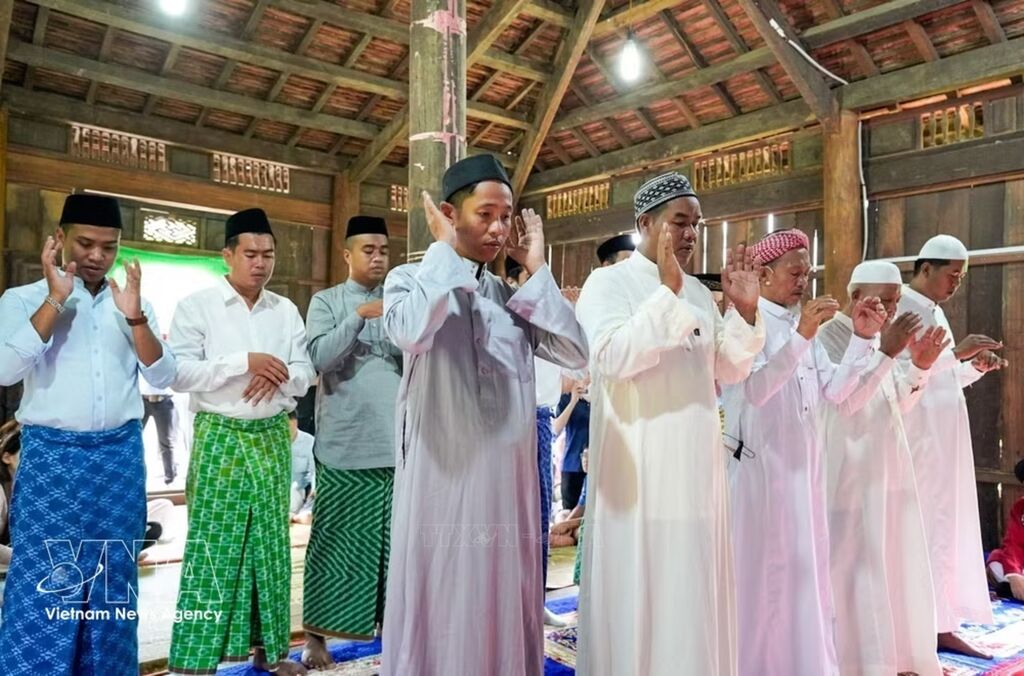
Cham Muslim religious leaders traditionally wear long, modest garments suited to the solemn nature of religious ceremonies. (Photo: VNA)
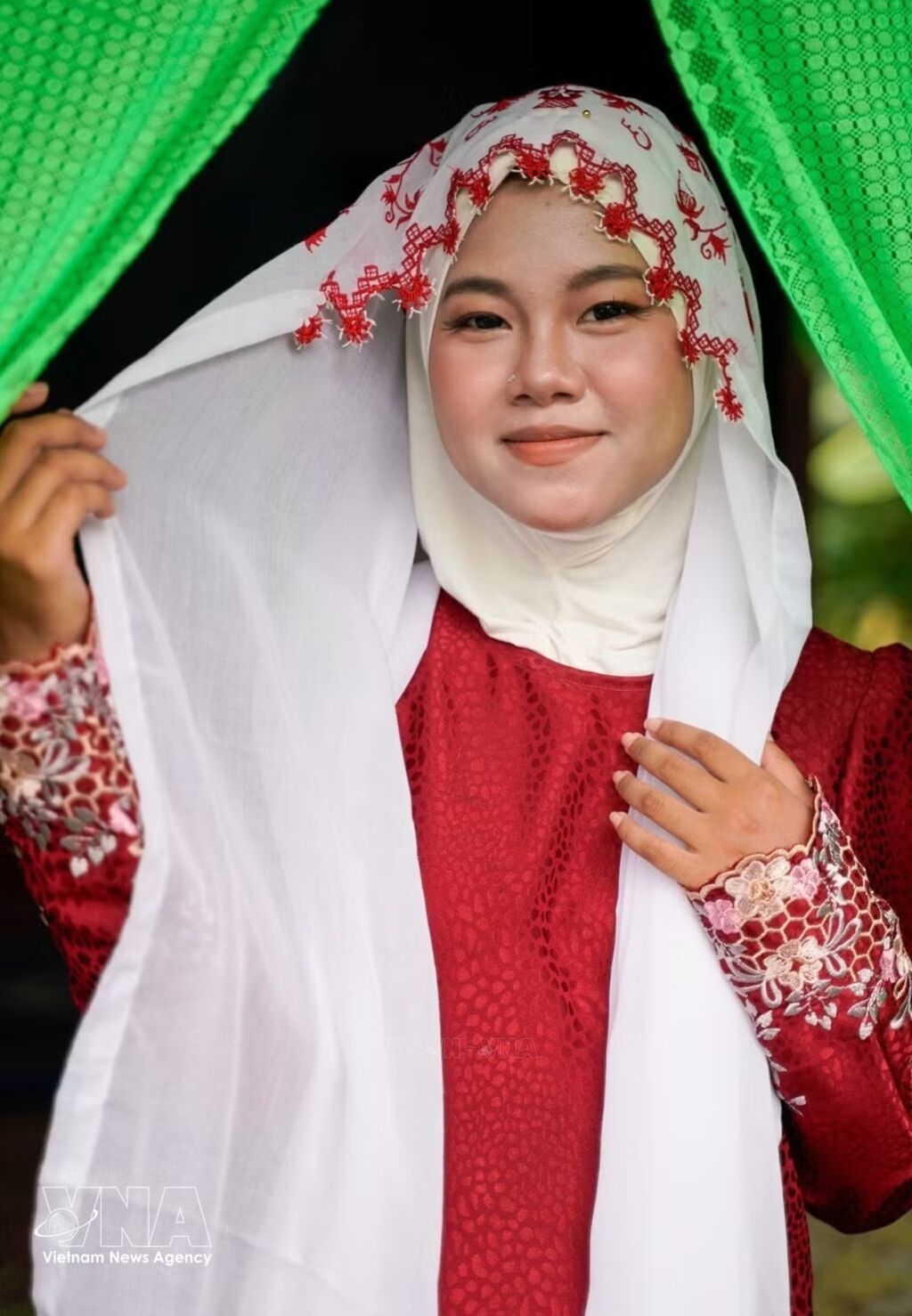
Headscarves featuring embroidered patterns and decorative borders enhance the elegance of Cham Muslim women. (Photo: VNA)
Cham Muslim women wear brightly coloured traditional long dresses during festivals and wedding ceremonies. (Photo: VNA)
A young Cham Muslim woman in traditional attire. (Photo: VNA)
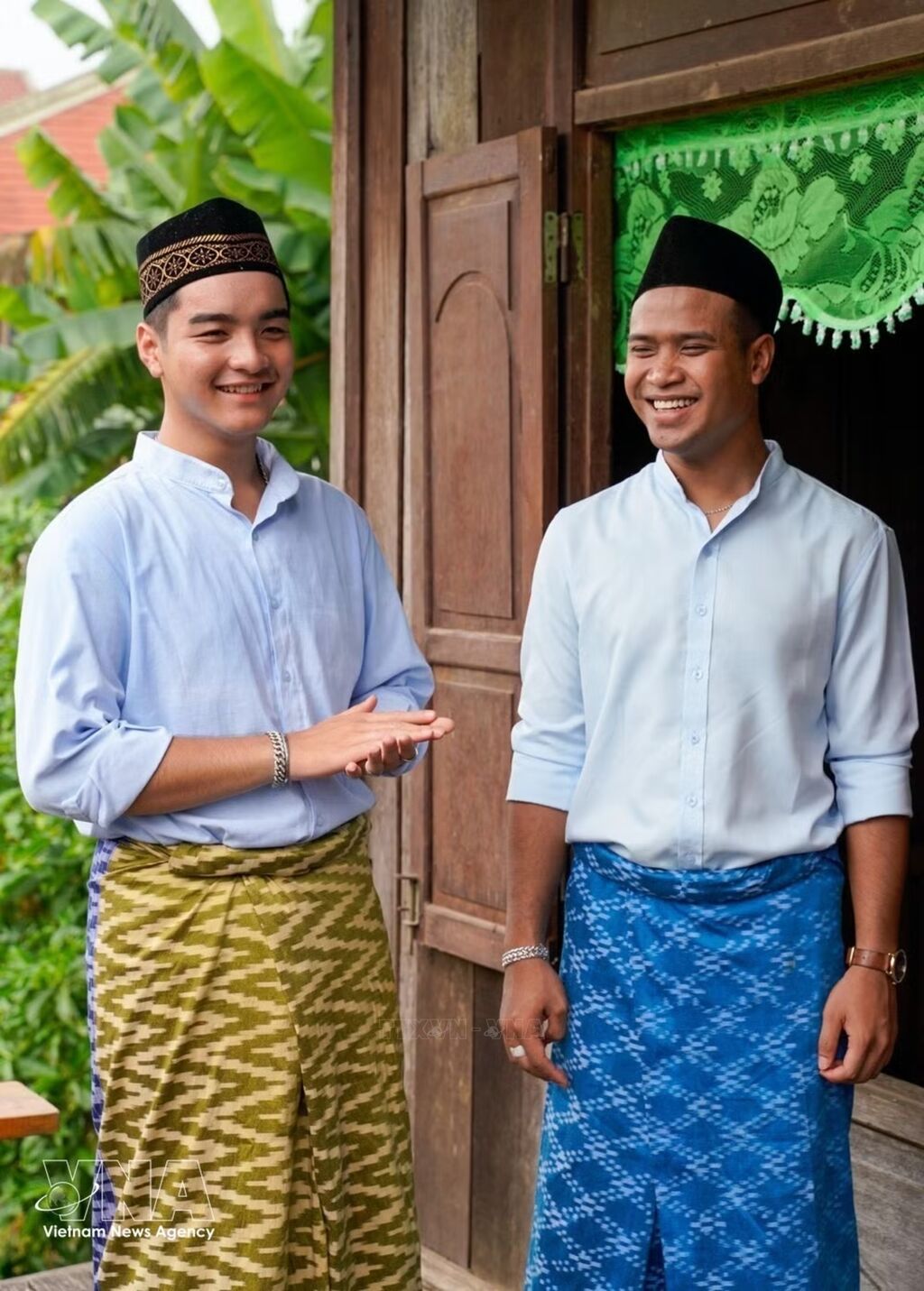
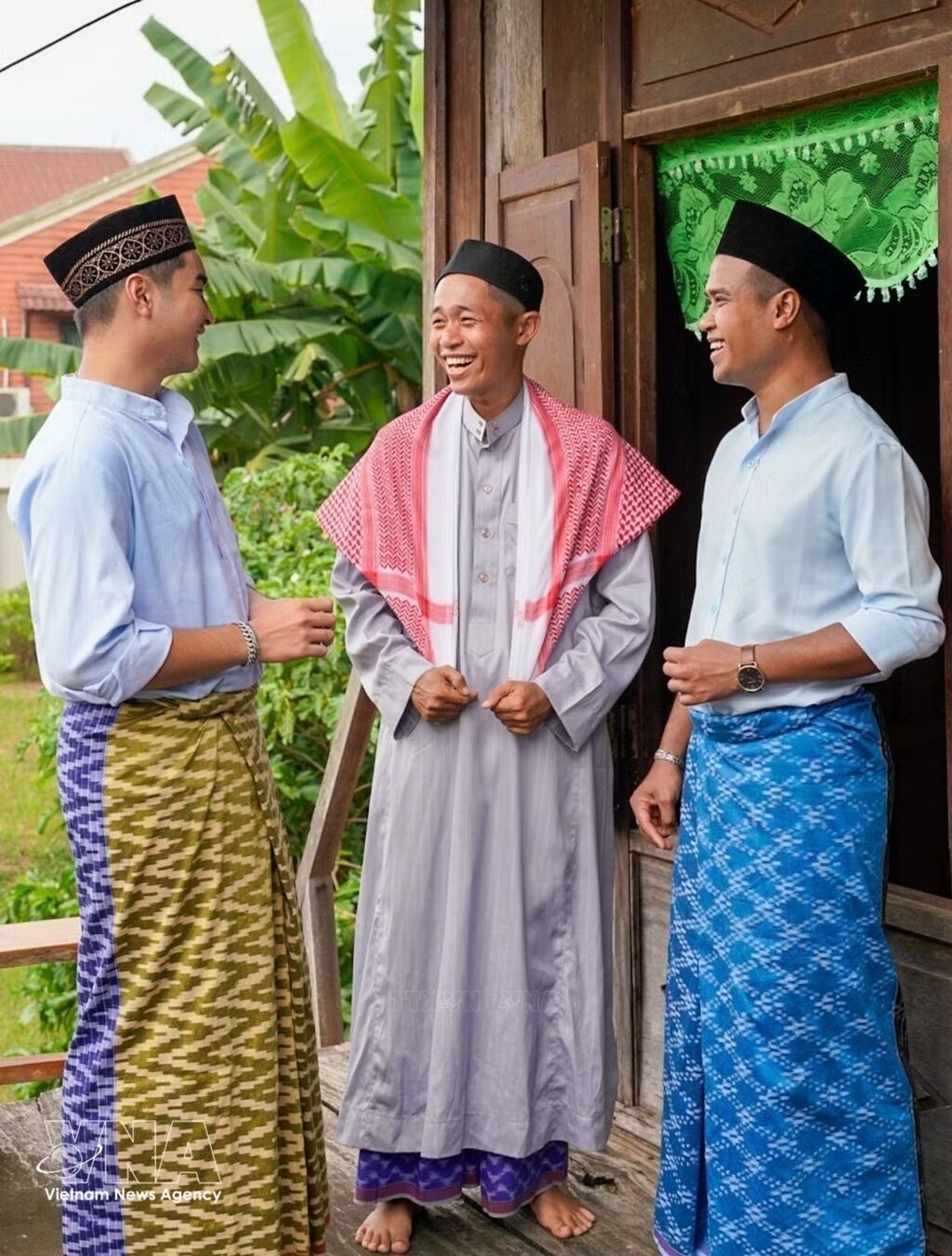
On major religious occasions, Cham Muslim men traditionally wear shirts paired with sarongs, reflecting a sense of formality and respect. (Photo: Khanh Hoa – VNA)
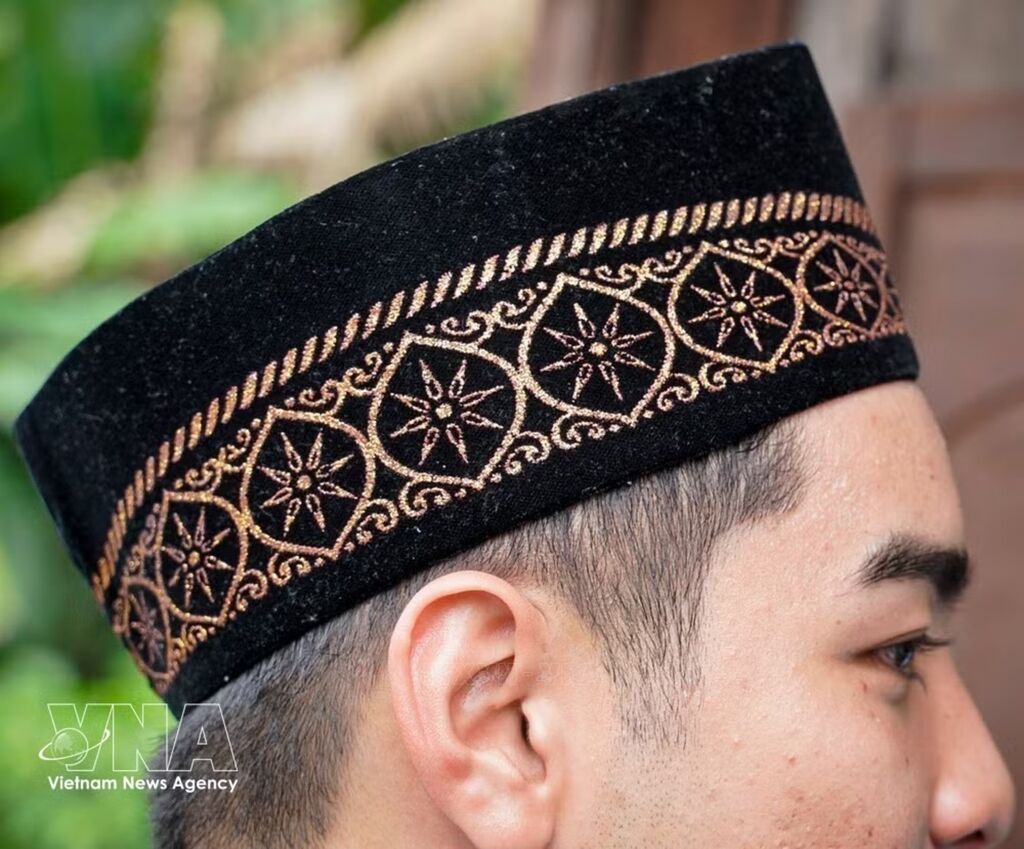
Kapeak, a brimless cap, is a familiar part of traditional Cham Muslim men's attire, closely associated with the community's way of life and religious beliefs. (Photo: VNA)
Traditional attire plays an important role in shaping the distinct cultural identity of the Cham Muslim community. (Photo: VNA)
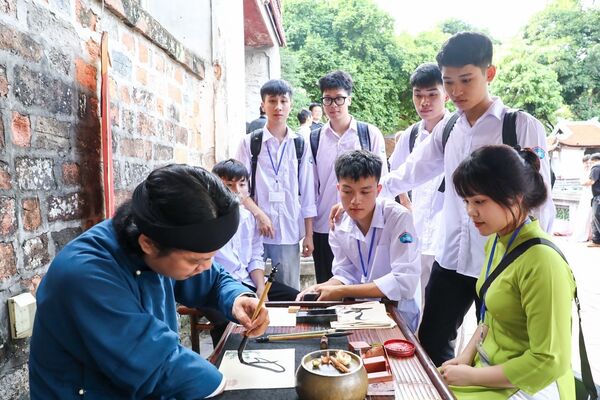
The Temple of Literature, a symbol of Vietnam’s longstanding tradition of valuing education and respecting teachers, helps promote the country’s cultural identity and strengthen international exchange, according to an Indian scholar who has worked with Vietnamese partners for more than a decade.
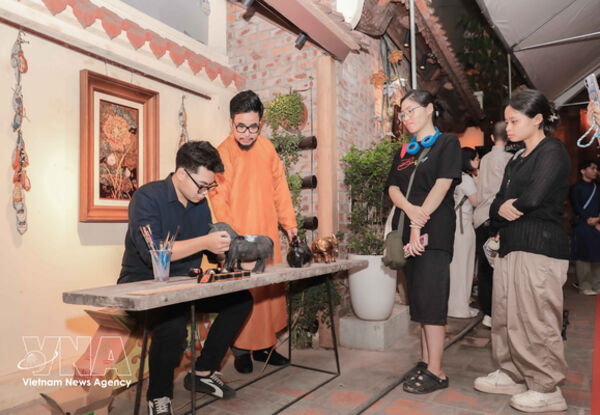
An exhibition featuring handicrafts from traditional villages and offering visitors opportunities to explore Vietnamese cultural heritage has opened at the Ho Guom Cultural Information Centre in Hanoi, as part of activities marking Vietnam Cultural Heritage Day (November 23) and Vietnam Culture Day (November 24).
Speaking at the final, Editor-in-Chief of the Tien Phong newspaper and head of the Miss Vietnam 2026 organising board, journalist Phung Cong Suong, stressed the contest’s nearly four-decade record of honouring the beauty of Vietnamese women across generations.
In his opening speech, Standing Vice Secretary of the provincial Party Committee and head of the provincial National Assembly delegation U Huan said the festival carries deep political, diplomatic and people-to-people significance and is becoming a traditional fixture.
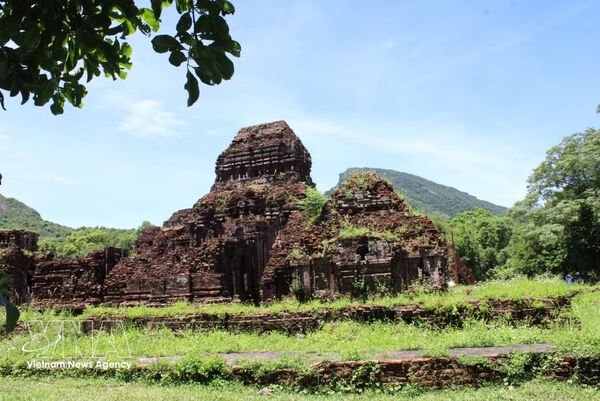
My Son World Cultural Heritage Site is strengthening international cooperation in restoration while expanding digital applications and green tourism products. The efforts aim to preserve the site's original values, improve visitor experiences and support sustainable tourism development.
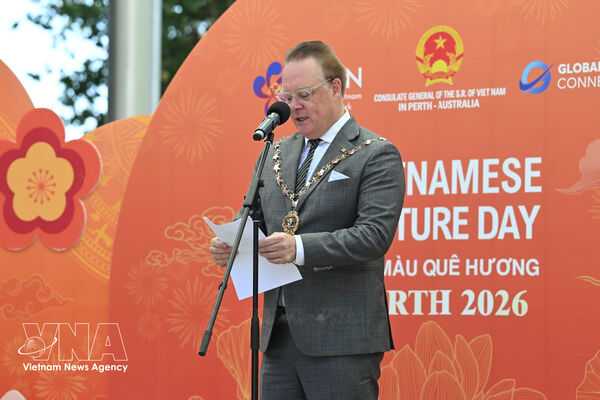
Vietnamese Consul General in Perth Pham Hai Anh called on the Vietnamese community there to preserve the language, family traditions and national values, actively promote Vietnamese culture internationally and encourage creativity to bring national culture closer to the world while harmonising tradition with modernity.
Trinh Quoc Dat, Chairman of the Vietnam Craft Village Association, said craft hubs with strong production, market access and decent incomes tend to attract young workers. Bat Trang commune draws labour from nearby areas, and some families send children to study ceramics before they return to develop the craft and study new designs and glaze lines.
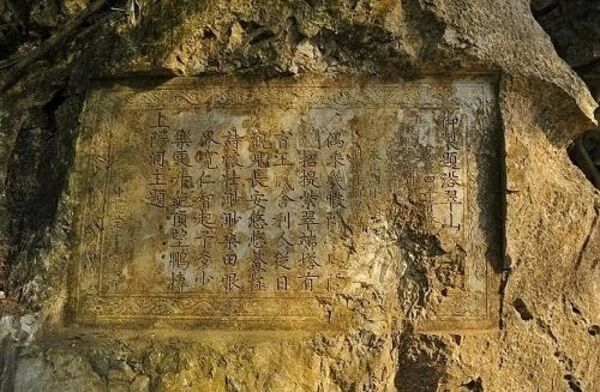
The recognition highlights the historical, cultural and documentary values of the two collections while acknowledging Vietnam's contributions to preserving and sharing the common heritage of the Asia-Pacific region as well as the world.
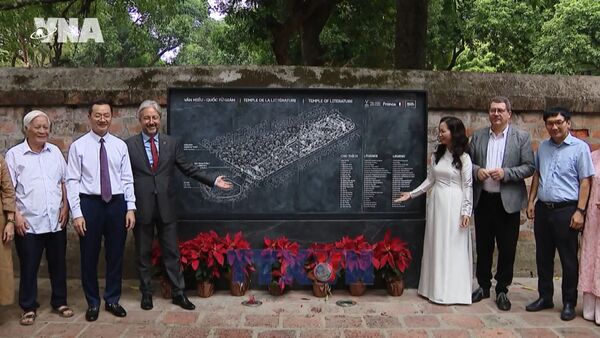
The Temple of Literature - Quoc Tu Giam has introduced a new site map and visitor leaflets to help visitors navigate its historic grounds and better understand its history, architecture and cultural values.