Traditional festivals - Strategic resources driving tourism development
Across many localities, festivals are evolving beyond traditional cultural gatherings into drivers of heritage-based economic development. This transformation both preserves cultural values and enhances the competitiveness of local tourism destinations.
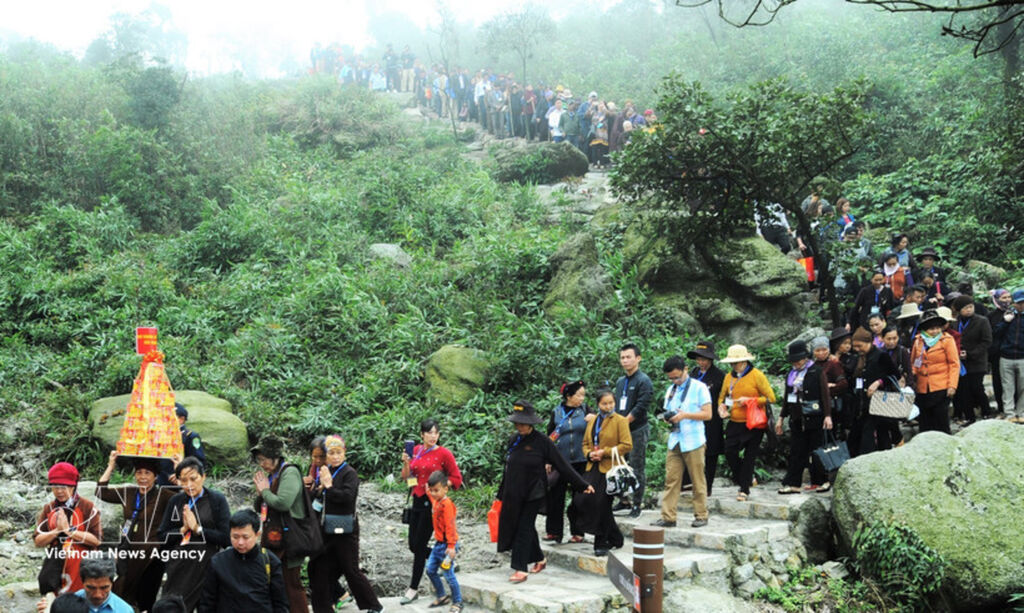
Visitors joining Tay Yen Tu Festival (Photo: VNA)

Hanoi (VNA) - Beyond offering opportunities for people to reconnect with their roots and experience distinctive historical and cultural values, traditional festivals are emerging as strategic resources that promote tourism and support local economic growth.

Running from February 18 to May 11, the Huong Pagoda Festival in Hanoi has drawn large crowds. On the opening day alone, tens of thousands of visitors arrived despite cold and rainy weather. Earlier, from the first to the fifth day of the Lunar New Year, the site welcomed nearly 136,000 visitors, up 138% year-on-year.

The Giong Festival at Soc Temple in Hanoi drew over 45,000 people during its three main days, while the Yen Tu Historical Complex in Quang Ninh welcomed more than 60,000 pilgrims in just three days after opening. Meanwhile, the Ba Chua Xu Festival at Nui Sam in An Giang province, now in its second year since being recognised by UNESCO as a Representative Intangible Cultural Heritage of Humanity, is expected to attract millions of visitors.

These figures highlight the growing appeal of festivals and their contribution to increasing visitor numbers and tourism revenues. Alongside more professional and orderly organisation, a shift in mindset among local cultural authorities - viewing festivals not only as spiritual practices but also as cultural tourism products - has significantly enhanced their attractiveness.

Interactive heritage tours and experiential activities are becoming key highlights. At the Con Son – Kiep Bac Spring Festival 2026 in Hai Phong, upgraded tourism routes have helped boost visitor numbers, with nearly 138,000 arrivals recorded between February 26 and March 8, up 30% year-on-year. New initiatives, including night tours and themed art performances at the Giong Festival and upcoming Hung Kings Temple Festival in Phu Tho, are also creating fresh visitor experiences.

Across many localities, festivals are evolving beyond traditional cultural gatherings into drivers of heritage-based economic development. This transformation both preserves cultural values and enhances the competitiveness of local tourism destinations.

According to UN Tourism, festival tourism contributes more than 50 billion USD annually to Asian economies and over 200 billion USD worldwide. With more than 8,000 festivals, most linked to historical sites and long-standing cultural heritage, Vietnam holds significant potential to develop this tourism segment. National tourism strategies and cultural development policies have identified festival tourism as a priority direction, underscoring its importance for both cultural preservation and economic growth.

Despite positive results, only a limited number of festivals have been effectively upgraded. Many still lack distinctive highlights, while overcrowding during peak periods contrasts with low visitor numbers at other times. The overall ecosystem of festival tourism products remains underdeveloped, limiting longer visitor stays and higher tourism revenues.

Nguyen Van Tai, Director of Vietsense Travel, stressed the need for selective investment rather than widespread, uncoordinated development. Authorities should prioritise festivals with outstanding cultural value and strong tourism connectivity, while using festivals as catalysts linked with entertainment, cuisine, accommodation and experiential services to extend visitor stays.

From a research perspective, Pham Hai Quynh, Director of the Asian Tourism Development Institute, noted that many festivals lack a distinctive identity. He called for a shift from administrative management to visitor experience management, incorporating storytelling and digital technologies such as QR codes and virtual reality to deepen engagement, particularly among international visitors.

He also highlighted opportunities arising from administrative boundary adjustments, which could help connect heritage spaces and form thematic tourism routes. Although seasonality remains inherent, festivals can sustain vitality year-round through heritage experience spaces integrated with resort tourism, craft villages and culinary culture, ensuring both preservation and sustainable economic development./.
See Also

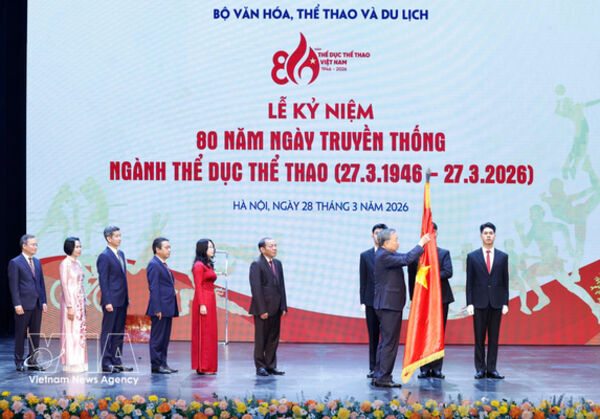
Party chief urges completion of institutional framework for modern sports development

Party General Secretary To Lam said the Ministry of Culture, Sports and Tourism, the sports sector, ministries, agencies, the Vietnam Fatherland Front, mass organisations, local authorities, schools, businesses and society as a whole must urgently complete the institutional framework for sports development in a modern and synchronised direction to pave the way for long-term progress.

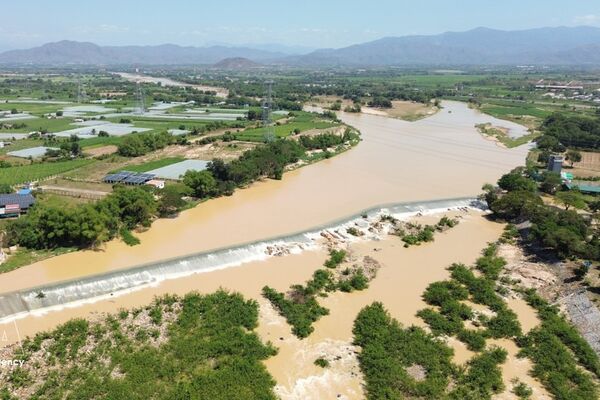
Unique Cham irrigation work in central Vietnam

Built in My Son commune, Khanh Hoa province, Nha Trinh weir is a distinctive example of the Cham people’s traditional irrigation practice of diverting water into fields, dating back to around the 12th century.

Ceremony marks 95th Anniversary of Ho Chi Minh Communist Youth Union

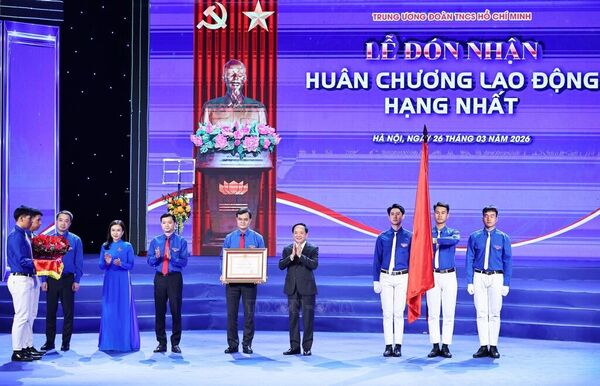
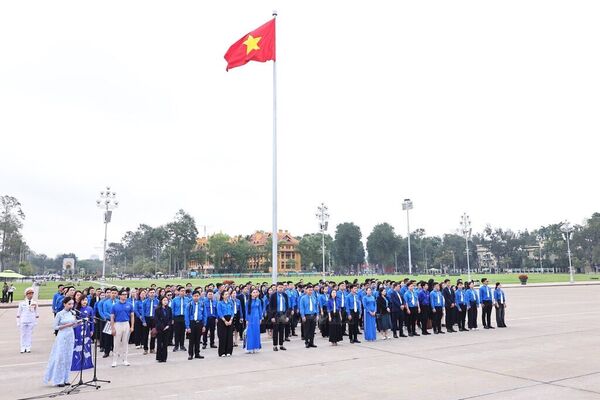
The Secretariat of the Ho Chi Minh Communist Youth Union Central Committee held a ceremony marking the 95th anniversary of the Union (March 26, 1931 – March 26, 2026) and presenting the 2026 Ly Tu Trong Awards in Hanoi on March 26, 2026. Politburo member, Secretary of the Party Central Committee and Head of the Party Central Committee's Commission for Information, Education and Mass Mobilisation Trinh Van Quyet attended the event. Photo: VNA

Century-old flower village with unique cultivation technique

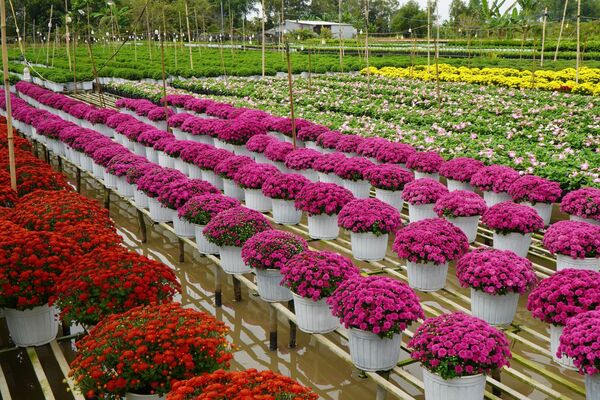
Sa Dec Flower Village in the Mekong Delta province of Dong Thap has developed over hundreds of years. What makes this long-established flower village unique is that farmers grow flowers and ornamental plants on high racks rather than directly in the soil. This traditional cultivation method, adapted to local natural conditions, helps reduce production costs and has been maintained across generations, becoming a defining feature of Sa Dec Flower Village.

Dynamic and creative Youth Union Secretary in digital transformation era

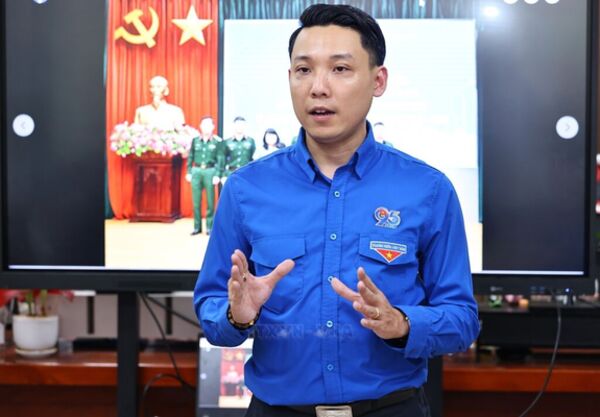
With a strong sense of responsibility, dynamism and creativity, Dang Thanh Tu, Secretary of the Youth Union and Chairman of the Young Pioneers Council of Hoan Kiem Ward (Hanoi), has made many outstanding contributions to Youth Union work and youth movements. He has introduced practical initiatives, notably “Hoan Kiem youth promoting their pioneering role in digital transformation,” focusing on improving digital awareness and skills among members, integrating digital transformation into the study of Party resolutions, and enhancing communication on digital platforms through modern products. With remarkable achievements, a high sense of responsibility and an innovative mindset, Dang Thanh Tu stands out as a typical young figure, helping to spread the image of Youth Union officials who are resilient, pioneering and creative in the digital transformation era. Photo: Minh Duc – VNA

Hanoi strictly handles violations of railway crossing barriers

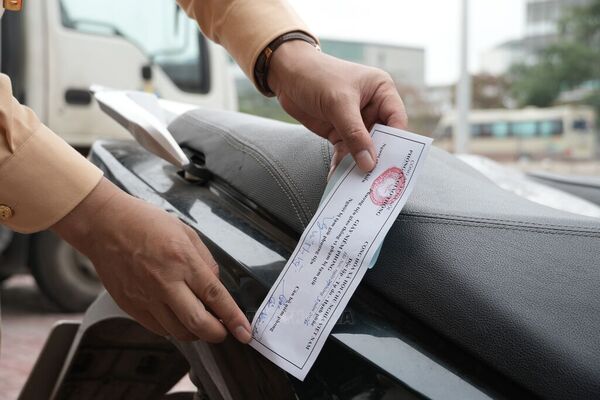
Recently, there have been cases of road users deliberately crossing railway intersections when the red light is on and barriers are being lowered, posing potential risks of traffic accidents. To ensure railway traffic safety, Hanoi traffic police have strengthened patrols and inspections, coordinated with local police, and strictly handled violations. Photo: Hung Manh – VNA

Vietnamese youth steadfast under the Party’s flag

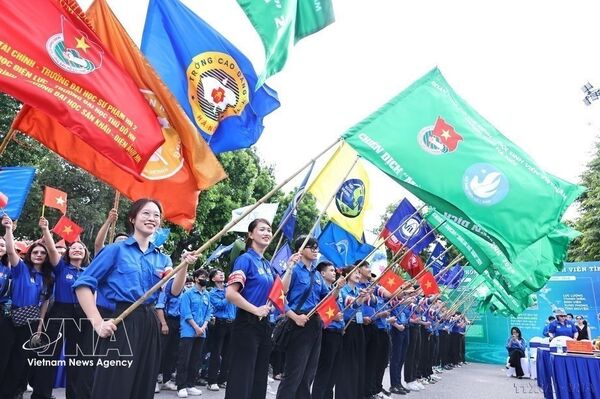
The 95th anniversary of the Ho Chi Minh Communist Youth Union (March 26, 1931 – March 26, 2026) marks not only a proud historical milestone but also an occasion to reflect on the dedication, growth and contributions of generations of Vietnamese youth. Under the Party’s leadership, the Union has continuously grown into a pioneering force across all fronts, from production and study to innovation and national defence.

Bringing youth members to cultural venues

On the morning of March 24, 2026, the Ho Chi Minh Communist Youth Union of the Ministry of Culture, Sports and Tourism, in coordination with youth unions of the Vietnam News Agency, the Ministry of Foreign Affairs, Vietnam Electricity, and the State Capital Investment Corporation, organised a series of activities marking the 95th anniversary of the Ho Chi Minh Communist Youth Union (March 26, 1931 – March 26, 2026), and launched the programme “Bringing youth members to cultural venues” at the Vietnam National Traditional Theatre with the theme “Proud of 95 years of tradition, youth spreading national cultural values.” Photo: Minh Duc – VNA

Second political writing contest on protecting the Party’s ideological foundation launched

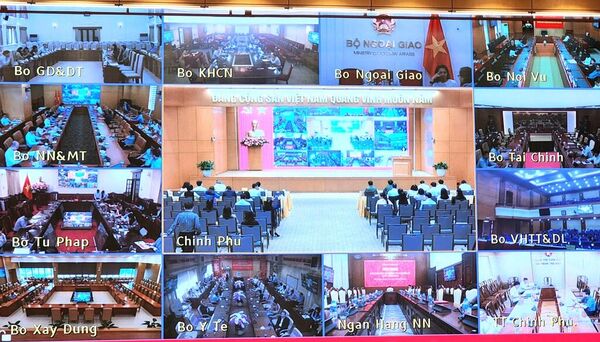
On the morning of March 24, 2026, the Government Party Committee launched the second political writing contest on protecting the Party’s ideological foundation within the Government Party Committee in 2026, while disseminating the Action Programme of the Executive Committee of the Government Party Committee to implement the Resolution of the 14th National Party Congress. The conference was held both in person and online, connecting 112 venues. Photo: Chu Thanh Van – VNA