Vietnam advances people-centred policies to turn happiness into measurable outcomes
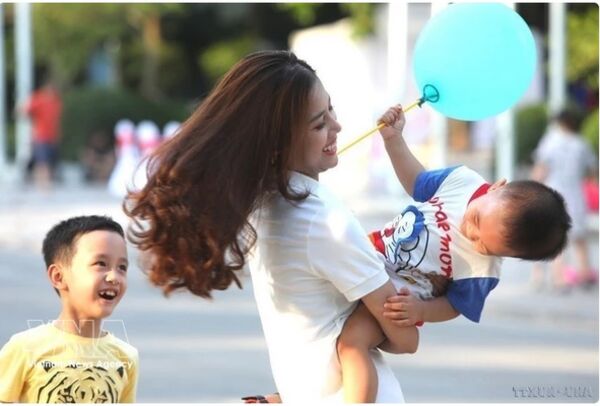
Vietnam climbed to the 46th place in the World Happiness Report 2025, its highest position since the ranking was introduced in 2012.
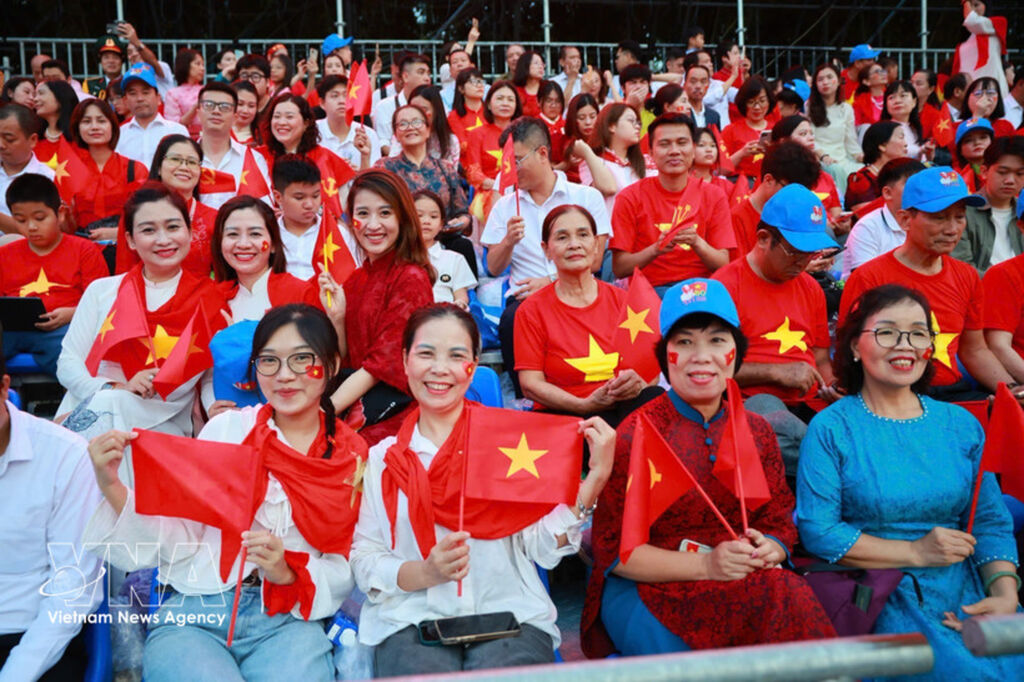
A large crowd of people attend the rehearsal parade of the A80 event. (Photo: VNA)

Hanoi (VNA) - Since the Prime Minister approved a project in 2013 to organise annual activities marking the International Day of Happiness, Vietnam has implemented synchronised social security policies that have steadily improved living standards. Development strategies have increasingly placed people at the centre, focusing on well-being and satisfaction rather than purely economic indicators.

During the 2020–2025 period, with the guiding principle of “leaving no one behind,” the Party issued Resolution No. 42-NQ/TW on reforming and enhancing the effectiveness of social policies, Resolution No. 71-NQ/TW on breakthroughs in education and training, and Resolution No. 72-NQ/TW on strengthening public health protection and care. These efforts have helped Vietnam achieve notable progress in global rankings

Vietnam climbed to the 46th place in the World Happiness Report 2025, its highest position since the ranking was introduced in 2012. The country rose eight places from 2024, 19 from 2023, and 50 compared to its 96th position in 2016. The improvement reflects not only higher living standards but also growing social trust, stability, and more positive public perceptions.

However, behind these gains, happiness remains a deeply personal and varied experience.

For many workers, it is rooted in stability and security. Nguyen Thi Hanh, a garment worker in central Da Nang city, said happiness means having a stable job, a reliable childcare facility, and time to rest. A ride-hailing driver, Tran Van Dung, described it as being able to work smoothly and safely without heavy congestion. For Le Thi Lan, a patient undergoing treatment for a chronic illness, happiness lies in accessible healthcare, shorter waiting time, and affordable medical costs.

These perspectives highlight that happiness is not abstract but closely tied to everyday needs such as employment, healthcare, mobility, and safe living conditions. Beyond material factors, mental well-being is also gaining attention, as work pressure, fast-paced urban life, and social isolation increase the need for balance and human connection.

Improving happiness indicators therefore requires not only sustained economic growth but also higher-quality development. Economically, efforts should focus on creating sustainable jobs and raising real incomes, particularly for low-income groups. Social housing programmes must be integrated with essential services such as schools, healthcare, and cultural facilities.

Culturally, promoting healthy lifestyles and community engagement, alongside stronger mental health support, is essential. In the social sphere, enhancing public service quality remains critical, including reducing hospital overcrowding, improving education quality, and expanding public transport systems to ease congestion.

Such goals demand coordinated actions from authorities at all levels and must translate into measurable outcomes. More efficient transport networks, better-designed worker housing, less congested hospitals, and streamlined administrative procedures are the key to improving daily life and strengthening people’s sense of security.

Looking ahead, the 14th National Party Congress has set a target for Vietnam to rank among the world’s top 40 countries in the happiness rankings by 2030.

This ambition is underpinned by national strategies that prioritise quality of life, including adjustments to the national master plan for 2021–2030 with a vision to 2050. Key directions include strengthening social security, expanding healthcare and education, and raising the Human Development Index (HDI) to around 0.8 alongside higher per capita income.

Environmental protection has been identified as an urgent priority, with plans aimed at maintaining a green, clean, and culturally rich living environment, improving disaster forecasting and climate monitoring, and enhancing risk management to safeguard people’s lives.

The Resolution of the 14th National Party Congress outlined the development orientation of the country for the 2026-2030 period, underlining the need to continue renewing mindset and action, promoting development to ensure stability, and using stability as a foundation for further development and improving people’s living standards and happiness./.
See Also

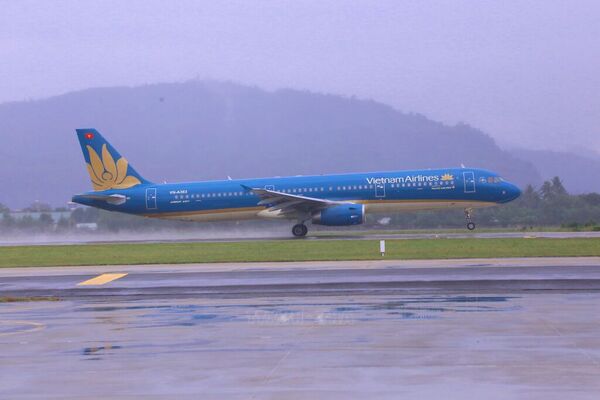
Da Nang Int’l Airport named among world’s best

Skytrax has ranked Da Nang International Airport in the central city of Da Nang of Vietnam 75th among the world’s Top 100 airports in 2026, up nine places from 2025 and placing it among Asia’s top 10. Photo: Tran Le Lam – VNA

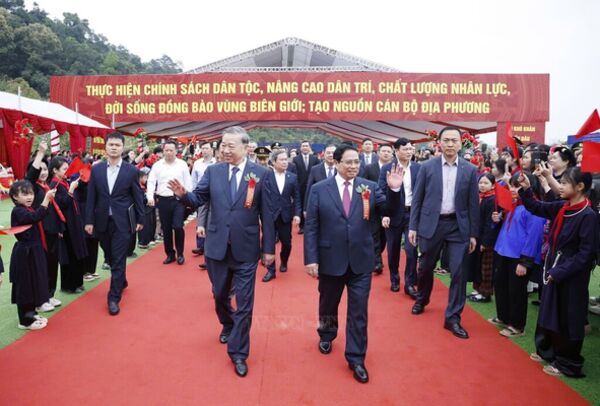
Party chief, PM attend groundbreaking ceremony for inter-level boarding schools

A grand groundbreaking ceremony for primary and secondary boarding schools in border communes was held on March 19 morning, with Party General Secretary To Lam and Prime Minister Pham Minh Chinh attending at the main venue in Dong Dang commune, the northern mountainous province of Lang Son. The hybrid event was co-hosted by the Ministry of Education and Training (MoET), state broadcaster Vietnam Television, telecom giants VNPT and Viettel, and authorities of 17 cities and provinces. VNA Photo

Happiness found in simple moments, strengthened by community, policy support

Since the United Nations designated March 20 as the International Day of Happiness, the global community has increasingly recognised that development is not solely about economic growth, but also about improving quality of life and inner well-being. With its strong emphasis on family and community, Vietnam has embraced this approach, underlining the importance of social policy, cohesion, and positive living.

Dao man devoted to preserving ethnic script and culture

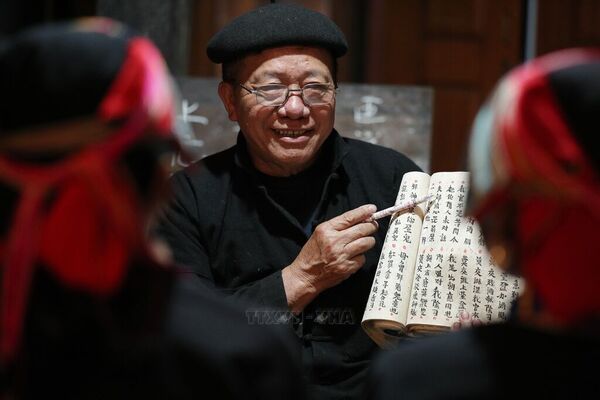
Ly Dai Thong, Head of the Committee of the Vietnam Fatherland Front of Nam Dam village in Quan Ba commune, Tuyen Quang province, has been a pioneer in preserving the Dao ethnic script and cultural traditions – an important part of the spiritual life of the Dao people closely associated with rituals such as the Cap Sac (Coming-of-Age) ceremony. Recognising the importance of cultural preservation, he has opened classes to teach the Dao script, traditional dances and musical instruments to younger generations. These classes not only help learners master the writing system but also gain deeper understanding of traditional rituals, thereby contributing to safeguarding the unique cultural heritage of the Dao ethnic group. With more than 26 years of Party membership, he has earned the community’s trust not only for his contributions to political work but also for his dedication to maintaining traditional cultural values. Photo: Minh Duc – VNA

T&T Group expands investment in energy and infrastructure in Quang Tri province

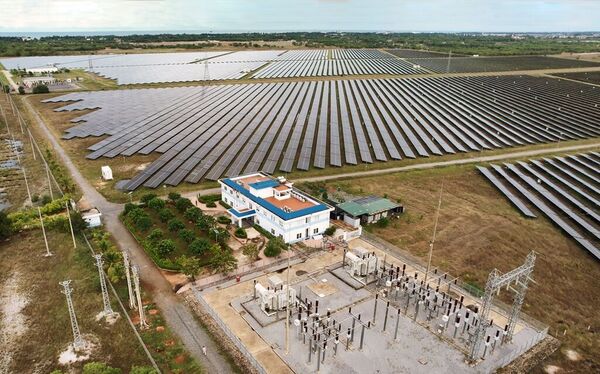
T&T Group is implementing a series of large-scale projects in Quang Tri province, focusing on energy and infrastructure development, including LNG-to-power, biomass power, wind power and solar power projects, along with the Quang Tri Airport project and logistics, urban and tourism systems, contributing to creating new growth drivers for the central region. Photo: Nguyen Linh – VNA

Sustainable fishing preserved around Cu Lao Cham Island

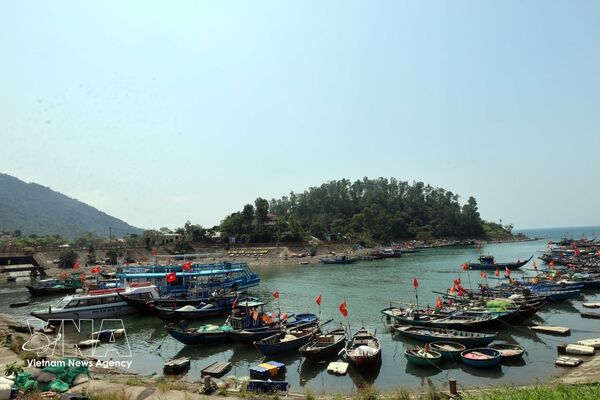
Cu Lao Cham Island in Tan Hiep commune, Da Nang city is recognised as a UNESCO World Biosphere Reserve, noted for its rich biodiversity and extensive coral reefs surrounding the island. Local residents use only small boats for daily fishing trips and often release rare marine species caught in their nets back into the sea, helping preserve the marine ecosystem.

Voter turnout hits 99.68% as of 23:23 on March 15

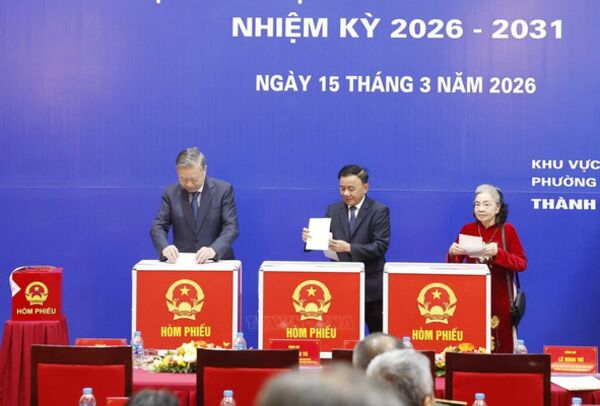
The election of deputies to the 16th National Assembly and People's Councils at all levels for the 2026-2031 term concluded completely at 21:00 on March 15, with a voter turnout of 99.68%, according to the Ministry of Home Affairs. As of 23:23 the same day, official data from the National Election Council showed that 76,188,544 voters had cast their ballots, representing nearly all registered voters. VNA Photo

Nationwide voting for 16th National Assembly, People’s Councils for 2026-2031 begins

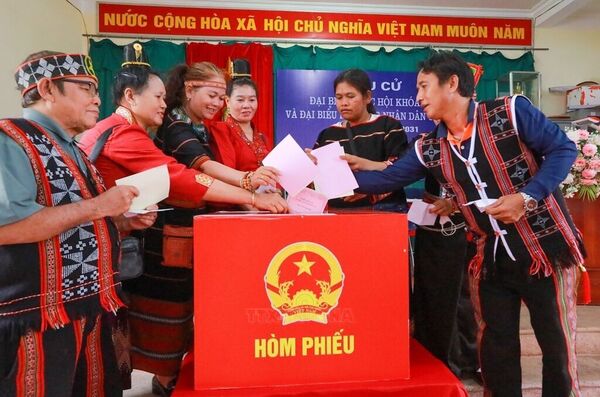
At exactly 7:00 a.m. on March 15, voters across the country enthusiastically headed to more than 72,000 polling stations, marking the start of the election of deputies to the 16th National Assembly and People’s Councils at all levels for the 2026-2031 term. Earlier, several polling stations had conducted early voting in accordance with the law due to local conditions. In this election, nearly 79 million voters nationwide will exercise their electoral rights and responsibilities. Photo: VNA