 |
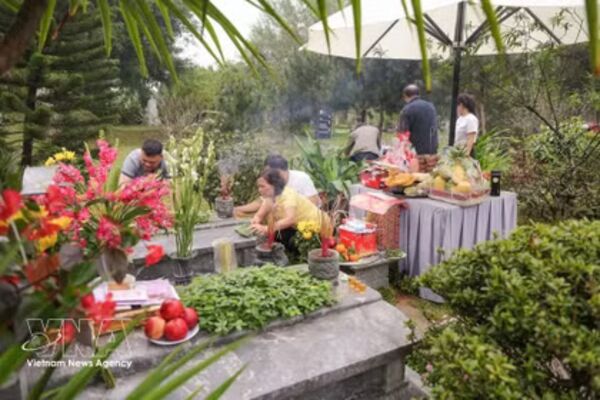
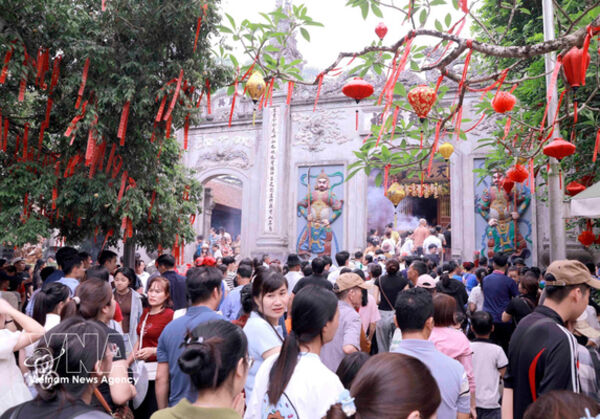
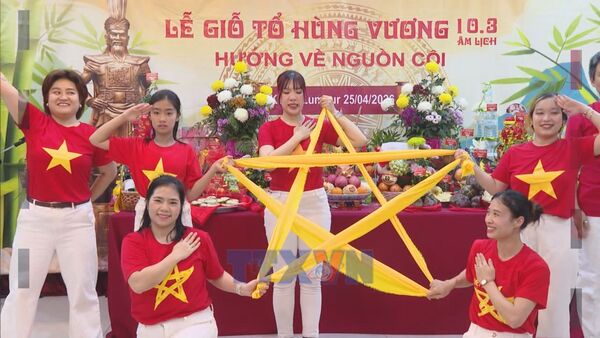
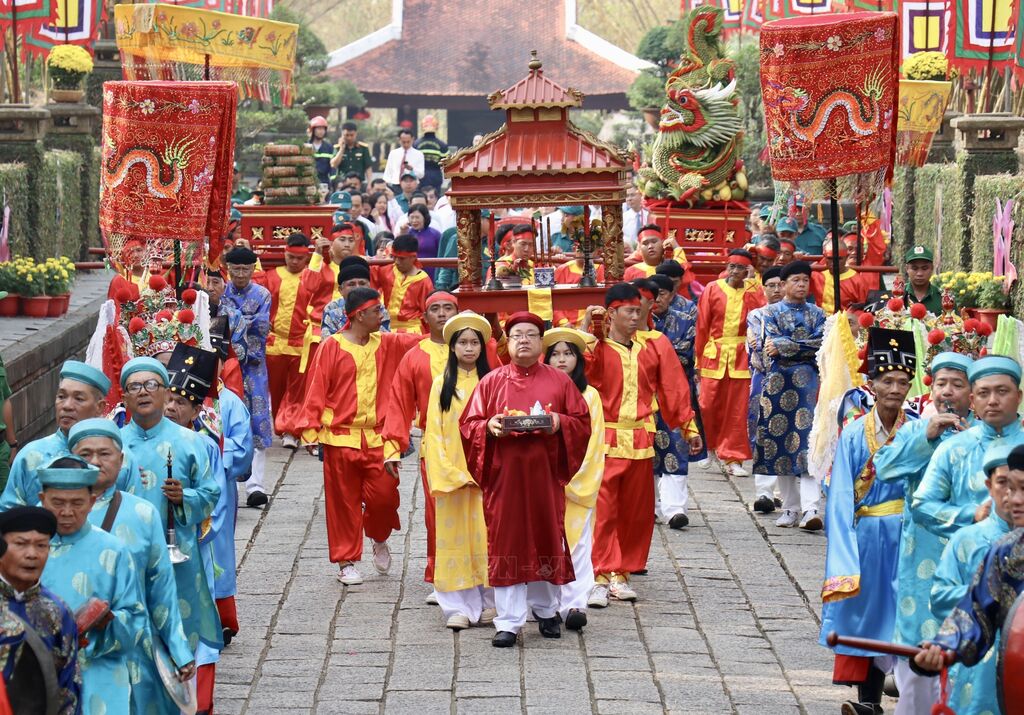
| Offering of cylindrical glutinous rice cakes to Hung Kings at Thuong Temple in Ho Chi Minh City (Photo: VNA) |
Hanoi (VNA) – The designation of November 24 as Vietnam Culture Day sends a message that goes well beyond creating another paid public holiday. At its core, it is a deliberate affirmation by the Party and State that culture must stand on equal footing with economy, politics and society in the national development strategy, said Assoc. Prof. Dr Bui Hoai Son.
Talking with the Vietnam News Agency, Son, who is also a National Assembly (NA) deputy representing Hanoi and full-time member of the NA Committee for Cultural and Social Affairs, said culture has long been described as the spiritual foundation of society, an internal strength, and a driver of development. Yet for that idea to truly take root in everyday life, it must be translated into concrete, visible, and tangible policies. Designating a day for the entire society to pause, reflect and engage with culture is a clear step in that direction.
The move carries broad significance, Son said. First, it establishes a national “spiritual rendezvous”, giving citizens a chance to reconnect with their cultural identity, family, community, traditions and the values that define Vietnamese character. In a fast-moving modern society dominated by work, consumption and technology, the day serves as a reminder that life requires more than labour, but it needs memory, belief, aesthetics, ethics and a sense of belonging to a community with a distinct identity.
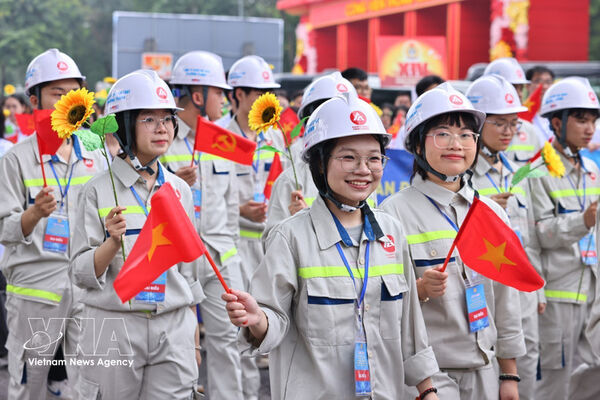
Second, if well organised, the holiday could broaden access to and enjoyment of culture for large segments of the population, particularly children, workers and those in remote or underserved areas who rarely visit theatres, museums, libraries, arts centres or creative spaces. Proposals to offer fee exemptions or reductions at public cultural and sports facilities signal a clear intent to bring culture closer to the public.
Over the longer term, the impact could reshape public perceptions, elevating culture from a “soft” or secondary concern to a genuine force that shapes human development, drives progress and bolsters national resilience.
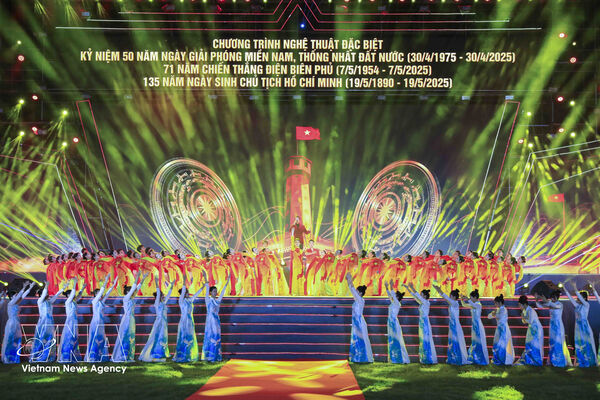
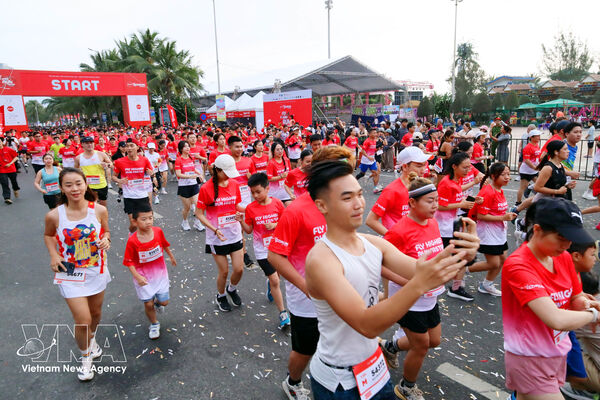
The risk, Son warned, is treating November 24 as just another day off. Without engaging, relatable and meaningful cultural content, the policy’s deeper purpose could quickly fade. To succeed, the day must avoid “administrativising” culture and instead focus on “socialising” cultural experiences. Citizens should be enabled to actively join and feel that culture is part of their daily lives, rather than watching formal ceremonies. NA discussions focused on the need to give the day real substance and community-wide impact, steering clear of empty formality.
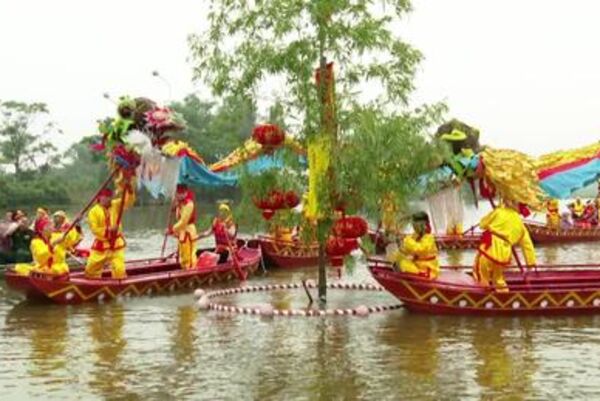
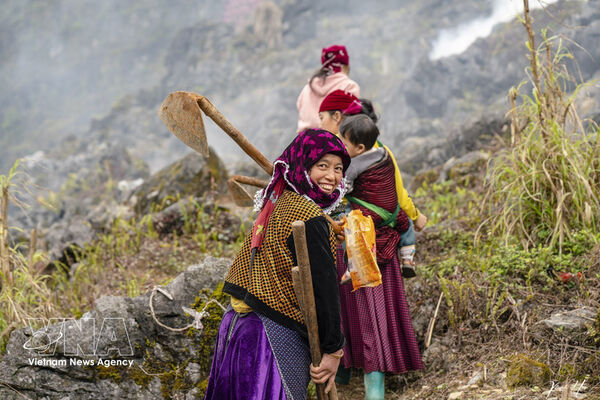
The occasion should feature a series of open activities rather than a single event. Nationally, a Vietnam Culture Week could be launched around November 24, linking central and local levels. Locally, each region should tell its own story: Hanoi highlighting the Thang Long heritage, Hue showcasing imperial traditions and classical arts, Ho Chi Minh City spotlighting dynamism and creativity, and ethnic minority areas presenting their unique cultural spaces. The goal is for locals to see the day as their own, not something owned by the cultural bureaucracy.
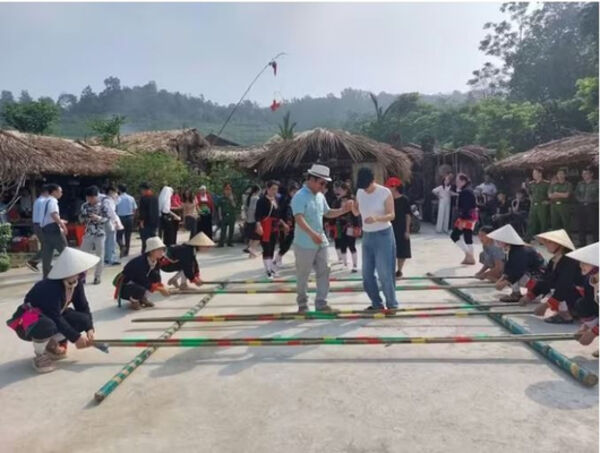
Public venues, including museums, libraries, heritage sites, theatres and cultural centres, should open widely with free or discounted access and offer hands-on experiences to families, students, youth, workers and the elderly.
To embed cultural values deeply, the Vietnam Culture Day must also connect to everyday life: spreading codes of conduct in families, workplaces, schools, traffic and digital spaces; encouraging reading and heritage education; honouring artisans, artists, teachers and community custodians; and bringing arts performances to industrial zones, rural areas, dormitories and residential communities, according to the official.
For culture to become a true driver of development, he said the first step is a shift in mindset: culture is not only a legacy of the past, but also a resource for the future. This lines up perfectively with the Politburo’s Resolution 80-NQ/TW, which identifies culture as the spiritual foundation, an internal strength, a development driver, and an element that must permeate all strategies and policies.
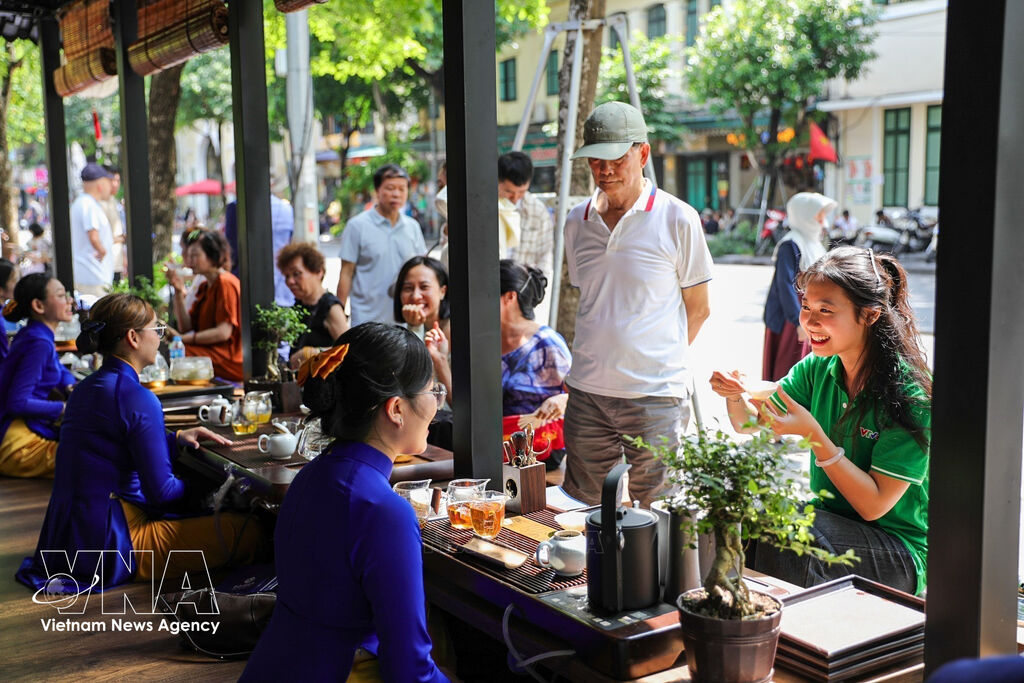 |
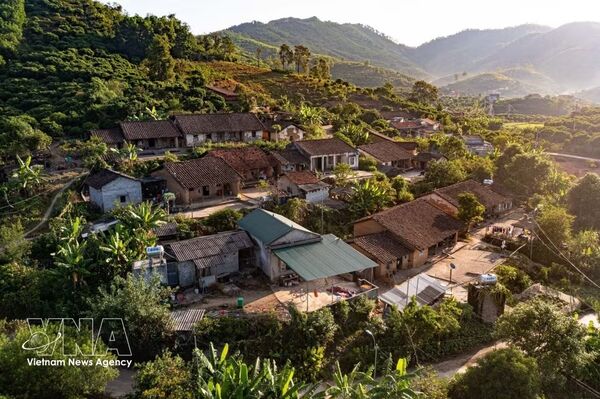
| Introducing Lam Dong tea to visitors (Photo: VNA) |
Achieving this transformation requires building an ecosystem that links heritage, creativity, markets and technology. A traditional craft village should evolve beyond a place for sightseeing into a hub for design, experiential learning, aesthetic education and community-based tourism. Folk materials should move from academic shelves into contemporary music, cinema, theatre, fashion, animation, video games and applied arts. Heritage sites should become dynamic storytelling spaces through digital technology, night tours, performing art and immersive experiences for younger generations.
In short, heritage must speak the language of the present to remain relevant. Culture must live in today’s world rather than remain frozen in the past, he said.
Commercialising culture, however, must be handled with care. The State has a critical role in setting legal frameworks, protecting intellectual property rights, cultivating talent, investing in infrastructure, expanding markets and striking the right balance between economic gains and cultural integrity.
With sound policies in place, companies will invest. With functioning markets, young creators will thrive. With quality products, global attention will follow. When culture generates jobs, income and brand value, it will attract more resources for preservation and growth, creating a virtuous cycle Vietnam needs, he added.
Vietnam’s greatest advantage is the richness of its cultural identity. The key lies in the ability to reinterpret and express that identity in modern forms that can compete on the global stage, Son concluded./.