Vietnam emerges as typical case of Asia’s FDI success
Vietnam stands out as a representative example. The article cites US technology group Intel as a case in point. Since establishing its testing and assembly facility at the Saigon Hi-Tech Park in 2010, Intel has expanded operations through total investments of 1.5 billion USD.
With many advantages, Vietnam has opportunities to integrate more deeply into the global technology value chain. (Photo: VNA)

Hanoi (VNA) – Many Asian economies have tapped into foreign direct investment (FDI) to fuel economic growth, with Vietnam standing out as a notable success, while others still face challenges in turning capital inflows into lasting development.

According to an analysis published by fdiintelligence.com, the performance of FDI in Asia, as in other regions, depends on individual projects.

Broader factors like geopolitics, economic trends, the business climate, and cultural context play a big role in shaping how investment flows develop across the region. Of these, political and economic stability stand out as major drivers of FDI success.

The article notes that countries including Singapore, the Republic of Korea, and Vietnam have strengthened investor confidence through consistent governance, transparent legal frameworks and business-friendly reforms.

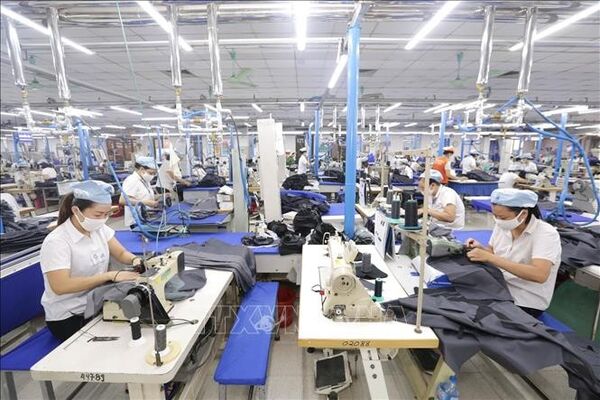
In addition, high-quality infrastructure, such as special economic zones and efficient logistics networks, together with a skilled and cost-competitive workforce, has contributed significantly to their attractiveness as investment destinations.

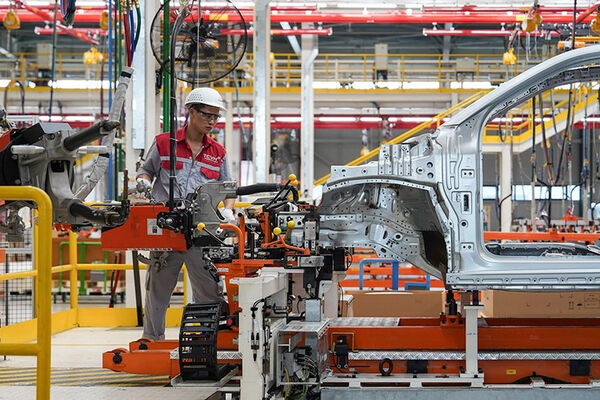
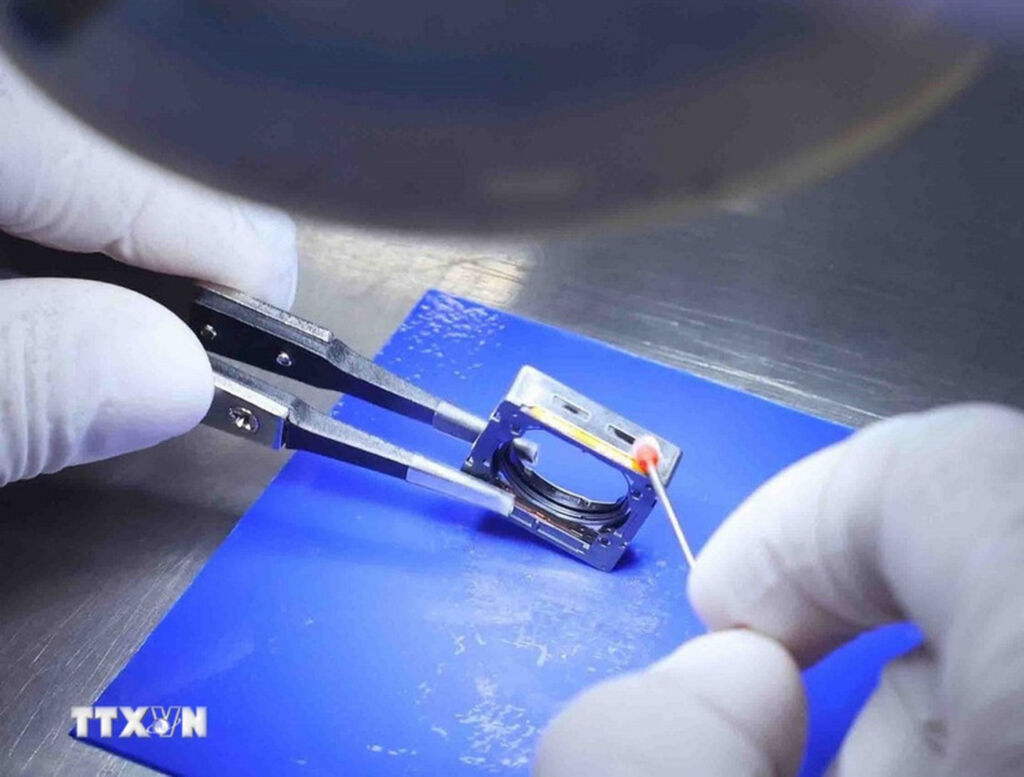
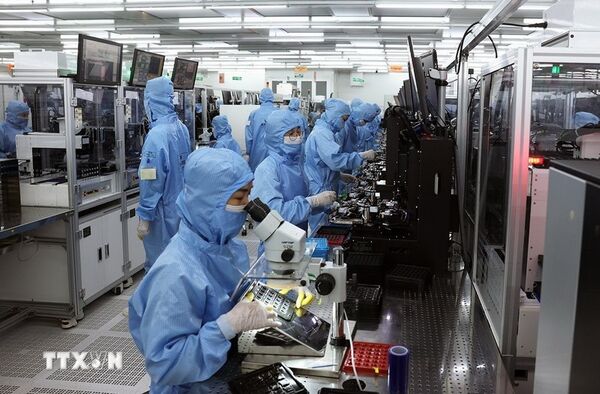
Vietnam stands out as a representative example. The article cites US technology group Intel as a case in point. Since establishing its testing and assembly facility at the Saigon Hi-Tech Park in 2010, Intel has expanded operations through total investments of 1.5 billion USD. This expansion has been underpinned by Vietnam’s rapidly developing semiconductor ecosystem, an experienced workforce and the country’s role as a lower-cost link in global electronics supply chains.

In October, Intel Vietnam’s General Director Kenneth Tse discussed with government representatives the possibility of bringing additional production lines to Vietnam in the near future.

The analysis further highlights that geopolitical positioning and participation in regional trade frameworks, notably the 15-member Regional Comprehensive Economic Partnership (RCEP), help reinforce investor confidence.

At a time when many Western governments are moving toward protectionist policies under the banner of security and strategic autonomy, Asia’s ability to maintain open trade and investment flows is seen as an important factor in sustaining FDI momentum./.

Related News

Vietnam’s real estate attracts new generation FDI

Vietnam’s real estate sector continues to consolidate its position as a major magnet for foreign investors, ranking second only after processing and manufacturing in newly registered foreign direct investment (FDI).

Rising FDI strengthens Vietnam’s position among emerging IFM markets

According to the National Statistics Office of Vietnam, foreign investment inflows in the first 11 months of 2025 remained positive, with nearly 33.7 billion USD in newly registered capital and 23.6 billion USD in disbursed capital – the highest in five years. These inflows are creating a solid foundation for growing demand for IFM services across factories, logistics centres and office buildings, particularly as foreign investors continue to expand production in Vietnam.

Vietnam's 11-month FDI rises 7.4%

Foreign direct investment (FDI) inflows into Vietnam maintained strong growth momentum over the past 11 months. The National Statistics Office (NSO) under the Ministry of Finance reported that total registered foreign investment during the period reached 33.69 billion USD, rising 7.4% from a year earlier.

See Also

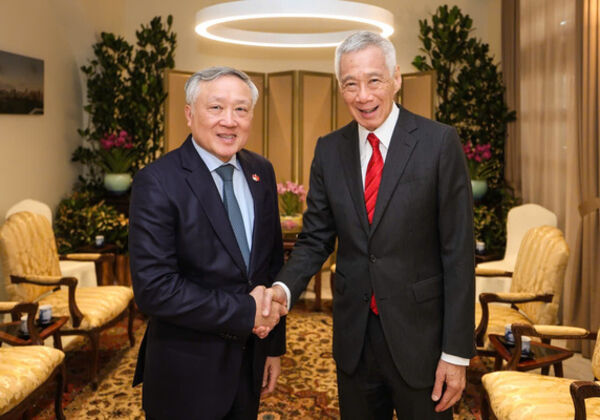
Vietnam seeks stronger partnership with Singapore

The Deputy PM expressed his hope that Lee will continue to support efforts to further advance Vietnam–Singapore relations in a more practical and effective manner, as well as provide advice and share experience in developing financial centres and promoting connectivity between the two countries’ international financial centres.

International cooperation: Key to global semiconductor supply chain for Vietnam

In today’s modern world, countless major technological breakthroughs begin with silicon fragments smaller than a grain of rice called semiconductor. As these chips have become strategic assets, intense geopolitical competition among major powers has triggered an unprecedented shift in global semiconductor supply chains. Against this backdrop, domestic and international analysts see Vietnam as a strong contender in global semiconductor companies’ de-risking strategy.

Vietnam emerges as bright spot of growth, trusted and responsible partner

Despite a volatile global environment, Vietnam recorded solid gains in 2025. With flexible and proactive policies under the leadership of the Communist Party of Vietnam and the Government, all 15 key socio-economic targets were met or exceeded, while GDP expanded by about 8.02%, surpassing expectations.

Vietnam making breakthroughs via policies for older persons

The Politburo’s Resolution No. 72-NQ/TW on groundbreaking solutions to strengthen the protection, care and improvement of public health sets the target of raising average life expectancy to 75.5 years by 2030, with at least 68 years lived in good health.

Quang Ninh determined to remove IUU“yellow card”

Quang Ninh is intensifying vessel management and round-the-clock enforcement, backed by near-universal licensing and compliance gains, as it aligns local action with national efforts to lift the European Commission’s IUU “yellow card”. The province is pairing tougher inspections and VMS monitoring with accelerated digitalisation of fisheries data to curb violations, strengthen traceability and advance sustainable marine development.