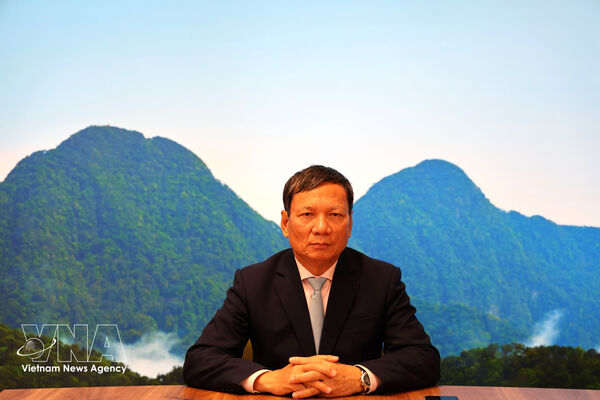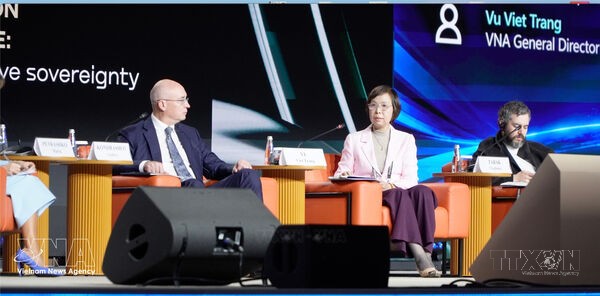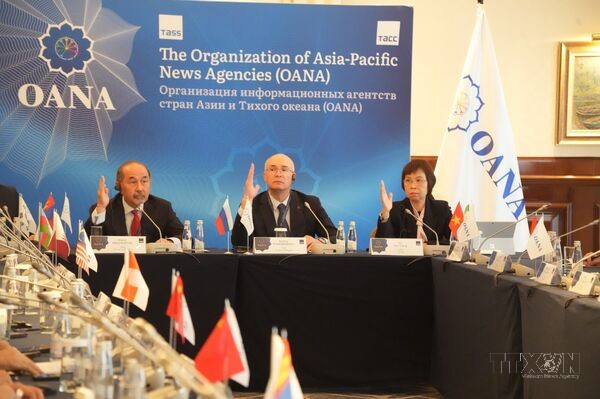
Dr. Anton Bredikhin of the Russian Academy of Sciences highlighted potential rail links connecting Russia to Vietnam via Mongolia or Kazakhstan, transiting through China.
National Tourism Year – Gia Lai 2026 will be held in Gia Lai under the theme “Gia Lai – Where the great forests meet the blue sea”, featuring a series of 244 cultural, sports and tourism events taking place throughout the year.
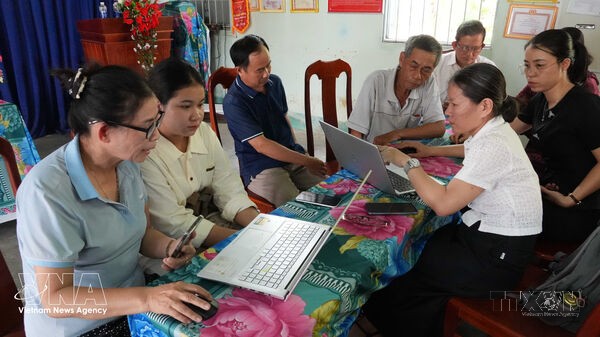
Across the province, proactive and community-based approaches are helping disseminate election information widely, contributing to a safe, transparent and regulation-compliant election.
Nine Vietnamese companies have been included in TIME magazine’s list of the 500 Best Companies in Asia–Pacific for 2026, highlighting the country’s growing corporate presence across multiple industries.
The science and technology sector posted 464,116 billion VND (17.6 billion USD) in revenue in January, up 23% year on year. According to the Ministry of Science and Technology, the sector’s contribution to GDP growth for the month was estimated at 124,065 billion VND (4.7 billion USD), up 33.3% compared with January 2025.
The Konagamana Buddha Statue is enshrined in many well-known Buddhist countries around the world. In Vietnam, however, visitors can only pay homage to this particularly majestic “Golden Buddha” at Ba Den Mountain in the southern province of Tay Ninh.
As more Vietnamese companies venture into global markets, the key question now is how to enable more domestic enterprises to scale up sustainably and maintain their footing amid intensifying global competition.
HS Hyosung Quang Nam, under Hyosung Group of the Republic of Korea (RoK), has signed a land-rent contract with the Chu Lai Industrial Zone Authorities for an expansion of its investment in central Vietnam, which started with the introduction of its first plant in 2019.
Authorities of Ho Chi Minh City are finalising a plan to develop modern and efficient grassroots cultural and sports facilities through 2035, aligned with the city’s master plan and the goal of building a creative and smart city.
HIC is envisioned as a central “brain” connecting data, resources, policies, technology and culture to address urban development challenges, operate the national innovation ecosystem, promote a sustainable digital economy and digital society, improve the quality of life for local residents, and foster creative industries, particularly cultural industries linked to Hanoi’s identity.
The Politburo’s Resolution 80-NQ/TW on the development of Vietnamese culture marks a significant breakthrough. For the first time, cultural development has been quantified through specific targets directly linked to economic growth and national competitiveness.
These voters come from the naval, coast guard and fisheries resources surveillance units, permanent militia marine squadrons, along with oil and gas enterprises headquartered in Ho Chi Minh City.
Resolution No. 80-NQ/TW sets out new and overarching requirements for cultural development in the new era, defining strategic viewpoints, goals and solutions through 2030 with a vision to 2045. It builds on past achievements while addressing existing shortcomings, marking both theoretical continuity and advancement.
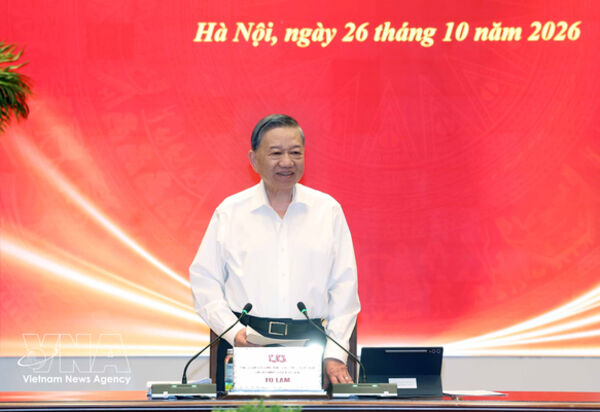
General Secretary To Lam described the two new resolutions as key additions to the Party’s major policy decisions, grounded in thorough reviews of practice and theory as Vietnam enters a new development phase.
The Resolution affirms that throughout more than 80 years of national construction and development, especially during 40 years of the Doi moi (Renewal) process, the state economic sector has consistently played a leading role.
The programme aims to institutionalise and comprehensively implement the viewpoints, objectives, tasks and solutions set out in Resolution No. 79-NQ/TW, while defining specific assignments for ministries, sectors and localities to build their own action plans and organise implementation, inspection and supervision.
In recent years, digital transformation has become essential to socio-economic strategies. For tourism, it is now a necessity to enhance competitiveness and ensure sustainable growth.
The programme focused on promoting investment cooperation, commercialising products, developing digital assets and expanding international markets for Da Nang-based startups through direct engagement with Dubai partners.
APAIE President Venky Shankararaman commended the Vietnamese delegation, noting that it marks the largest-ever participation by Vietnamese institutions at the forum. He said many Asia-Pacific countries, particularly in Southeast Asia, are keen to expand cooperation with Vietnamese universities.
Science and technology create new knowledge and tools; innovation translates that knowledge into products and services; and digital transformation accelerates diffusion across society, unlocking growth and added value.
It has become a cherished cultural tradition that, at the beginning of each spring, the entire country enthusiastically responds to the “Tree-planting Festival in eternal gratitude to President Ho Chi Minh”, stepping up tree planting and afforestation efforts. These activities contribute to socio-economic development, disaster mitigation, greenhouse gas emission reduction, environmental improvement, and climate change adaptation.