 |
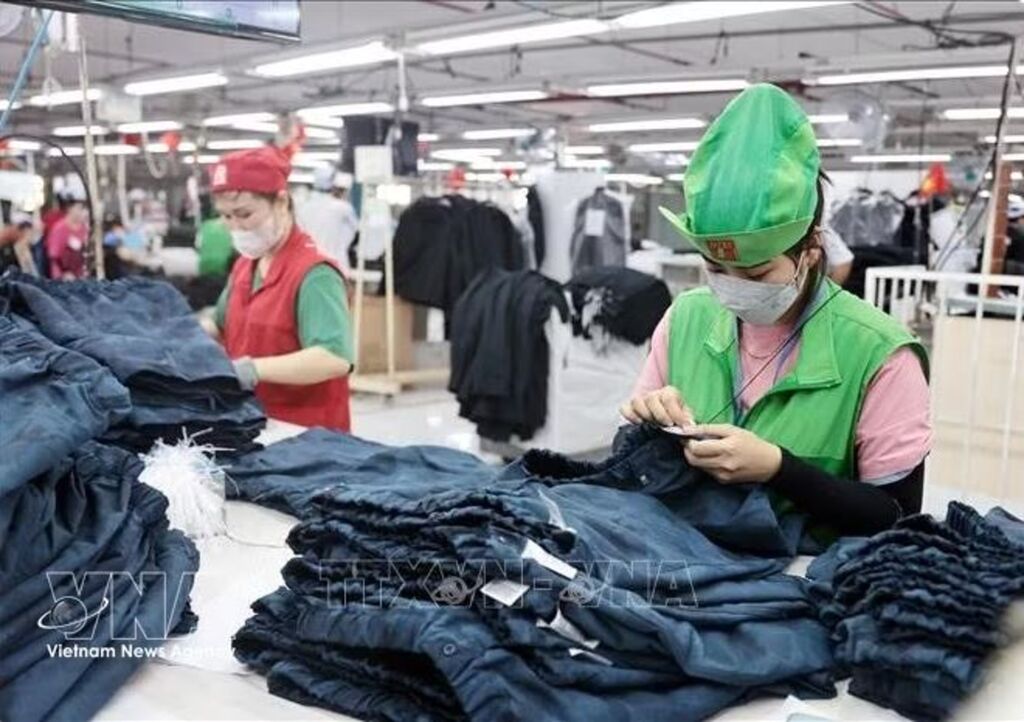
| Garment-textile remains a driver of export growth. (Photo: VNA) |
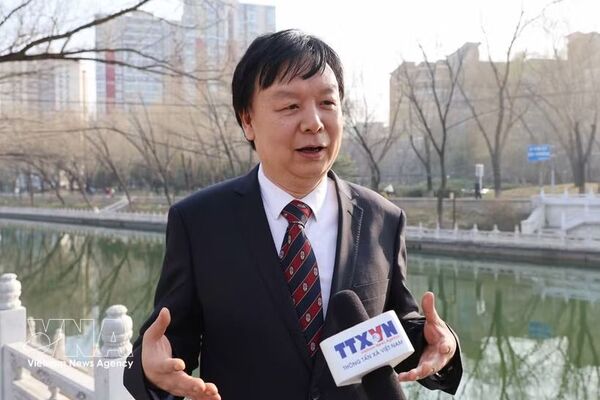
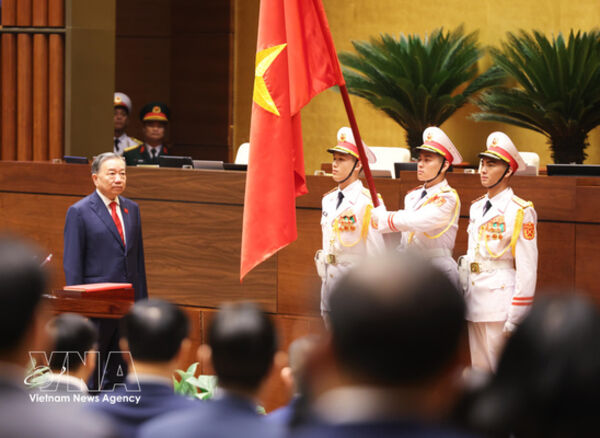
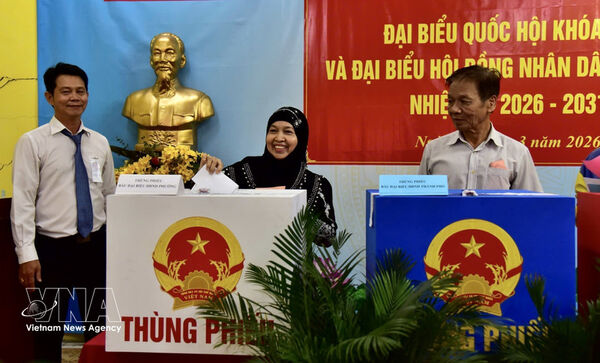
Geneva (VNA) – Vietnam’s recent election of key leadership positions reflects a clear commitment to maintaining political stability and advancing economic reform in the years ahead, according to Jean Musy, Editor-in-Chief of Radio Zones of Switzerland.
Speaking to a Vietnam News Agency correspondent in Switzerland on April 8, Musy said the election of high-ranking leaders for the 2026–2031 term demonstrates Vietnam’s determination to ensure governance continuity while accelerating economic reforms under the leadership of the Communist Party of Vietnam. He noted that this direction helps strengthen confidence among foreign investors, particularly at a time when the global economy is facing multiple uncertainties and challenges.
Regarding short-term priorities, Musy highlighted that ongoing tensions in the Middle East underscore the importance of securing stable energy supplies. Current developments are affecting planning strategies in many countries, reaffirming energy security as a key pillar of economic stability.
Looking ahead, he said Vietnam will need to tackle many strategic issues, including improving vocational training for young people, fostering innovation and technological development, advancing energy transition in tandem with environmental protection, and addressing population ageing. Narrowing social disparities and promoting balanced development will also remain critical amid rapid global transformation.
On foreign affairs, Musy observed that shifting international dynamics could present new challenges for Vietnam. The country’s foreign policy, widely valued for its flexibility, may face increasing pressure as strategic competition among major powers intensifies. He said Vietnam could be compelled to make strategic decisions earlier than expected, even as it continues diversifying partnerships and expanding international economic cooperation.
He also pointed to rising interest rates in the US, with potential spillover effects in Europe, alongside complex developments in the East Sea related to sovereignty and resources, as additional factors placing pressure on policymaking and governance.
In this context, Musy emphasised the need for Vietnam’s leadership to maximise domestic strengths while remaining adaptable in an increasingly interconnected global environment shaped by ongoing great-power competition.
The Swiss journalist assessed that the new term will bring both opportunities and challenges, requiring a balanced approach that combines domestic stability, economic reform, and diplomatic flexibility to secure sustainable development in the coming years./.