Vietnam welcomes nearly 4.7 million foreign visitors in January–February
In February alone, the country welcomed more than 2.2 million foreign visitors, marking the third consecutive month that the number of international arrivals exceeded the two-million mark, following 2.45 million in January 2026 and 2.02 million in December 2025.
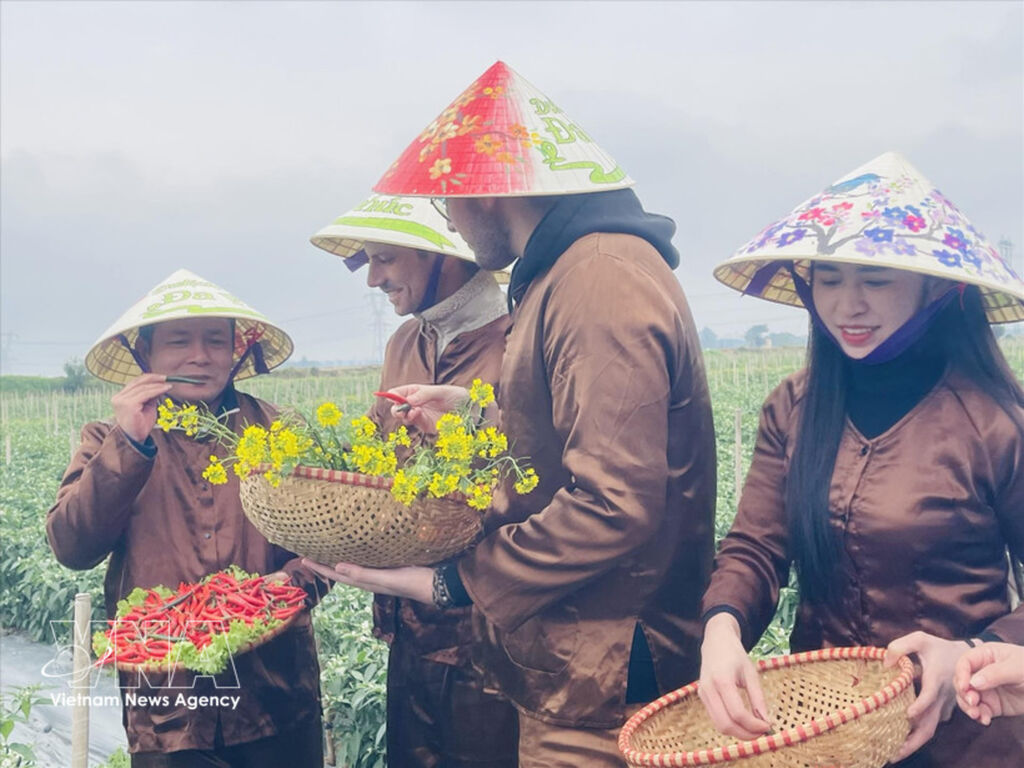
Tourism ambassadors of an agricultural tourism experience programme. (Photo: VNA)

Hanoi (VNA) – Vietnam received nearly 4.7 million international visitors in the first two months of 2026, up 18.1% year-on-year, according to the Vietnam National Authority of Tourism (VNAT).

Tourist arrivals by air accounted for the largest share with more than 3.83 million visitors, representing 81.8% of the total. Arrivals by land made up 15.8% while sea travel accounted for 2.4%.

In February alone, the country welcomed more than 2.2 million foreign visitors, marking the third consecutive month that the number of international arrivals exceeded the two-million mark, following 2.45 million in January 2026 and 2.02 million in December 2025.

Asian tourists continued to dominate the market structure, with around 3.4 million arrivals during the two-month period, accounting for 73% of the total and increasing by over 10.2% compared with the same period last year.

The Republic of Korea (RoK) remained Vietnam’s largest source market with about 971,000 visitors, up around 10% year-on-year. The market has maintained stable growth, reflecting the continued popularity of Vietnam’s beach destinations, golf tourism and family travel, as well as convenient air services between the two countries.

China ranked second with around 923,000 arrivals, while visitors from Taiwan (China) reached more than 220,000 during the period. Together with Japan, these markets continued to reinforce Northeast Asia’s role as a key source of international tourists to Vietnam.

India emerged as one of the fastest-growing markets, with about 158,000 visitors in the first two months of the year, up more than 71% year-on-year. The strong increase reflected Vietnam’s efforts to diversify its visitor sources, alongside the expansion of direct flights, stronger tourism promotion and rising outbound travel demand among India’s growing middle class.

Within Southeast Asia, several markets recorded robust growth. Visitor numbers from the Philippines surged by 72%, Singapore by 35%, Indonesia by 27% and Malaysia by 16.5%. Cambodia posted the highest growth rate in the region at 95.1% compared with the same period in 2025. The VNAT attributed the increases to stronger intra-ASEAN tourism cooperation, geographical proximity and convenient transport links.

The European market also saw strong recovery, with 847,000 arrivals in the two-month period, rising 67.4% year-on-year. Major markets posting positive growth included the UK (17.1%), France (19.8%) and Germany (17.5%).

Russia remained the largest European source market with 247,000 visitors, soaring 212.5% year-on-year. Russian tourists are particularly drawn to Vietnam’s warm coastal destinations such as Nha Trang, Phu Quoc and Phan Thiet–Mui Ne, where they often spend extended holidays.

According to the VNAT, Vietnam’s growing appeal among European travellers is supported by favourable visa policies, including extended visa exemptions, more convenient e-visa procedures and expanded direct air routes.

Visitor numbers from other regions also recorded positive growth. The Americas saw 278,000 visitors during the period. With 210,000 arrivals, the US remained among Vietnam’s 10 largest source markets, up 6.3% year-on-year, while Canada recorded around 50,000 visitors, an increase of 22.9%.

Australia and New Zealand together contributed about 130,000 visitors, up nearly 15% compared with the same period last year, while Africa recorded about 12,100 arrivals, rising more than 32%.

The VNAT said the strong growth from Northeast Asia, ASEAN and Europe shows that Vietnam’s international tourism market structure is becoming increasingly diverse and balanced, creating a solid foundation for the tourism sector to sustain growth momentum and strengthen competitiveness in the region and the world./.
See Also

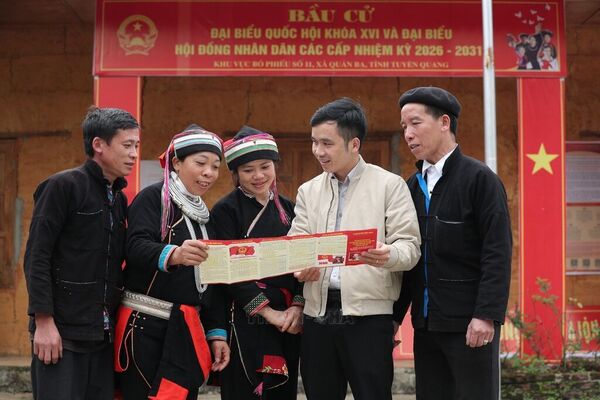
Tuyen Quang diversifies communication ahead of election day

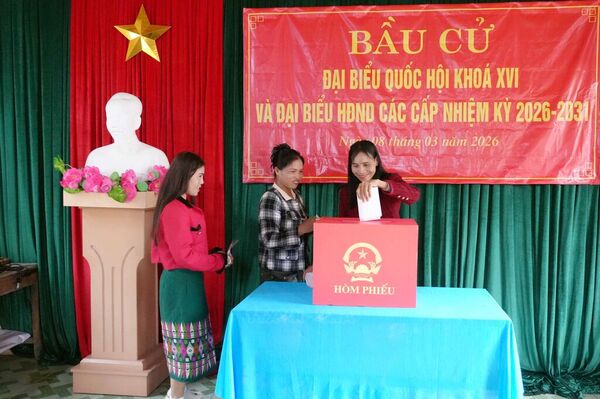
In the northern mountainous province of Tuyen Quang, communication activities for the election of deputies to the 16th National Assembly and People’s Councils at all levels for the 2026–2031 tenure are being actively implemented. Local authorities have published numerous articles in the media while mobilising reporters and propagandists to disseminate information through village meetings, residential group gatherings and Party cell activities. Communication is also carried out through visual media such as billboards, posters, banners, slogans and propaganda paintings displayed at provincial, commune and ward centres. At village cultural houses, local authorities are actively decorating halls and arranging facilities to create an enthusiastic atmosphere ahead of the major national event. Photo: Minh Duc – VNA

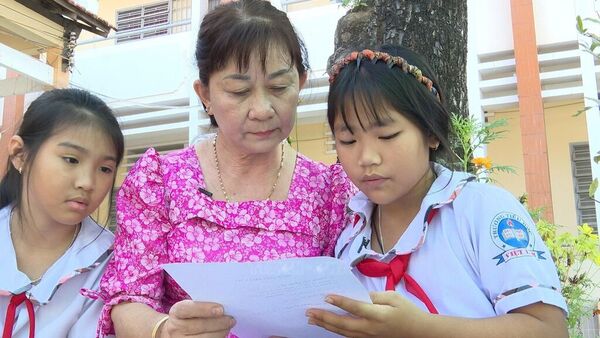
Meritorious Teacher Huynh Thi Phuong Thao – sowing seeds of knowledge at a rural school

On the occasion of International Women’s Day (March 8), the story of Huynh Thi Phuong Thao, a teacher at Viet Lam Primary School in Thuan My commune, Tay Ninh province, reflects the quiet dedication of a woman devoted to education. After 35 years of teaching, she still maintains her passion for the profession and her affection for students, wholeheartedly supporting generations of pupils in a rural area with many difficulties. She serves as an inspiring example of dedication and love for students. She is also the only primary school teacher to have been awarded the title of People’s Teacher in 2021. Photo: Duc Hanh – VNA

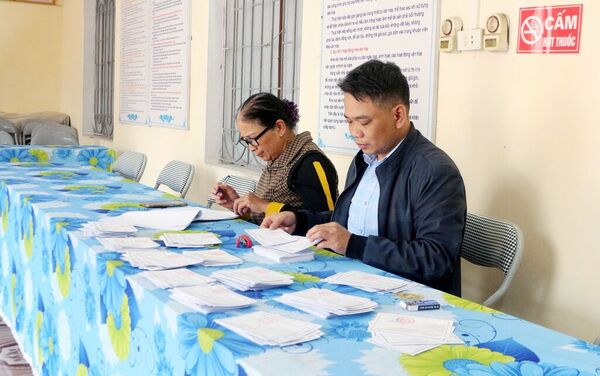
Ninh Binh prepares for the upcoming election

Recognising the election of deputies to the 16th National Assembly and People’s Councils at all levels for the 2026–2031 tenure as a particularly important political task, communes and wards across Ninh Binh province have been seriously and thoroughly implementing all necessary preparations to ensure the election is conducted safely, economically and in accordance with the law. Photo: Nguyen Chinh – VNA

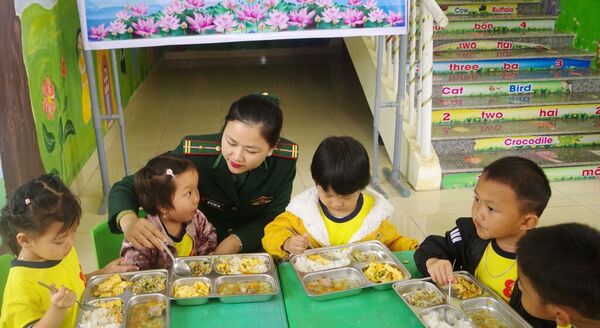
Border Guard women bring warmth through “Meal for Children” programme in Quang Tri border area

With a strong sense of responsibility and compassion, on March 5, 2026, the Women’s Union of the Border Guard Command of Quang Tri province organised practical activities to support and encourage students, especially children in difficult circumstances in border areas. In the cool weather of Kim Dien border commune, women officers of the provincial Border Guard launched the programme “Meal for Children”, bringing warmth and care to pupils at Hoa Hop Kindergarten, Lam Sum satellite campus. The programme not only helps improve the children’s nutrition but also encourages them to continue attending school, strengthening solidarity between the army and the people in the border area. Photo: Vo Dung – VNA

PM proposes “Talented, creative and dedicated women” award

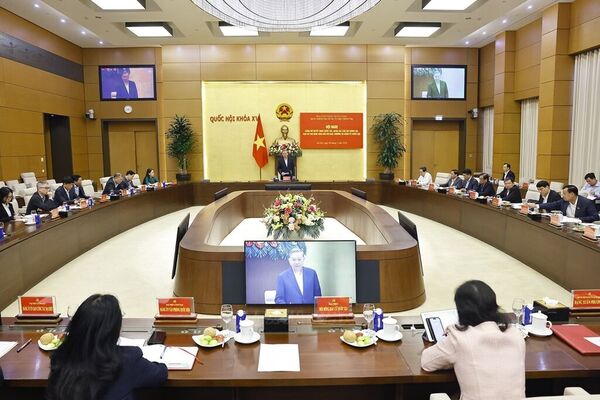
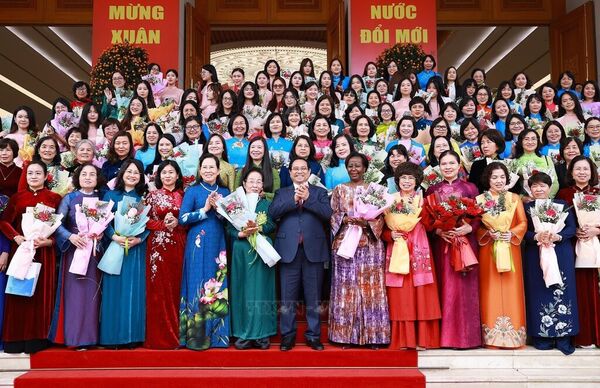
Prime Minister Pham Minh Chinh on March 6 proposed establishing a new award titled “Talented, Creative and Dedicated Women” to further honour the contributions of Vietnamese women. He made the suggestion at a meeting with female leaders and managers from central agencies held at the Government Headquarters to mark the 116th anniversary of International Women’s Day (March 8). At the event, the PM also presented the 2025 Kovalevskaia Award. Photo: Duong Giang – VNA

Duong Hoa commune (Quang Ninh) promotes local advantages to boost economic development

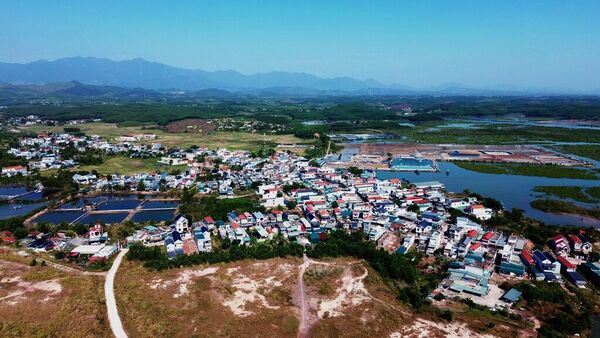
After administrative consolidation, Duong Hoa commune in Quang Ninh province now covers more than 4,000 hectares with a population of over 5,000. Located near the Mong Cai border-gate economic zone, the locality is leveraging its strengths in agriculture, forestry, aquaculture, fisheries and eco-tourism to improve local livelihoods. Photo: Duc Hieu – VNA

Phu The cakes preserve distinctive traditional flavour of Bac Ninh

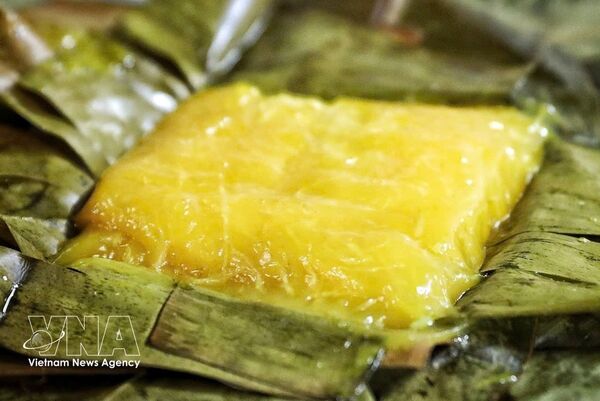
Phu The cake (also known as xu xe cake) has long been a cultural symbol of Bac Ninh - the King Bac region. These small, square cakes are wrapped in green leaves. Inside is a translucent layer of glutinous rice dough embracing a filling of mung bean and coconut, creating a delicate, mildly sweet flavour. The cake symbolises fidelity and enduring affection, and often appears at wedding ceremonies and on Lunar New Year feast trays as a wish for reunion and fulfilment.