 |
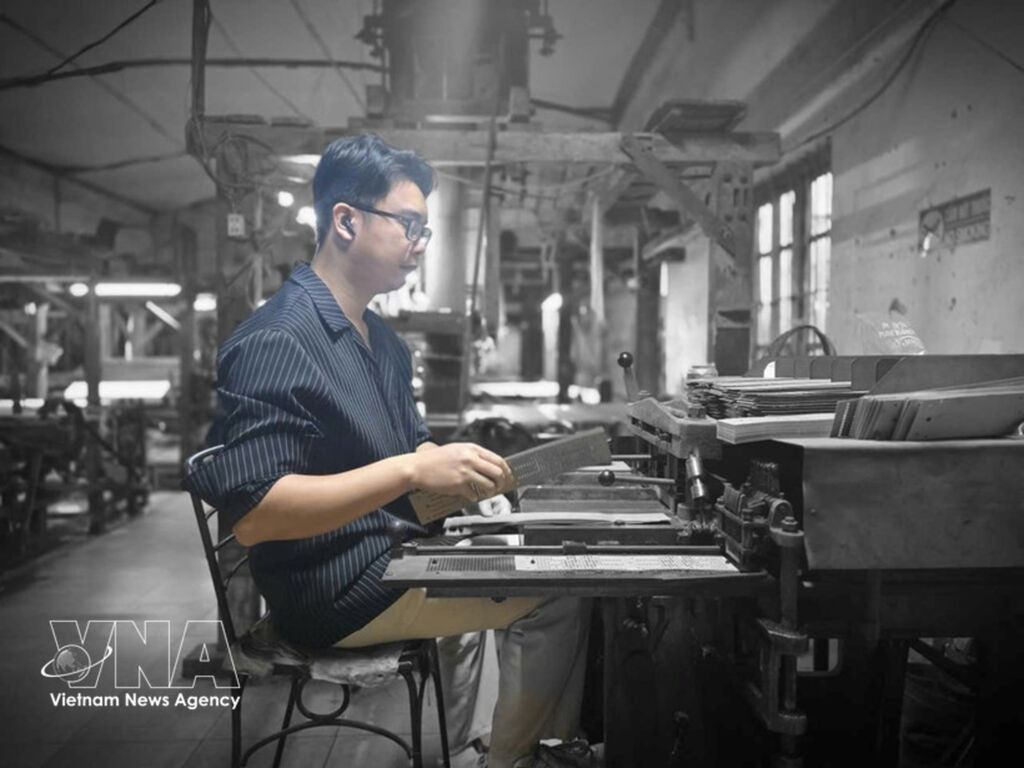
| Van Phuc silk village of Hanoi is promoting digital transformation in production. (Photo: VNA) |
Hanoi (VNA) – Amidst the drastic restructuring of global supply chains and increasingly stringent requirements for sustainable development and green consumption, digital transformation is emerging as a key solution for Vietnam’s handicraft industry to transcend the limitations of traditional models, enhance value, and progressively solidify its standing in the international market.
Vietnam currently boasts thousands of craft villages with centuries-old histories, producing a wide range of products, from rattan and bamboo wares, ceramics and lacquerware to hand-woven textiles—all deeply imbued with the nation's cultural identity.
However, the majority of enterprises and production facilities still cling to outdated market approaches such as relying on physical trade fairs, selling through intermediaries, and managing production manually via paper-based records. These practices not only inflate costs and hinder market responsiveness but also make it difficult for products to meet modern requirements for traceability, environmental protection, and consistency when fulfilling large orders.
Le Ba Ngoc, Vice President and General Secretary of the Vietnam Handicraft Exporters Association (VIETCRAFT), said the core value of the handicraft industry lies in human creativity and artisanal skill. He emphasised that digital transformation is not about replacing craftsmen with technology. Instead, amidst intensifying competition, technology serves as a catalyst to optimise operations, minimise waste, and bridge the gap between products and their target consumers.
There are four important pillars in the industry’s digital evolution, namely digitising production processes and ensuring traceability, leveraging 3D and augmented reality (AR) technologies to create "borderless" customer experiences, conquering e-commerce platforms, and adopting data-driven smart governance, he noted.
Digital transformation entails digitising production processes while ensuring full transparency in product traceability. Today’s consumers in Europe, North America, and Japan look beyond mere aesthetics, placing a high premium on the "sustainability story" behind every item.
By applying QR codes, traceability databases, and even blockchain technology, brands can provide customers with clear insights into raw material sources, whether manufacturing is eco-friendly, and the artisans behind the work. This has become an essential "laissez-passer" for handicrafts to navigate the increasingly stringent technical barriers of high-end markets.
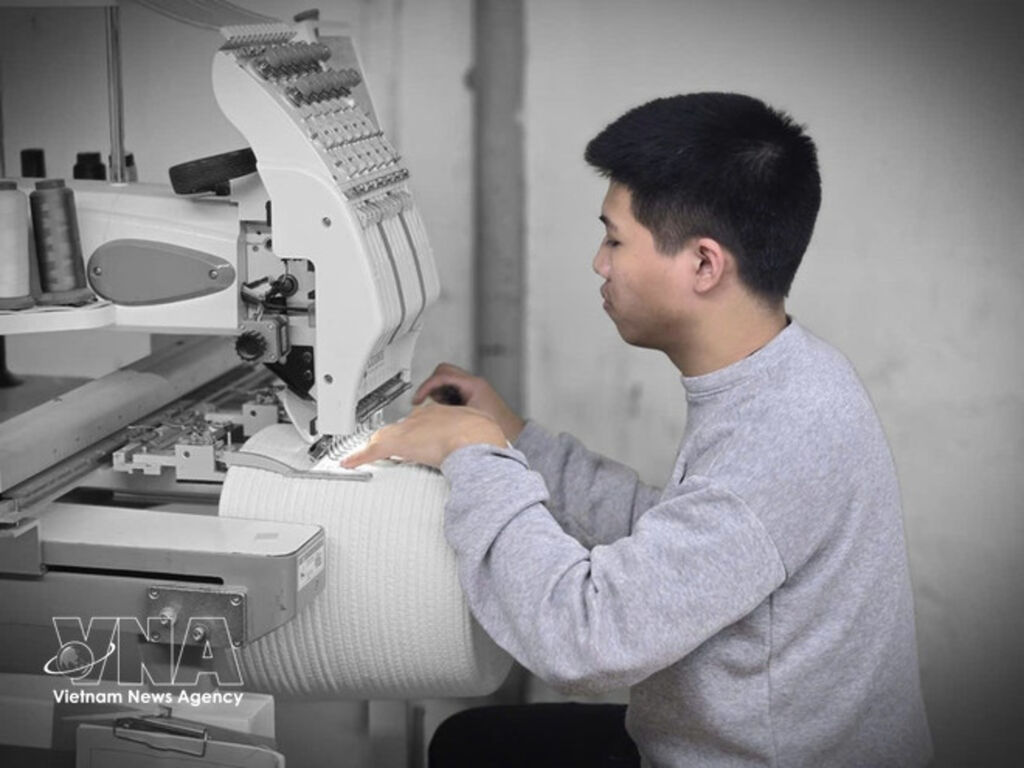 |
| The Ha Linh Rattan and Bamboo Co. Ltd is stepping up digital transformation in production. (Photo: VNA) |
Concurrently, 3D design and AR technologies are forging a new experiential frontier for an industry that has long been tethered to tactile interaction. Rather than investing significant time and capital into physical prototyping, firms can now showcase products as 3D models, enabling international buyers to "place" these items within their own physical spaces via smartphones or tablets. This digital-first approach not only streamlines the design-to-manufacturing pipeline but also provides the agility needed to tailor products to the specific demands of diverse markets.
Digital transformation is also empowering the handicraft sector to enter cross-border e-commerce channels more efficiently. Moving away from the passive reliance on intermediaries, enterprises can now engage directly with global consumers through platforms such as Amazon, Etsy, and Alibaba.
According to VIETCRAFT, digitalisation in e-commerce is not merely about establishing an online presence; it involves leveraging big data to decode consumer trends and regional or seasonal preferences, thereby optimising product portfolios and marketing strategies.
From a managerial standpoint, the adoption of lean management software is empowering enterprises to gain a tighter grip on the fragmented supply chains typical of the handicraft sector. Real-time data concerning raw materials, inventory levels, and the production progress of each group of artisans now provides unprecedented operational visibility. Crucially, this digital supervision helps mitigate the chronic vulnerability: quality inconsistency during large-scale order fulfillment—a bottleneck that used to cause many firms to forfeit export opportunities.
Ngoc noted that under the Swiss-funded innovation and competitiveness support programme – part of the Vietnam trade policy and export promotion project, VIETCRAFT has spearheaded various digital transformation initiatives, from product digitisation and the development of VR/AR-powered showrooms to promotion across digital and social media platforms.
This represents a vital step in ensuring that enterprises, particularly small and medium-sized ones, can achieve meaningful technological integration that is finely tuned to their operational scale and capacities, he went on.
To ensure successful digital transformation, enterprises must first cultivate a digital-first mindset across their workforce and invest in foundational data infrastructure. A seamless synergy between traditional artisanal heritage and technological prowess will be a catalyst for Vietnamese handicrafts to transcend the low-value market and effectively cement the national brand identity within the global premium consumption landscape, Ngoc added./.