VNeID railway ticketing goes official from November 9
Customers need a level-2 VNeID account and must log in successfully on their phone. Automatic verification of personal data from the level-2 account simplifies booking, speeds up the process and adds security. The service covers all railway routes nationwide.
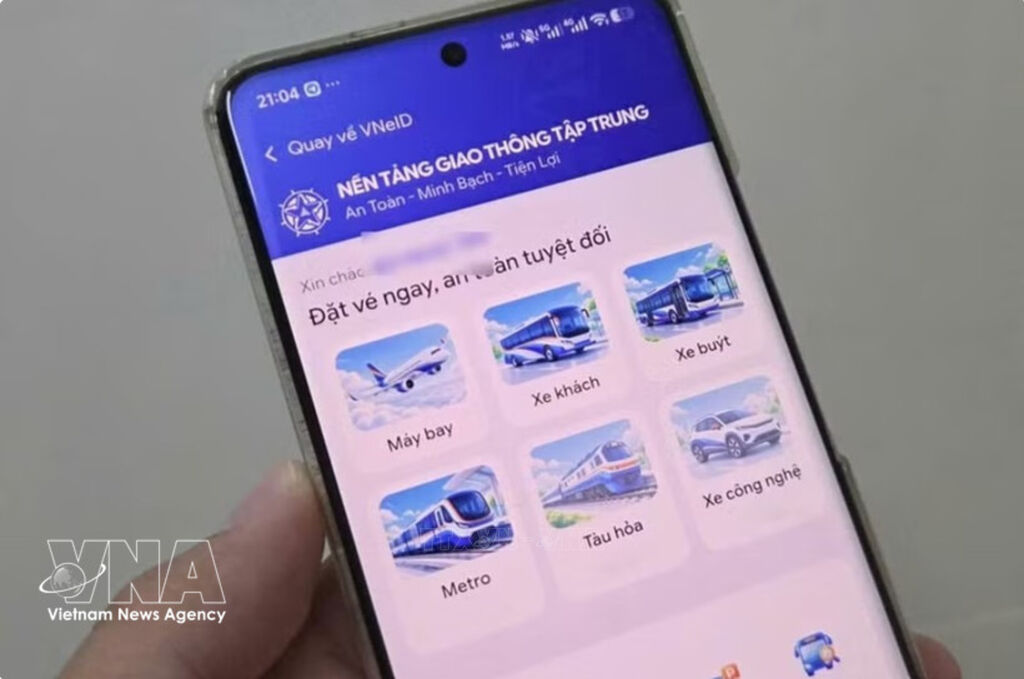
lllustrative image (Photo: VNA)

Hanoi (VNA) – The domestic railway sector started selling and accepting payment for train tickets on the VNeID electronic identification app on November 9, as it pushes service modernisation and diversifies passenger channels.

The integration lets citizens book directly on the platform without installing separate apps. It is part of Vietnam National Railway Group’s broad digitalisation strategy and follows a series of e-ticketing upgrades aimed at maximising passenger convenience.

Customers need a level-2 VNeID account and must log in successfully on their phone. Automatic verification of personal data from the level-2 account simplifies booking, speeds up the process and adds security. The service covers all railway routes nationwide.

Passengers can also buy tickets for relatives by entering personal details. A “Send ticket via VNeID” feature transfers the e-ticket directly to the recipient’s VNeID app, with the option to hide or show the fare. Travellers just open VNeID and confirm receipt.

The sector keeps social preferential policies for VNeID bookings, including discounts for the elderly, children and students. Each transaction is capped at 10 tickets, and selected tickets must be paid for within 10 minutes. Payment options include banking apps via QR code, domestic ATM and international cards.

To book online via VNeID, passengers select “Railway” under “transport services” and follow the instructions. After payment, the e-ticket is stored in “My Tickets” for presentation at boarding./.

VNA
See Also

OP-ED: Optimising cultural strength, reinforcing great national unity from grassroots

Harnessing cultural strength and reinforcing the great national unity bloc begin with concrete action at the grassroots level. In this process, Party committees provide leadership, local authorities create favourable conditions, the Vietnam Fatherland Front (VFF) and its member organisations play a central role in mobilising and bringing people together, while citizens are the creators, practitioners and beneficiaries of cultural values.

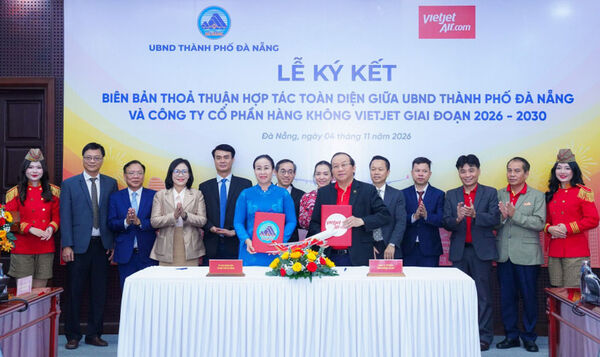
Da Nang, Vietjet sign comprehensive cooperation agreement for 2026–2030

This collaboration aims to strengthen the relationship between the two parties, leverage their respective strengths and resources, and jointly implement programmes and activities in areas of mutual interest—all in alignment with the city’s development orientation and Vietjet’s operational strategy.

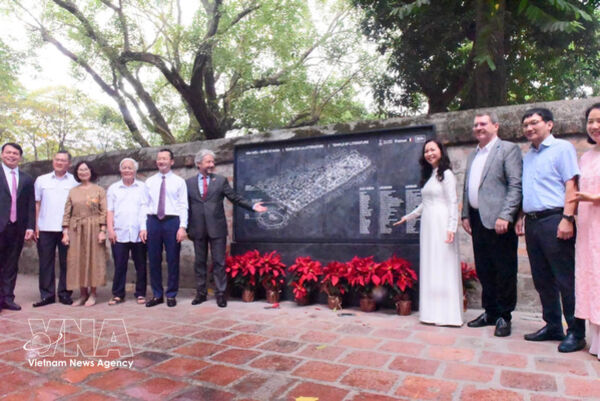
950th anniversary of Quoc Tu Giam marked with new visitor guides

The new overall map presents the Van Mieu-Quoc Tu Giam Special National Relic Site's spatial layout, the locations of its structures and key attractions, enabling visitors to plan their own routes. The leaflet provides an overview of the site's history, architecture, historical figures and outstanding cultural and educational values.

Da Nang named among Lonely Planet's “Best in Travel 2027” list

Located in central Vietnam, Da Nang is “blessed with mountains, a long city beach and a cool vibe”. The Son Tra Peninsula offers peaceful natural surroundings and panoramic sea views, while the city’s beaches provide opportunities for swimming, relaxation and outdoor activities.

Ho Chi Minh City pushes English as second language in schools

In 2027-2028, Ho Chi Minh City targets 20-30% of managers, teachers and staff in English proficiency training, 30% of establishments providing training in English/STEM/STEAM teaching methods, at least 30% of educational establishments with a complete English-speaking environment, and at least 15% of educational establishments teaching subjects in English.

More room for Vietnam-Russia financial cooperation: Russian think-tank

For Russia, the Vietnam International Financial Centre is seen as a new financial lane alongside trade, energy and industry. Vietnam–Russia trade hit 4.77 billion USD in 2025, up 4%, generating demand for payments, bank guarantees, letters of credit, transport insurance and trade finance. VIFC financial entities can capture that business if they clear legal and commercial hurdles.