 |
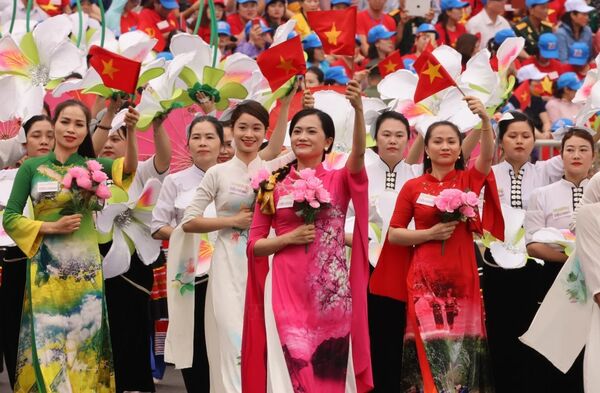
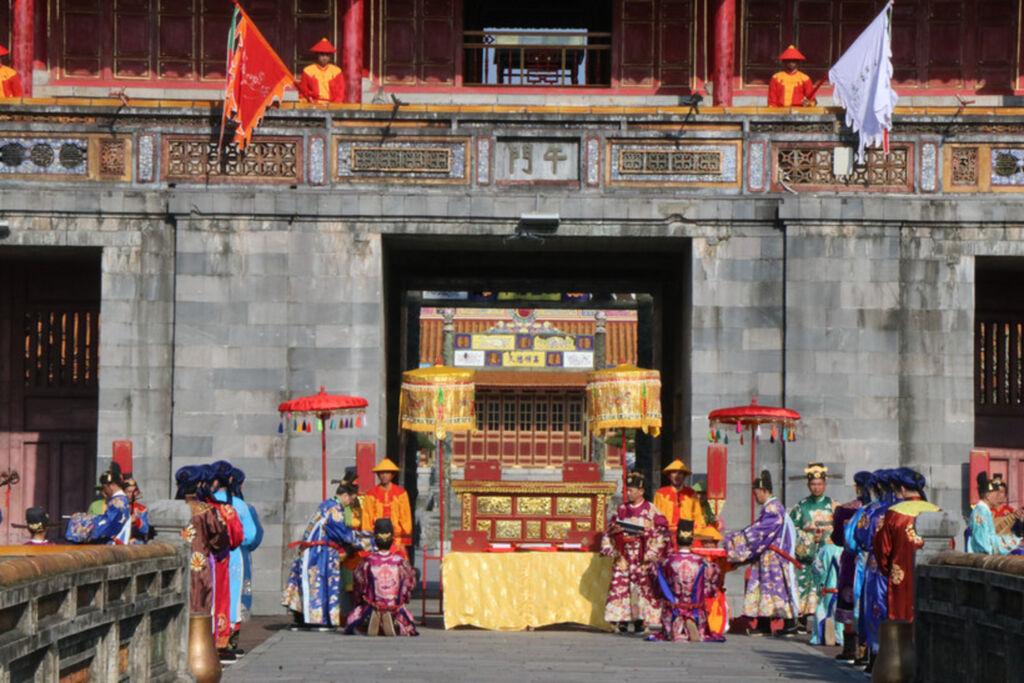
| The Nguyen Dynasty (1802–1945)’s Ban Soc ceremony reenacted in Hue on January 1, 2026, marking the opening of the Hue Festival series. (Photo: VNA). |
Hanoi (VNA) – The Politburo's Resolution No. 80-NQ/TW on the development of Vietnamese culture, issued on the eve of the 14th National Party Congress, demonstrates the Party’s strong political resolve to truly position the sphere as a firm foundation, a vital endogenous resource and a powerful driving force for the country’s rapid and sustainable development.
Many cultural researchers have noted that compared with previous documents, the most distinctive feature of Resolution 80 is its clear affirmation that culture is not only a goal and the spiritual foundation of society, but also an endogenous resource and a form of soft power for national development.
Culture as an endogenous resource and a pillar of development
Associate Professor Dr Bui Hoai Son, a full-time member of the National Assembly’s Committee on Culture and Education, said the resolution underscores that sustainable development must foremost be grounded in people and culture. This provides the basis for building a national value system, a cultural value system and standards for Vietnamese people that meet the demands of the times, he explained.
According to Son, culture today is no longer merely memory or identity; it has become a strategic asset. In a volatile global context, culture is the factor that creates long-term competitiveness, shapes social values and nurtures human character – the central actor in all development processes. Elevating culture to one of the four development “pillars”, alongside the economy, politics and the environment, reflects the Party’s strategic vision. Culture is no longer viewed as a “supporting” activity dependent on welfare spending, but rather as an overarching “regulatory system” that fosters consensus and strengthens social trust. Crucially, culture helps promote in-depth economic development, enabling the country to avoid being ‘shaken’ by the fluctuations of globalisation.
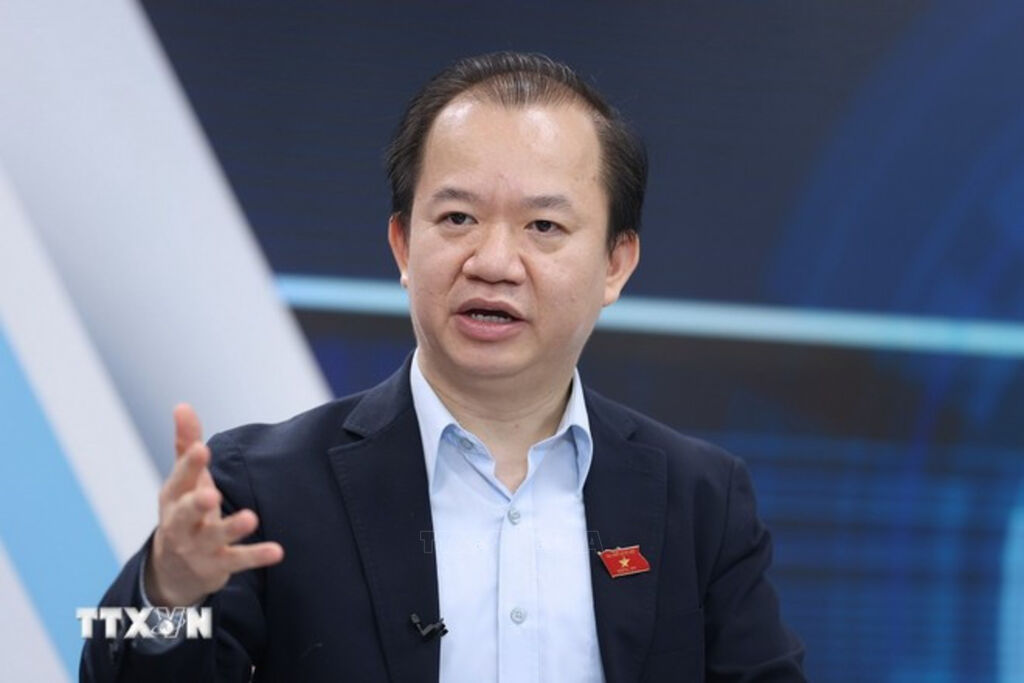 |
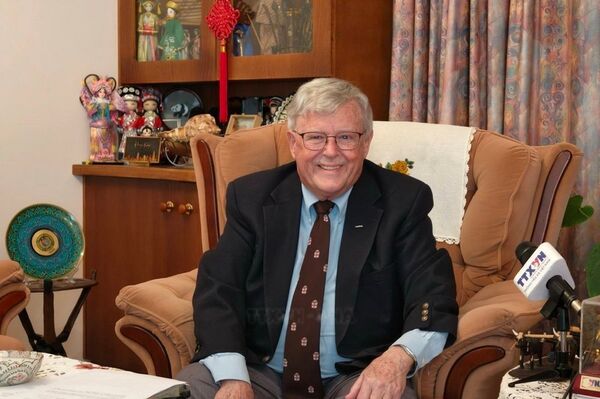
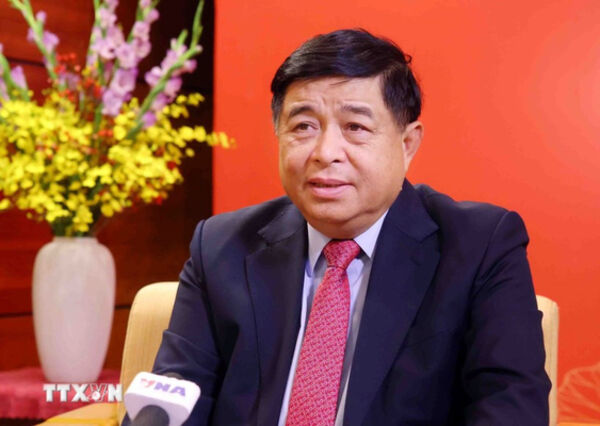
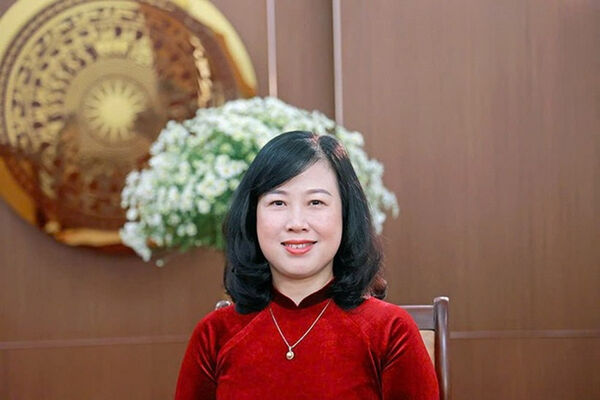
| Associate Professor Dr Bui Hoai Son, a full-time member of the National Assembly’s Committee on Culture and Education. (Photo: VNA) |
He argued that if the term of the 14th National Congress is one of aspiration and economic breakthrough, then culture constitutes the most solid anchor. The strength of culture lies in its capacity to generate “soft power”. A strong economy without a firm cultural foundation is vulnerable to overheating and a loss of identity. Conversely, when culture plays a guiding role, it illuminates development pathways, shapes an image of of a credible nation in the world arena and helps the country assert its position in global competition.
Son proposed that the State focus on institutional reform by dismantling “ask-give” mechanisms and improving legal frameworks on investment, taxation and intellectual property in order to mobilise social resources for cultural development. Investment in education, value systems and a healthy cultural environment should be regarded as long-term investment in the future and treated as a core task within development strategies. In this context, cultural industries serve as the most important “bridge” for transforming heritage and spiritual values into economic value. When sectors such as film, tourism, music and design develop professionally, culture can truly become an added value-generating resource, contributing directly to GDP and enhancing the national brand.
Placing Vietnamese human values at the centre
Nguyen Dinh Chinh, Chairman of Hai Phong city’s folklore association, said Resolution 80 is not merely a guiding document but a rallying call to awaken national aspiration through cultural strength.
The report presented at the opening session of the 14th National Congress positioned culture within the national development architecture as a foundational pillar. To achieve development goals in the coming period, the Congress’s documents identified five major guiding viewpoints. The second one stresses that economic and social development and environmental protection are central; Party building is pivotal; cultural and human development is the foundation; and strengthening defence, security, external relations and international integration is a key and regular task. These objectives are organically linked and mutually reinforcing in driving national progress, he noted.
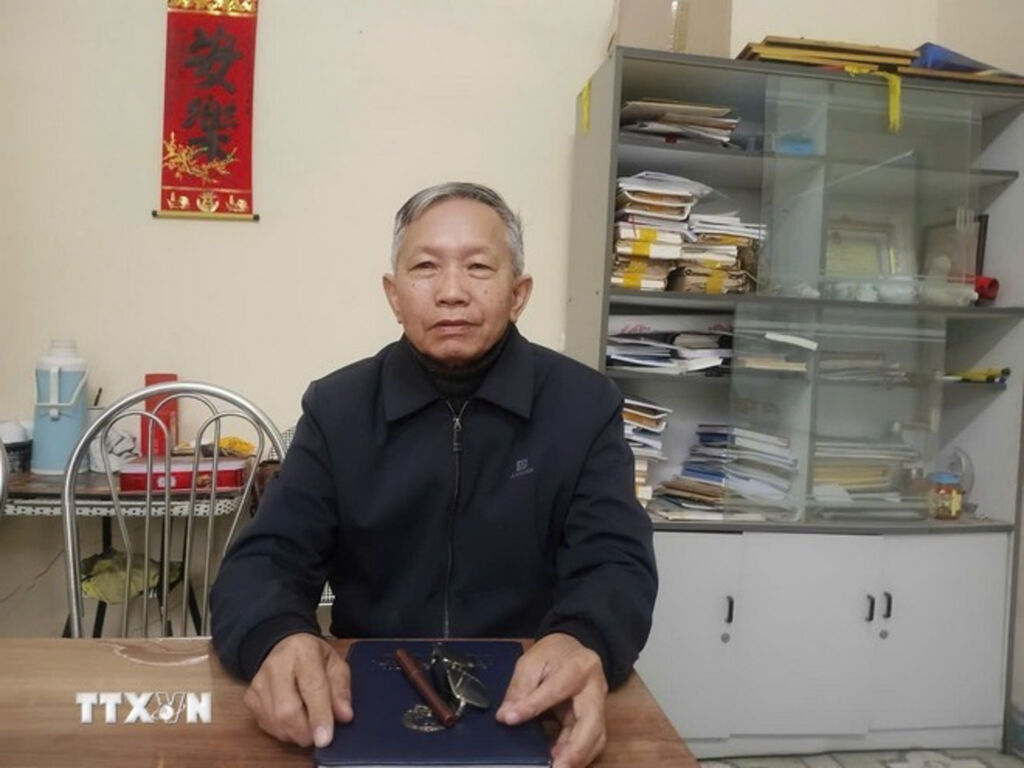 |
| Nguyen Dinh Chinh, Chairman of Hai Phong city’s folklore association. (Photo: VNA) |
In the digital era, building a digital value system encompassing technologies, platforms and content imbued with Vietnamese identity is a strategic task. “If we fail to master the digital space through domestically produced cultural products, national soft power will become dependent on others,” Chinh noted.
The State should prioritise the preservation, safeguarding and promotion of traditional cultural values – both of the nation as a whole and of individual communities, turning them into assets that contribute to socio-economic development, he proposed./.