 |
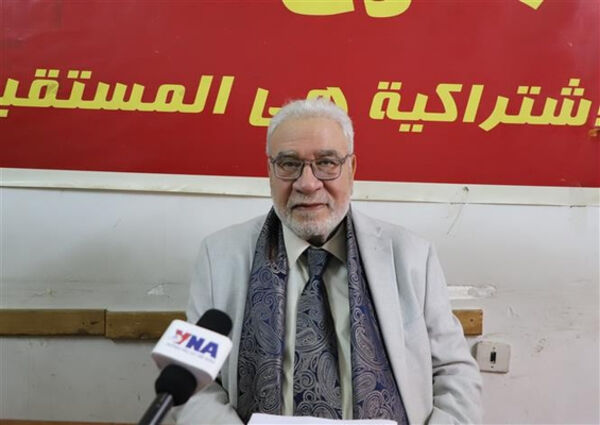
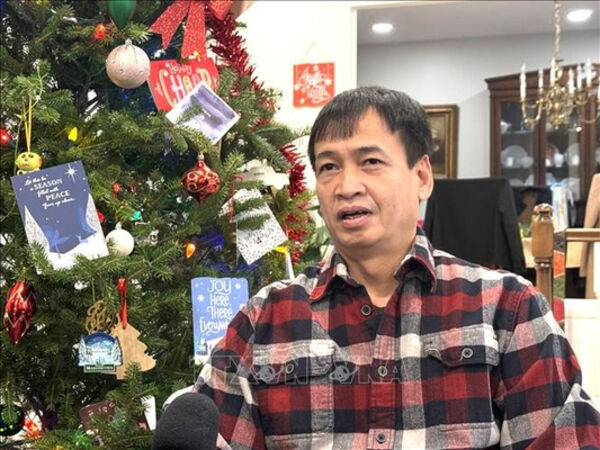
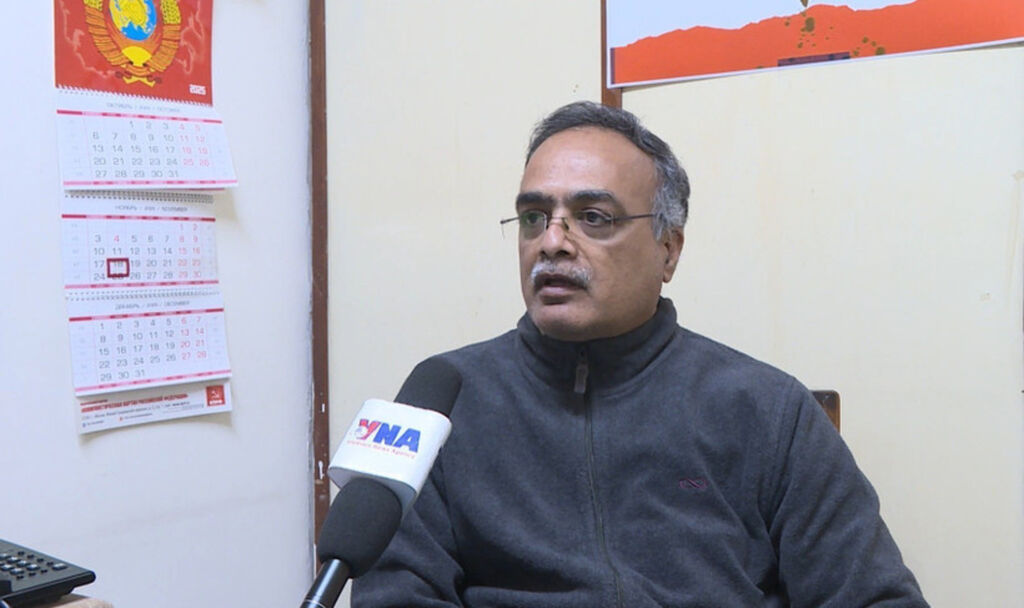
| R.Arun Kumar, head of the Communist Party of India (Marxist) (CPI-M)’s committee for external affairs (Photo: VNA) |
New Delhi (VNA) – Amid a rapidly changing world, growing strategic competition, and new development requirements, the 14th National Congress of the Communist Party of Vietnam (CPV) marks a milestone of great historical and era-defining significance, according to R.Arun Kumar, Head of the Communist Party of India (Marxist) (CPI-M)’s committee for external affairs.
In an interview granted to the Vietnam News Agency's correspondents in India, Kumar highlighted the significance of the 14th National Party Congress of Vietnam and the country’s major development orientations in the new period, noting that despite challenges, the CPV has led the nation along a path of progress, achieving important socio-economic accomplishments.
Between 2021 and 2025, Vietnam’s average GDP expanded by 6.3%, while life expectancy and living standards improved. Notably, the country saw a significant rise in its happiness index, placing Vietnam among the world’s top 50 nations, a highly impressive milestone.
After nearly 40 years of implementing the “Doi moi” (renewal) policy, Vietnam is entering a new phase of development, aiming for two strategic milestones - the 100th founding anniversary of the CPV in 2030 and the centenary of the country in 2045. In this roadmap, the 14th National Congress is expected to play a pivotal role in shaping a new growth model based on science and technology, innovation, and digital transformation, laying a foundation for high and sustainable growth in the time to come.
Commenting on the new elements in the draft documents for the 14th National Party Congress, Kumar noted that integrating environmental protection alongside socio-economic development reflects the urgent requirement for sustainable development.
Experience shows that uncontrolled industrial development often leads to pollution and environmental degradation, particularly in developing countries. Therefore, the CPV’s prioritisation of environmental protection and climate change response is a prudent and long-term visionary adjustment, he noted.
He also highly valued the designation of foreign affairs and international integration as core and continuous tasks alongside national defence and security, stressing that Vietnam is an active member of the Association of Southeast Asian Nations (ASEAN) and increasingly asserts its role and position on the international stage.
With its foreign policy of independence, self-reliance, and responsibility, Vietnam is well positioned to proactively contribute to promoting cooperation and solidarity among developing countries, for peace and stability in a volatile global context, he said.
The congress documents also reaffirm the vital role of culture, human resources, and the private sector for the national development, he said.
The private sector is recognised as a key driver of productive capacity, but it must be managed within the framework of state development orientations and plans, he said, adding that promoting cultural values, Ho Chi Minh’s morality, fighting corruption, and building a healthy lifestyle are considered foundational to ensuring harmonious and sustainable development.
In the context of the rapidly advance of the 4th Industrial Revolution, the 14th National Party Congress is seen as demonstrating the CPV’s capacity for self-renewal and practical reflection.
Amid the rapid advances of the 4th Industrial Revolution, the 14th National Party Congress highlights the CPV’s capacity for self-renewal and practical learning. By positioning science and technology as key drivers of economic productivity and social well-being, the Congress emphasises a human-centred approach to development, with the Party’s commitments seen as both realistic and achievable, Kumar said.
The Indian official expressed confidence that the 14th National Party Congress will prioritise improving people’s living standards, reducing regional inequalities, and ensuring balanced development across all areas.
With sound policy directions and strong political determination, Vietnam is expected to continue making steady progress toward successfully achieving the century-long goals set by the Party and the State./.