 |
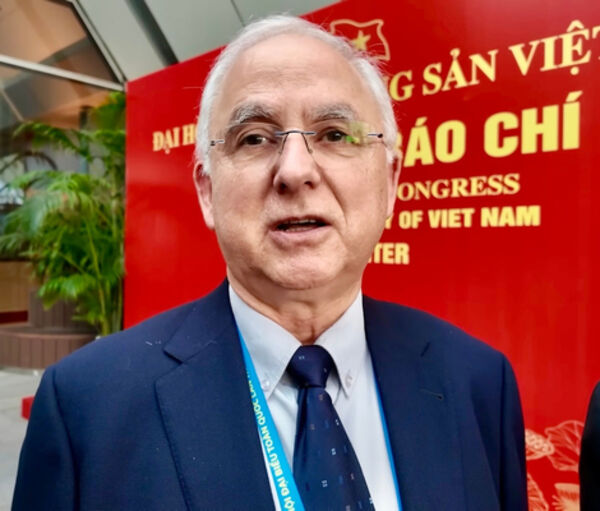
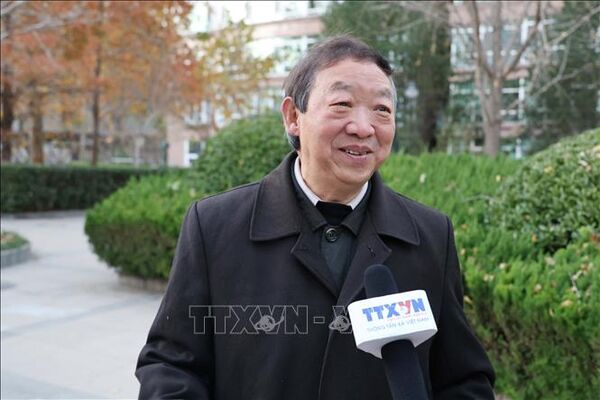
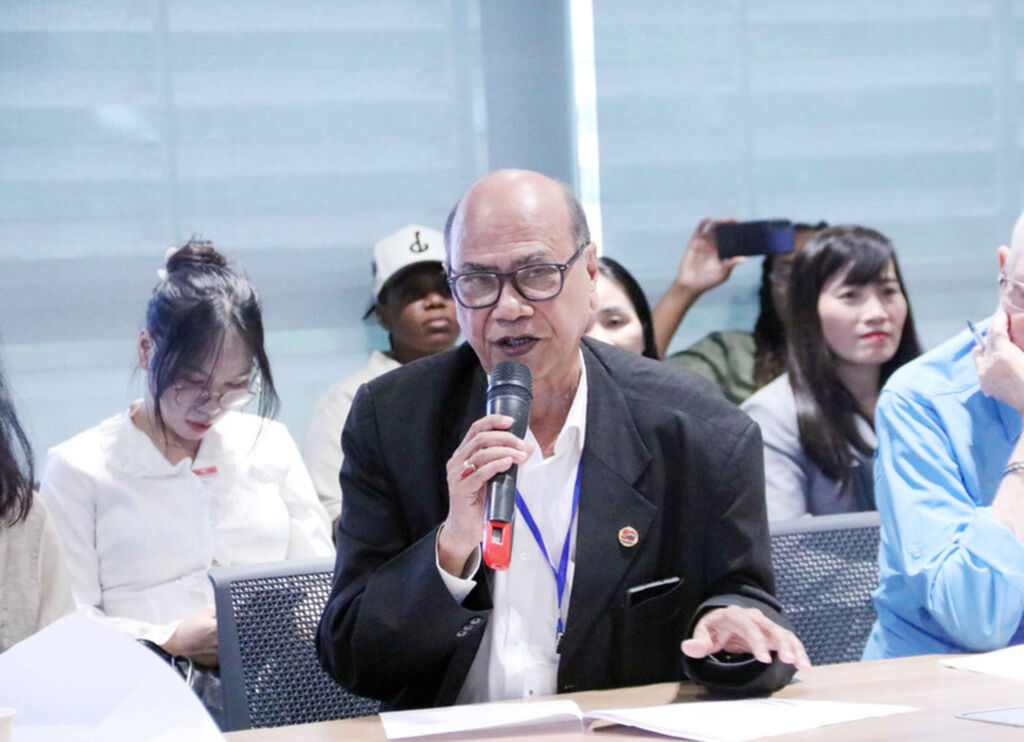
| Pallab Sengupta, President of the World Peace Council. (Photo: VNA) |
New Delhi (VNA) - Vietnam is increasingly affirming its position as a proactive nation in building trust and advancing peaceful solutions to conflicts, said Pallab Sengupta, President of the World Peace Council.
Speaking to the Vietnam News Agency (VNA)'s correspondent in Delhi on the occasion of the 14th National Congress of the Communist Party of Vietnam (CPV), Sengupta shared in-depth assessments of Vietnam’s 40-year Doi moi (Renewal) process, as well as the country’s role and prospects in advancing peace, cooperation and sustainable development in the region and the world.
He described the four decades of renewal as a historic success that vividly reflects Vietnam’s independent, people-centred development path. From a war-ravaged and impoverished nation, Vietnam has risen to become a country with political stability and rapid growth, recording remarkable achievements in poverty reduction, social welfare, education and healthcare, while firmly safeguarding political independence and social cohesion.
Vietnam’s experience affirms the sacred right of every nation to independently choose a development path suited to its own conditions, free from external imposition, Sengupta stressed.
At the regional and international levels, Vietnam is widely regarded as a positive factor for peace and stability. Its consistent, peace-oriented foreign policy has contributed to strengthening the Association of Southeast Asian Nations (ASEAN)'s unity, promoting international cooperation, and reinforcing a multipolar world order grounded in international law and the United Nations Charter.
Reviewing the five years of implementing the Resolution of the 13th National Party Congress, Sengupta said Vietnam has clearly demonstrated strong leadership capacity, strategic vision and flexible adaptability amid major global upheavals, including the COVID-19 pandemic, rising geopolitical tensions and economic instability. In this challenging context, Vietnam has maintained political stability, ensured social security and achieved economic recovery, while steadfastly pursuing a foreign policy of multilateralisation, peaceful cooperation and respect for international law.
On the occasion of the 14th National Party Congress, Sengupta expressed his hope that Vietnam will continue to consolidate a development orientation centred on inclusive growth, social equity and environmental sustainability.
Internationally, Vietnam is expected to further promote dialogue, strengthen ASEAN's solidarity, uphold multilateralism, and resolve disputes through peaceful means.
He also voiced his expectations that Vietnam will more strongly represent the voice of developing countries in shaping a fairer and more democratic global order.
Drawing on historical lessons from war and the struggle for national independence, Vietnam consistently upholds the principles of international law, the UN Charter and peaceful coexistence, thereby making practical contributions to regional stability and global peacekeeping efforts.
In the new development phase following the 14th National Party Congress, Sengupta expressed his desire to further strengthen cooperation with Vietnam, particularly through the Vietnam Peace Committee, the Vietnam Union of Friendship Organisations, and mass organisations.
Key areas of cooperation will include promoting people-to-people exchanges, empowering the youth in the struggle for peace, opposing militarisation and coercive policies, and coordinating efforts in climate justice, sustainable development, national sovereignty protection, and the peaceful settlement of disputes./.