 |
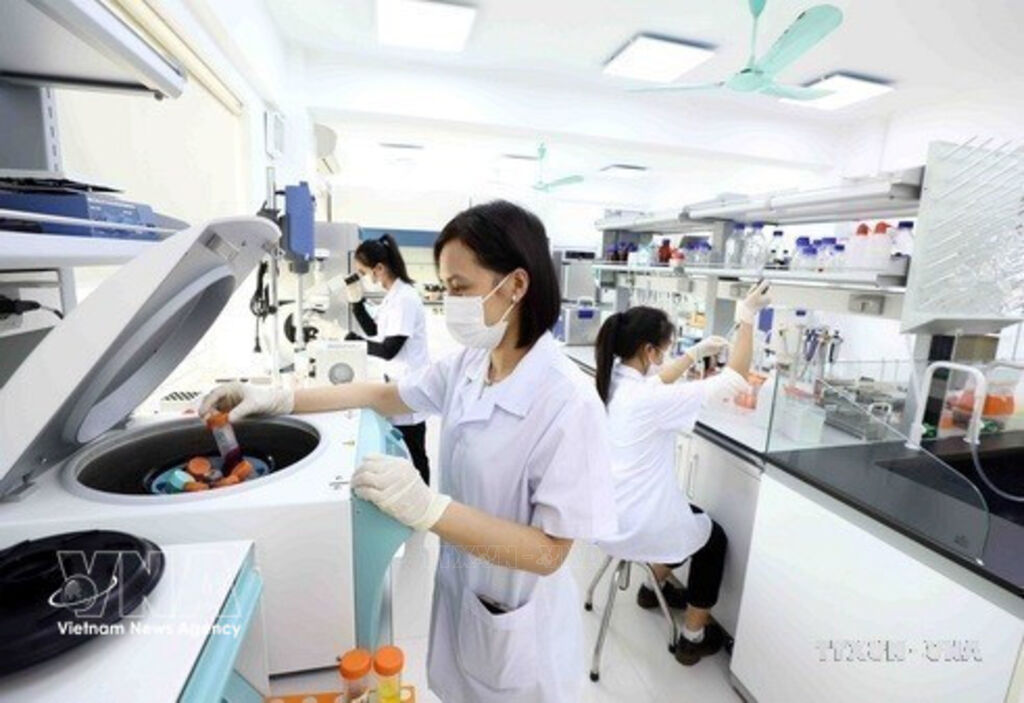
| Illustrative photo (Photo: VNA) |
An Giang (VNA) – The Mekong Delta province of An Giang has unveiled a list of key tasks in science, technology, innovation, and digital transformation for 2026, aiming to steer research toward practical applications and create fresh momentum for socio-economic development.
The move is part of the implementation of Politburo Resolution No. 57-NQ/TW on developing science, technology, innovation, and national digital transformation. It represents a strategic roadmap to modernise key sectors, protect the environment, and build a sustainable economic ecosystem, with a vision towards 2045.
Vice Chairman of the provincial People’s Committee Nguyen Thanh Phong said the move aims to pinpoint priorities, promote open innovation, and encourage enterprises, research institutes, and universities to collaborate and share knowledge and technologies.
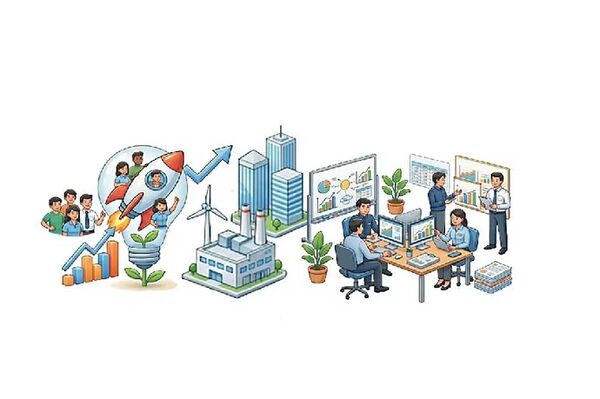
The priorities focus on four pillars: science and technology, innovation, digital transformation, and real-world applications to boost socio-economic development. These are expected to create breakthroughs in governance, production, and daily life.
Major areas include smart agriculture, biotechnology, and high-tech applications in rice and aquaculture production; advanced processing technologies to enhance the value of agricultural products and develop One Commune One Product (OCOP) items; solutions for waste and wastewater treatment; and renewable energy research.
In innovation-driven entrepreneurship, the province plans to support startups and technology incubators, while promoting the application of artificial intelligence (AI) and the Internet of Things (IoT) in production management, logistics, e-commerce, and circular economy models.
Digital transformation is being accelerated through online public services, digital signatures, and electronic records. The province is fostering a digital economy with e-commerce platforms for farm produce and blockchain-based traceability systems, alongside a digital society with online education, digital healthcare, and integrated population databases.
In healthcare, An Giang is building a centralised medical database system and deploying electronic health records combined with AI to improve public health services. The initiative aims to streamline administrative procedures, reduce paperwork and environmental impacts, and enable citizens to manage their health via the national digital identity platform VNeID. AI is expected to support treatment protocols, forecast epidemics, and personalise patient care using big data.
The education sector is also undergoing a strong digital shift, with the development of a comprehensive sectoral database linked to the national population database. Students are being equipped with digital skills, including AI applications, and are encouraged to learn through modern e-learning platforms.
As a key agricultural locality, An Giang is applying AI and IoT technologies to optimise production chains. Smart monitoring systems integrated with AI algorithms help forecast pests early and automate irrigation for high-quality rice, reducing fertiliser and pesticide use.
Looking ahead, the province aims to become a major food processing hub of the Mekong Delta by 2050. To achieve this, it is prioritising deep processing, product diversification, and the development of local brands for key commodities such as rice, seafood, and fruits. An integrated land and agricultural database powered by AI will support businesses and farmers in optimising production.
In response to climate change, An Giang is focusing on protecting forest resources, agricultural land, and coastal ecosystems from sea-level rise and salinity intrusion. It is also developing smart, sustainable livelihood models for vulnerable communities.
Advanced technologies, including 3D geological modelling integrated with AI and big data, are being applied in planning irrigation, transport, and urban infrastructure. Environmental monitoring and early warning systems are also being strengthened to safeguard biodiversity and promote eco-tourism.
The province is expanding into green and sustainable tourism, building a smart digital tourism ecosystem linked to OCOP products and cultural heritage preservation. Efforts are also underway to optimise cross-border logistics for agricultural exports, with blockchain, smart cold storage, and e-customs systems helping remove bottlenecks.
To foster new growth drivers, An Giang is establishing a startup and innovation centre, envisioned as a regional hub in the southwestern region./.