Cho Ro ethnic minority group's Sayangva festival recognised as national intangible cultural heritage
Sayangva is the most important traditional festival of the Cho Ro community in Dong Nai. Deeply rooted in agricultural beliefs, it expresses gratitude to heaven and earth and deities, especially the Rice Goddess, while praying for bumper harvests and prosperous lives.
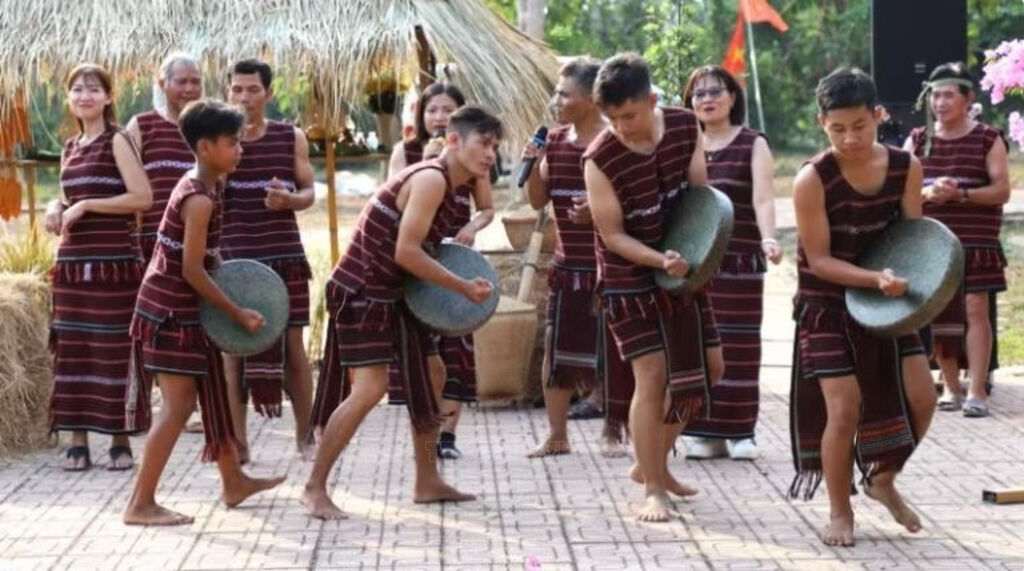
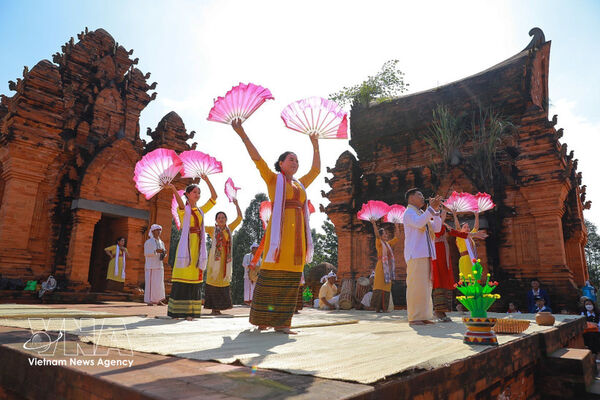
With around 16,000 people, Dong Nai is currently home to the largest population of the Cho Ro ethnic group in the country. (Photo: nhandan.vn)

Dong Nai (VNA) – A ceremony was held on April 19 in the southern province of Dong Nai to recognise the Sayangva festival – rice worship ritual of the Cho Ro people – as national intangible cultural heritage.

Sayangva is the most important traditional festival of the Cho Ro community in Dong Nai. Deeply rooted in agricultural beliefs, it expresses gratitude to heaven and earth and deities, especially the Rice Goddess, while praying for bumper harvests and prosperous lives.

Deputy Director of the provincial Department of Culture, Sports and Tourism Nguyen Khac Vinh said the recognition is only the beginning. More importantly, it entails responsibility for preserving and promoting the heritage in an effective and sustainable manner.

He called on localities to proactively develop plans to safeguard and promote the heritage in line with practical conditions, while linking preservation with tourism development to create sustainable livelihoods for locals. He also stressed the need to organise festival activities properly, ensuring the preservation of traditional identity and avoiding any distortion of heritage values.

For the Cho Ro community, village elders and artisans are encouraged to pass on knowledge, skills, and rituals to younger generations, contributing to the sustainable safeguarding of the heritage, he added.

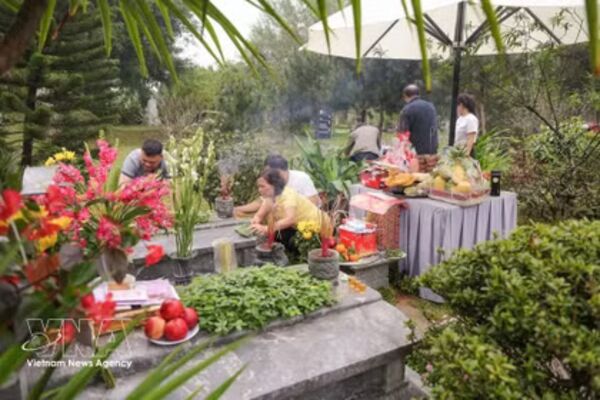
At the ceremony, Cho Ro people in Bao Vinh ward re-enacted the Sayangva festival.

According to the National Statistics Office, the Cho Ro population stood at more than 29,500 in 2019, living in various localities nationwide, with the largest number - around 16,000 -recorded in Dong Nai.

The Cho Ro are considered one of the four indigenous ethnic groups in the province. They mainly live the communes and wards of Binh Loc, Bao Vinh, Long Khanh, Xuan Loc, Xuan Phu, La Nga, Phu Ly, and Song Ray./.
Related News

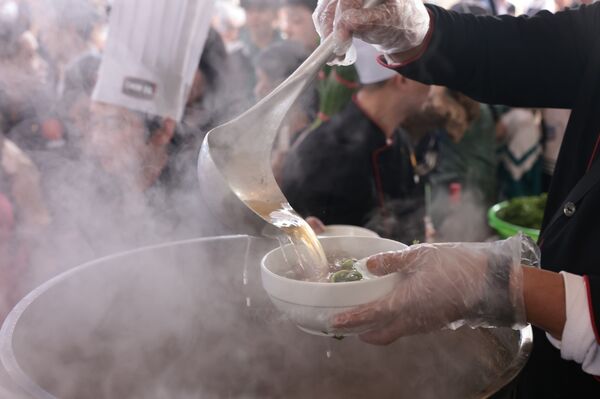
Festival highlights “pho” as living cultural heritage

As part of Pho Festival 2026, a two-day tour and hands-on experience of the pho craft took place on March 18–19 in Van Cu village, Nam Dong commune, Ninh Binh province. The programme drew visitors back to the roots of Vietnam’s iconic dish.

Project on digital transformation in cultural sector approved

By 2030, the project targets the establishment of shared digital platforms across 100% of cultural sectors. All digitised cultural heritage will be standardised under the national data framework and shared in accordance with regulations, while 80% of public digital heritage assets are expected to receive digital identifiers to clarify ownership and management, encouraging organisations and individuals to do the same and support market development.

See Also

Preserving filial piety in modern life

In today’s fast-paced and ever-changing world, traditional values remain a vital link connecting people to their roots. The principle of “remembering the source of the water we drink” - a cornerstone of Vietnamese culture - continues to be preserved and passed down through generations.

Vietnam to join Venice Art Biennale with first national showcase

As Vietnam makes its debut at the Biennale, the exhibition “Vietnam: Art in a Global Flow” does not seek to assert its position through scale or grand statements, but rather opens up a space for meaningful artistic dialogue - an invitation to listen to subtle voices, contemplate in stillness, and reflect on the capacity to nurture sustained creative energy in a dynamic and ever-evolving art world.

World Coffee Heritage Forum opens in Dak Lak

Dak Lak is known as the 'capital' of Vietnamese coffee, with rich, fertile basalt red soil ideal for agriculture. The coffee provides livelihoods for thousands of locals and has developed a unique cultural space, closely tied to the socioeconomic life, customs and identity of local communities.

Modern technology enhances forest fire prevention

Dong Thap province has more than 7,740 hectares of forest land. During the dry season, prolonged heat and falling or depleted water levels in canals and ditches heighten the risk of forest fires. In response, forest owners are proactively implementing a range of prevention measures, with a strong focus on applying modern technologies and equipment to monitor and detect fire risks early and from afar.