 |
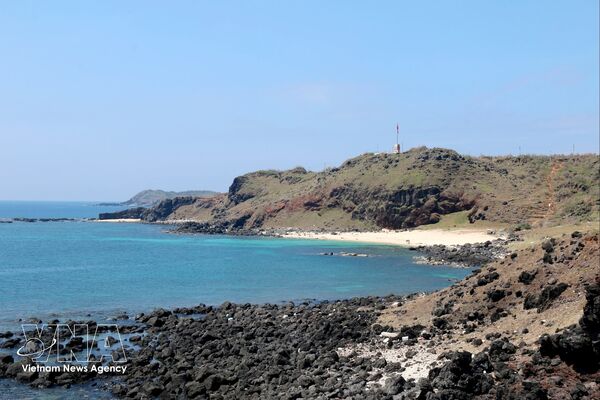
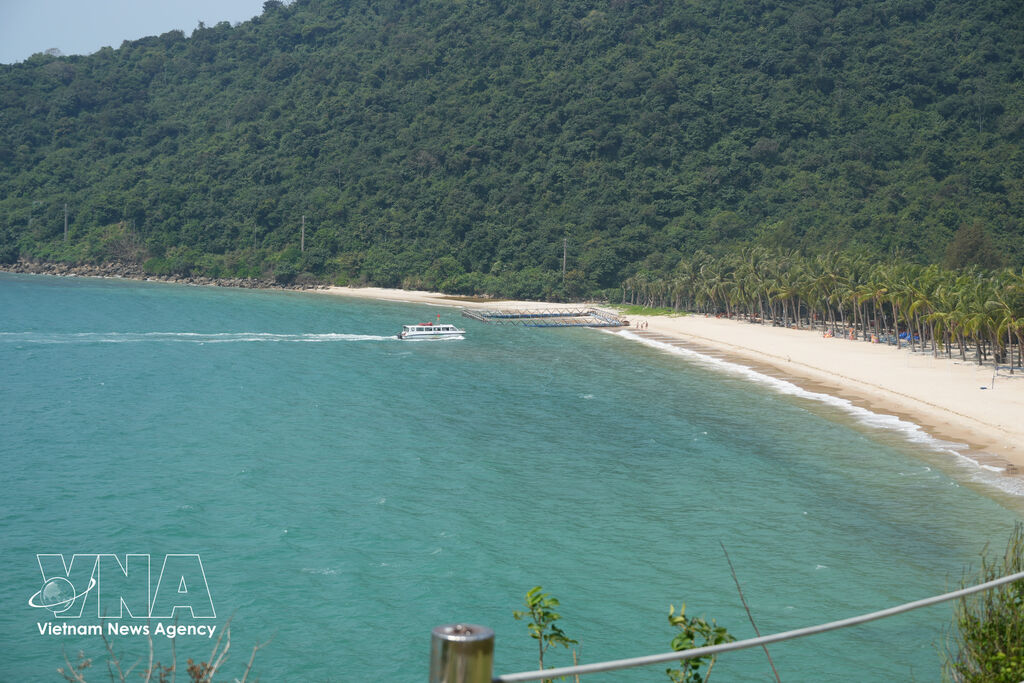
| Cu Lao Cham greets visitors with sparkling turquoise waters, silky white-sand beaches and dense primary forests. (Photo: VNA) |
Da Nang (VNA) - Located about 15km from Hoi An, Cu Lao Cham in Tan Hiep island commune in the central city of Da Nang clusters eight small islands into a lush green arc in the East Sea. More than a simple tourist spot, this pristine gem snagged UNESCO World Biosphere Reserve status back in 2009 thanks to its rich biodiversity and strikingly untouched environment.
Untapped potential of a unique ecosystem
After staying away for nearly a decade, Do Van Truong, a local from Tam Ky ward in Da Nang, returned to Cu Lao Cham, stunned by its massive glow-up. With smarter planning and investment into better roads, hotels, and top-notch tourism services, Cu Lao Cham could quickly become a must-visit magnet for both Vietnamese and foreign vacationers, he said.
Australian tourist Michael Staffieri raved about the abundance and super-fresh local seafood whose bold flavours deliver a taste of island authenticity.
Unlike the chaotic hustle of big cities, Cu Lao Cham greets visitors with sparkling turquoise waters, silky white-sand beaches like Bai Ong and Bai Chong, and dense primary forests, according to locals. The island has also made waves with its strict “no plastic bags” campaign, giving tourists a refreshingly clean, eco-friendly escape right in the lap of nature.
This true “hidden gem” is snorkeler heaven. Even with basic gear, visitors can dive into vibrant coral reefs teeming with colourful schools of tropical fish. The island also guards ancient relics from the old Cham Pa and Dai Viet civilisations, including the historic Cham well, Hai Tang pagoda, and the ancestral temple associated with the famous swiftlet-nest trade. The best time to visit is from March to August, when calm seas and blazing sunshine make it perfect for every kind of water adventure.
Clearing hurdles to unlock growth
Thanks to its prime location, Tan Hiep island commune is boosting Vietnam’s marine economy while helping protect national defence, security, and maritime sovereignty. Last year, it earned “Model New-style Rural Area” status, showing real progress on the sustainable development front.
The local economy has shifted gears hard toward tourism and services as its major cash engines, all while staying tightly linked to protecting natural resources. In the first quarter alone, Cu Lao Cham pulled in nearly 14,000 tourists, most of them foreigners hunting for relaxation and sightseeing.
By 2030, the island aims to welcome 350,000 to 400,000 visitors each year. Tan Hiep is poised to flourish with a sustainable eco-cultural tourism model, making it a unique and quality destination that preserves its natural charm while protecting national sovereignty.
To hit those goals, local authorities are urging agencies and units to clear the remaining roadblocks, especially by setting up defined zones for marine activities and cutting through the legal red tape. That would unleash a whole new wave of sea-based tourism services. At the same time, they are pushing hard for bigger investments in modern tourism infrastructure that doesn’t impact the environment or compromise maritime security, plus a much more aggressive marketing blitz to put Cu Lao Cham on the map as a world-class getaway./.