 |
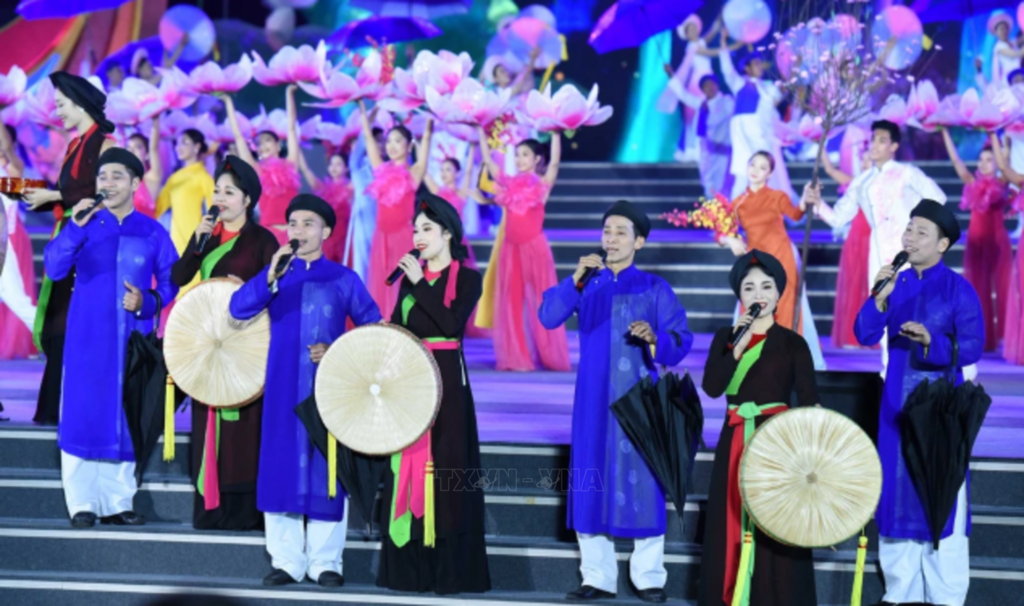
| Artists perform Quan Ho (love duet) singing - a UNESCO Intangible Cultural Heritage of Humanity. (Photo: VNA) |
Hanoi (VNA) - As the cultural industries emerge as a new growth engine for many economies worldwide, Vietnam’s recent release of a Strategy for the Development of Cultural Industries to 2030, with a vision to 2045, holds significant importance.
This is considered a necessary step to enhance Vietnam's position in the new development stage.
According to People’s Artist Vuong Duy Bien, Chairman of the Vietnam Cultural Industry Development Association, the strategy opens up a long-term vision to turn culture into a competitive, creative economic sector, contributing sustainably to growth and affirming Vietnam's position in the global cultural industry value chain. This strategy marks a strong shift in mindset from considering culture primarily as a spiritual field to approaching culture as an economic resource, an industry based on creativity, knowledge, technology and copyright value.
He emphasised that the strategy identifies core issues: creativity, identity, and facilitating conditions for talented people to shine. It also promotes the protection of intellectual property, nurtures talent, and strengthens business linkages to build a competitive global value chain.
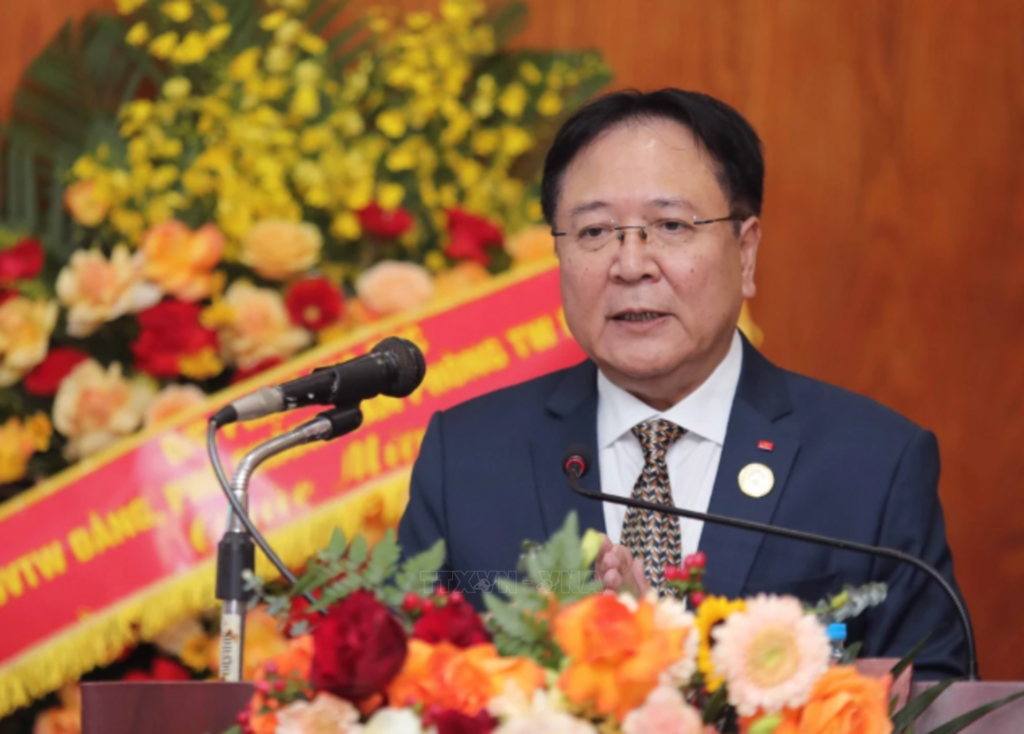 |
| People’s Artist Vuong Duy Bien, Chairman of the Vietnam Cultural Industry Development Association. (Photo: VNA) |
In addition, more attention should be paid to human resources training to further promote creativity and international integration, affirming culture as a soft power of the country.
Poet Nguyen Ngoc Tung, former Chairman of the Literature and Arts Association of Vinh Phuc province (now Phu Tho province), said the strategy is a breakthrough in sustainable development in the country, aligned with the trend of international integration.
The strategy lays out clear goals and solutions, tapping into the creativity of artists and writers to actively contribute to the Fatherland and its people. It also drives innovation in creative thinking, enhancing the quality of work to produce valuable creations that match the country’s development.
The creative works are considered a “soft” tool to promote the cultural values, people and country of Vietnam in the international arena.
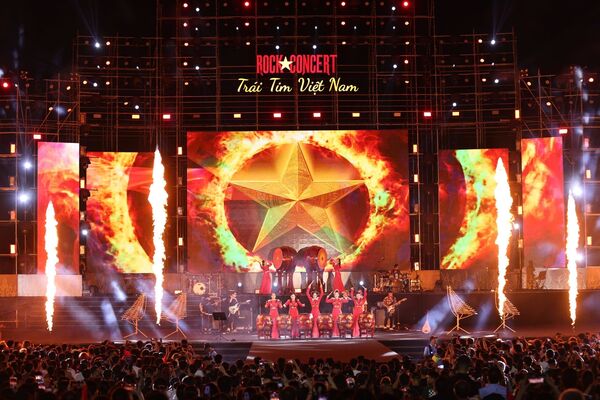
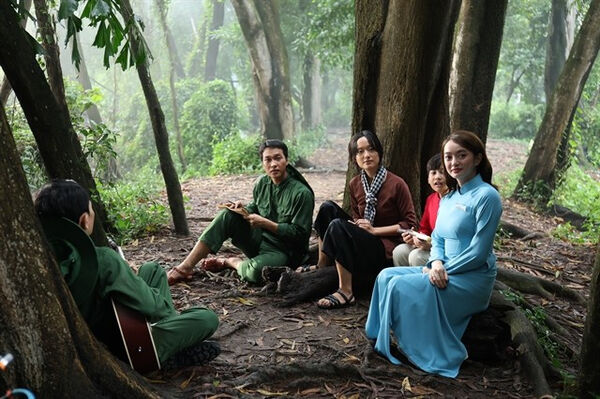
The identification of ten priority cultural industries - ranging from cinema, performing arts and cultural tourism to software and gaming - reflects a comprehensive and forward-looking vision. Rather than relying on traditional material resources, the strategy focuses on harnessing “soft resources” such as creativity, intellect, national identity, cultural values and intellectual property. This approach aligns with the sustainable growth models that many advanced economies are pursuing.
Under the strategy, the cultural sector is no longer viewed as merely supplementary. It is positioned as a strategic pillar on par with other key economic drivers. By 2030, cultural industries are expected to expand by an average of 10% annually and contribute around 7% of the country's GDP, which is hoped to rise to 9% by 2045.
A major emphasis of the strategy is to boost the export of cultural products, thereby promoting Vietnamese cultural values on the global stage. Expanding cultural exports not only generates foreign currency income but also strengthens Vietnam’s soft power. As seen in the global success of Korean films, Japanese music and Chinese performing arts - now powerful tools for national branding - Vietnam needs a robust strategy to bring culturally distinctive Vietnamese products to international audiences.
A strong and dynamic cultural industry will help Vietnam secure a more prominent place on the world cultural map, represented not only by its rich tangible and intangible heritage but also by modern, creative, globally competitive products.
Nguyen Thi Thanh Vinh, former Vice Chairwoman of the Literature and Arts Association of Vinh Phuc province (now Phu Tho province), highlighted that the strategy concretises the Party’s resolution to place culture on par with economy and politics.
Developing cultural industries is developing a 'green industry' or 'smokeless industry', Vinh stated, adding that the effective implementation will act as a catalyst for innovation, preserving traditional values while satisfying the public's increasing demand for high-quality spiritual products.
By focusing on human resources and a supportive ecosystem, the strategy aims to turn Vietnam's rich heritage into a prosperous, modern, and influential creative economy./.