 |
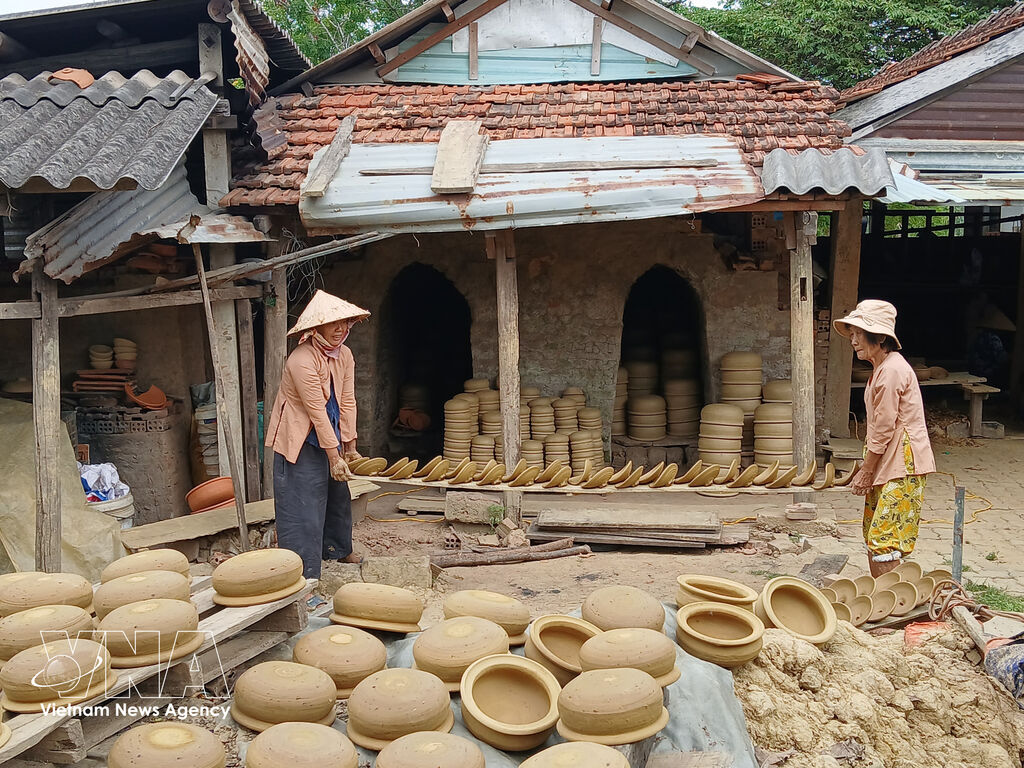
| Thanh Ha pottery village boasts a history spanning nearly 500 years and is renowned for its ceramic and terracotta products, crafted using traditional pottery-making techniques passed down through generations. (Photo: VNA) |
Da Nang (VNA) – Da Nang is expanding tourism offerings at its centuries-old traditional craft villages, creating more immersive visitor experiences as the central city seeks to preserve cultural heritage while attracting more domestic and international tourists.
Following its merger with Quang Nam province, the city's tourism space has expanded significantly. Greater emphasis has also been placed on connecting traditional craft villages, creating favourable conditions for developing distinctive tourism routes that are competitive and capable of encouraging visitors to extend their stay.
The city is home to nearly 70 craft villages and traditional craft villages, along with around 3,000 craft establishments. Many of these have become popular tourist attractions, including the Non Nuoc stone carving village, Nam O fish sauce village, Thanh Ha pottery village, Kim Bong carpentry village, and Tra Que vegetable village. Together, they welcome millions of visitors each year for sightseeing and hands-on cultural experiences.
Recently, the Da Nang Tourism Promotion Centre, in collaboration with several partners, surveyed craft villages surrounding the ancient town of Hoi An as part of efforts to strengthen connections among craft villages and develop themed tourism routes serving divsese international tourist segments, including MICE and cruise passengers.
Located on the banks of the Thu Bon River, Thanh Ha pottery village has preserved its ceramic-making tradition for nearly 500 years. Once focused on producing household pottery, the village began embracing tourism in 2011 by shifting toward handicrafts and souvenir products while offering hands-on pottery-making experiences.
Visitors can tour the village, learn about centuries-old pottery-making techniques and create their own works under the guidance of local artisans. The tourism-driven transformation has helped stabilise incomes for potters while preserving the traditional craft.
Thanh Ha is currently home to 32 pottery workshops, including four specialising in traditional ceramics and employing around 70 artisans. The opening of a new inland waterway pier has further improved visitor access to the village.
Together with Kim Bong carpentry village, Cam Kim mat-weaving village and Tra Que vegetable village, Thanh Ha forms part of a cultural belt surrounding Hoi An ancient town, reflecting the region's long-standing commercial and craft heritage.
Another major attraction is Non Nuoc stone carving village, located at the foot of the Marble Mountains. Recognised as a National Intangible Cultural Heritage, the more than 400-year-old village has adapted its products to meet growing demand from export markets and tourists while preserving traditional craftsmanship.
 |
| An artisan shapes pottery by hand at Thanh Ha pottery village in Hoi An Tay ward, Da Nang city. (Photo: VNA) |
To promote the village, local authorities recently organised the "Soul of Non Nuoc stone – the mark of Da Nang" sculpture competition, aiming to showcase artisans' skills, attract visitors and encourage the preservation of the centuries-old craft.
Da Nang has also approved a programme to preserve and promote the artistic value of Non Nuoc stone carving through 2030, with a vision to 2045. The initiative seeks to integrate heritage conservation with tourism development, expand markets for handicraft products and improve livelihoods for artisans.
According to Van Ba Son, Deputy Director of the Da Nang Department of Culture, Sports and Tourism, most traditional craft villages possess distinctive characteristics and unique cultural identities. Developing tourism in these villages would help preserve and promote their heritage while expanding markets for locally made products.
He said that connecting craft villages across the newly expanded city is a key strategy for developing attractive themed tourism routes that support sustainable tourism growth. The villages will be linked based on their distinctive cultural and historical values, landscapes, and traditional products.
Despite their considerable potential, tourism development in several craft villages in Da Nang has yet to fully capitalise on their strengths, Son said, noting that to make craft village tourism a key pillar of the city's development strategy in the new phase, stronger collaboration from businesses and more proactive participation by local communities will be essential./.