 |
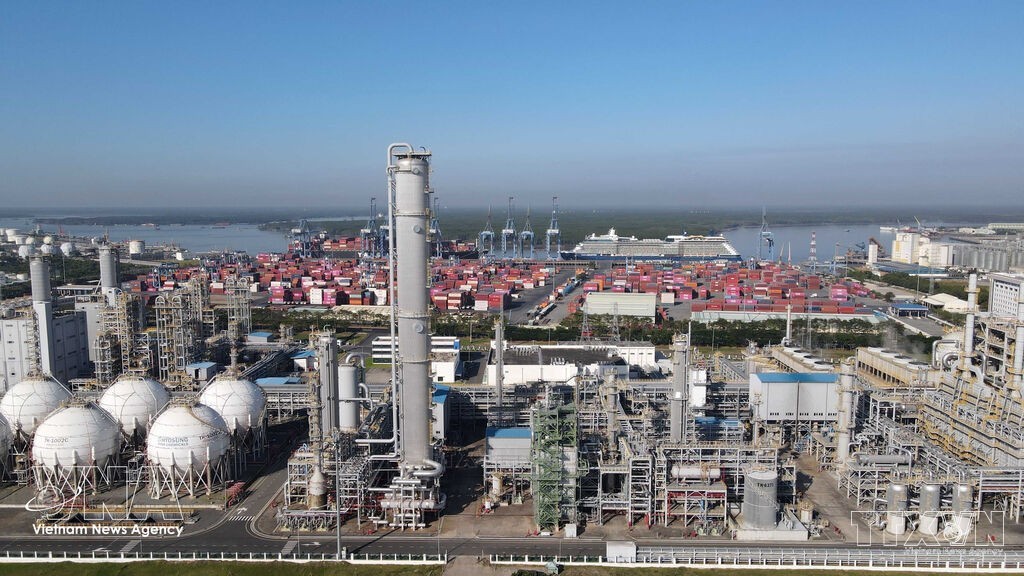
| A unified land database, transparent valuation mechanisms and anti-speculation policies could lay the foundation for a more professional property market. (Photo: VNA) |
Hanoi (VNA) - Resolution No. 21-NQ/TW on orientations for amending the Land Law and related legislation calls for reforming land valuation based on data and scientific methods, while connecting land data with tax, banking, notarisation and planning databases. Experts said that if these orientations are effectively institutionalised, the market could gradually curb speculation, improve transparency and shift towards the actual use value of land.
Land valuation must be based on reliable data
According to Do Thi Thu Giang, National Director of Valuation and Advisory at Savills Vietnam, shortcomings in land valuation and land-related financial mechanisms have been major bottlenecks in implementing land laws.
In some cases, land prices are still determined without sufficient and transparent data, potentially creating gaps between actual values and market prices while increasing financial pressure on investors.
Giang said the roles of central and local authorities should be clearly defined. The central level should establish frameworks, principles, methodologies and oversight mechanisms, while local authorities should determine land prices based on local conditions and actual data.
Prof. Dang Hung Vo also stressed that completing the land database will bring a major shift from document-based to data-driven management.
He said the amended Land Law should institutionalise the new orientations of Resolution No. 21-NQ/TW while addressing long-standing practical problems so that land can become a genuine resource for socio-economic development.
This is particularly important for valuation. The resolution calls for a centralised, unified, modern and multi-purpose national land information system connected with planning, tax, notarisation, banking and real estate data. Decisions on planning, land allocation, changes in land-use purposes, land recovery and land prices are expected to be recorded, made public and accompanied by risk warnings.
Prof. Dr. Hoang Van Cuong said the challenge lies not only in digitising land records but also in standardising and verifying data. Digitisation simply transfers information from paper to electronic form; data must also be accurate, consistent and usable to support modern land governance. Without reliable input data, even advanced valuation methods may fail to accurately reflect asset values.
Land-related financial policies should also balance the interests of the State, land users and investors. Properly designed financial and tax instruments could curb land abandonment and delays in putting land into use, while encouraging more efficient use of land resources.
Curbing speculation, increasing use value
From a property-market perspective, Giang said the orientations under Resolution No. 21-NQ/TW could make the market more transparent and efficient, with property values increasingly tied to actual development and use potential.
Three measures are particularly notable - restricting plot subdivision and land-plot sales in major cities; increasing the cost of holding unused land; and improving transparency in land prices and transactions through interconnected land, planning, tax, banking, notarisation and real estate databases.
This does not mean plot subdivision, land-plot sales or holding land for price appreciation will disappear, Giang said, but the scope for such practices could narrow as holding costs rise and market information becomes more transparent.
Le Hoang Chau, Chairman of the Ho Chi Minh City Real Estate Association (HoREA), said land valuation mechanisms have for years tended to “chase” market prices. Resolution No. 21-NQ/TW marks a shift by stressing that the State should determine land prices based on data, scientific methods and robust oversight.
This approach could affect the entire property market, as land prices are a key input in housing prices. More transparent data and valuation mechanisms that better reflect reality would provide a stronger basis for establishing reasonable price levels and limiting distortions caused by incomplete information.
The resolution also calls for financial and tax policies that make holding unused land more costly than speculating on it. It proposes higher taxes on abandoned or underused land and the study of mechanisms to regulate increases in land value.
Experts say this could mark an important change in market regulation. Rather than relying solely on administrative measures, financial instruments could impose costs on those who hold land without putting it to productive use.
As holding costs rise and planning, transaction and land-price data become more transparent, incentives to buy land solely in anticipation of price increases could weaken. Meanwhile, those capable of developing projects, creating products and generating cash flows would gain an advantage.
If implemented effectively, a unified land database, transparent valuation mechanisms and anti-speculation policies could lay the foundation for a more professional property market./.