 |
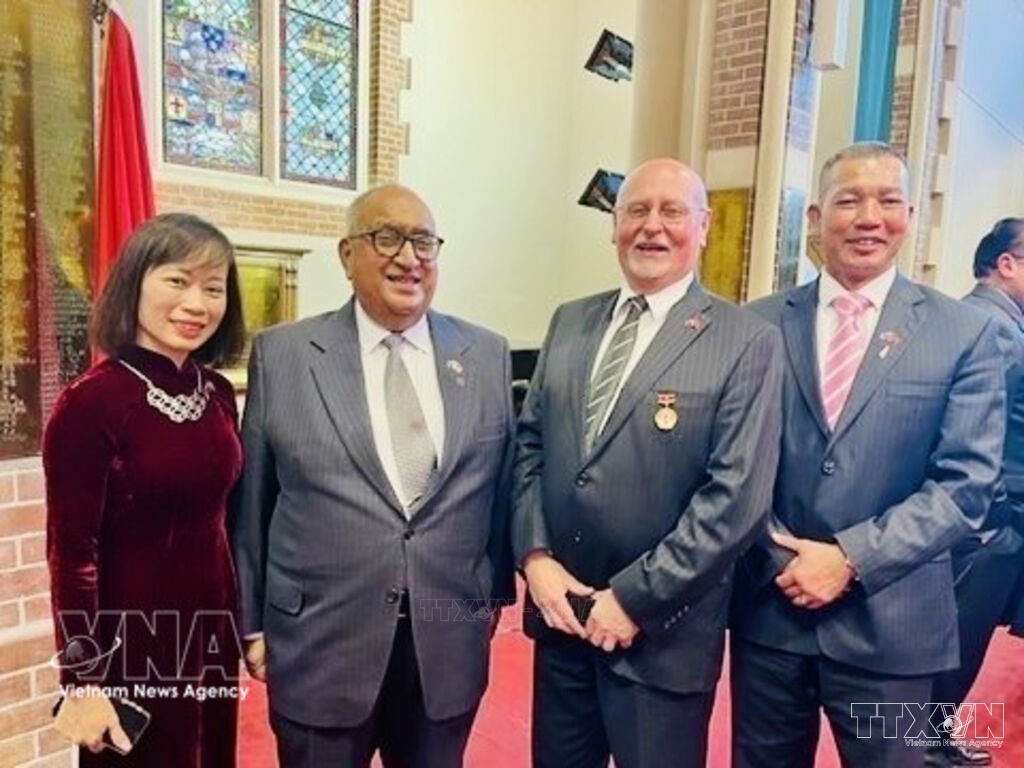
| Acting President of the New Zealand–Vietnam Friendship Association (NZVFA) Anand Satyanand (second from left) poses for a commemorative photo with other NZVFA members. (Photo: VNA) |
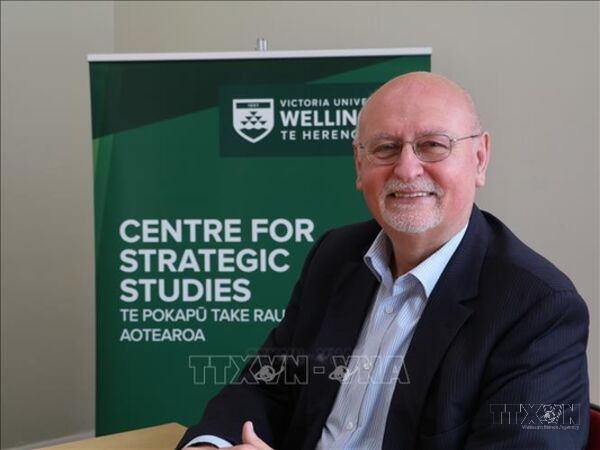
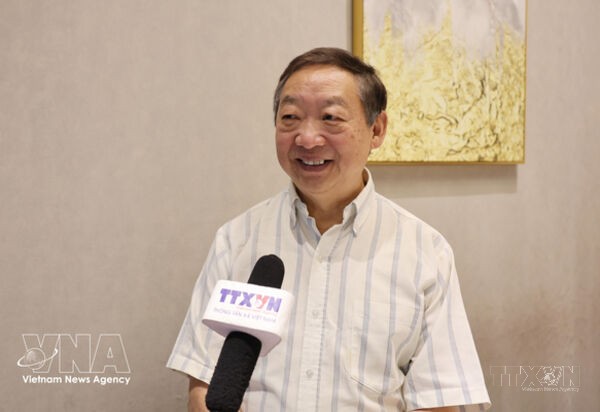
Hanoi (VNA) – People-to-people exchanges are an important part of the overall relationship between the two countries, Acting President of the New Zealand–Vietnam Friendship Association (NZVFA) Anand Satyanand GNZM QSO KStJ told the Vietnam News Agency.
In an interview on the occasion of General Secretary of the Communist Party of Vietnam Central Committee and President of Vietnam To Lam’s state visit to New Zealand, Satyanand highlighted the significance of the current period, as bilateral ties have entered a new and more ambitious phase following their elevation to a Comprehensive Strategic Partnership.
He stressed that the new framework provides a stronger foundation for the sides to advance joint work. However, its success will depend not only on relations between the two governments, but also to a great extent on the connections between their peoples. These links are built through students, families, communities, professionals, businesses, cultural groups and friendships between people in the two countries.
The NZVFA Acting President said he believes the visit could create further opportunities for bilateral relations to become more visible and substantive in New Zealand. The association places particular importance on promoting mutual learning, cultural exchanges, professional connections, and stronger links between the Vietnamese community in New Zealand and local communities.
While the NZVFA’s role remains modest, he expressed hope that the association could help turn goodwill into lasting friendship and practical cooperation.
Satyanand said there is still considerable scope for bringing the peoples of Vietnam and New Zealand closer together.
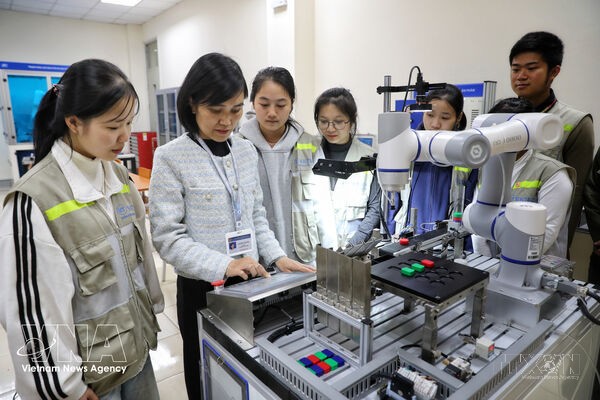
Education, he said, is perhaps the area offering the greatest opportunities. Vietnam has a young and ambitious population, while New Zealand has strengths in education and skills development. The two countries could do more through practical and vocational skills training, research cooperation, student exchanges and internship programmes.
Culture and tourism are also important bridges. He noted that both Vietnam and New Zealand have rich cultural traditions and deep connections with nature. Promoting further cultural exchanges and tourism initiatives would therefore help people from the sides discover and appreciate each other’s countries while creating new economic opportunities.
The Acting President particularly highlighted the role of the Vietnamese community in New Zealand as an important bridge between the two countries. By connecting families, students, professionals, businesses and community organisations on both sides, the Comprehensive Strategic Partnership can become more visible and meaningful in people’s everyday lives.
According to Satyanand, the new chapter in Vietnam–New Zealand relations is not simply about formal agreements or government policies, but also about building lasting friendships and stronger connections between their peoples. This, he said, will provide a solid and enduring foundation for the partnership in the years ahead.
He also suggested "making people-to-people links practical and regular," saying friendship should not only be expressed at major events, it needs to become part of everyday life.
"We need to create more opportunities for regular contact through cultural activities, community visits, student support, professional networks and people-to-people exchanges."
He highlighted investing in young people. Mentoring programmes and networks for students, young professionals and emerging leaders can help them build confidence, develop cross-cultural understanding, and create relationships that can last for many years, he explained.
More over, educational institutions have a very important role to play. Schools and universities can be powerful bridges between the two countries through language learning, joint research, student exchanges, and stronger connections among alumni. These relationships can become a foundation for long-term cooperation.
Local communities in New Zealand can make a real and lasting difference simply by making Vietnamese students, visitors and families feel genuinely welcome. Small, everyday acts of hospitality and friendship can build trust and understanding that lasts a lifetime, he said./.