 |
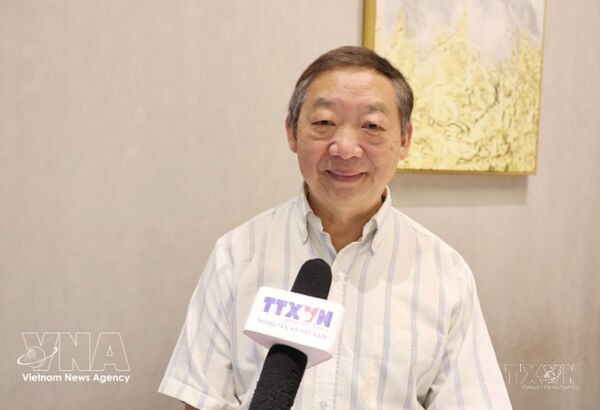
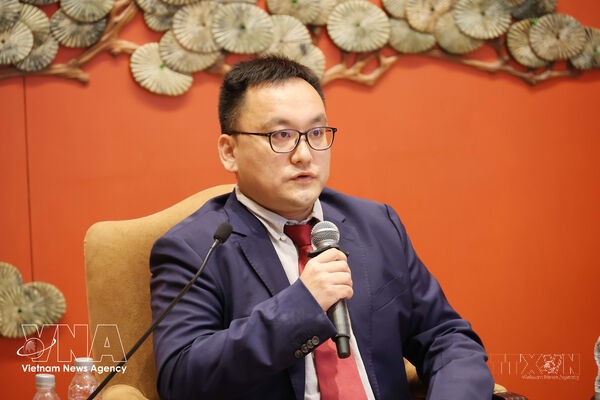
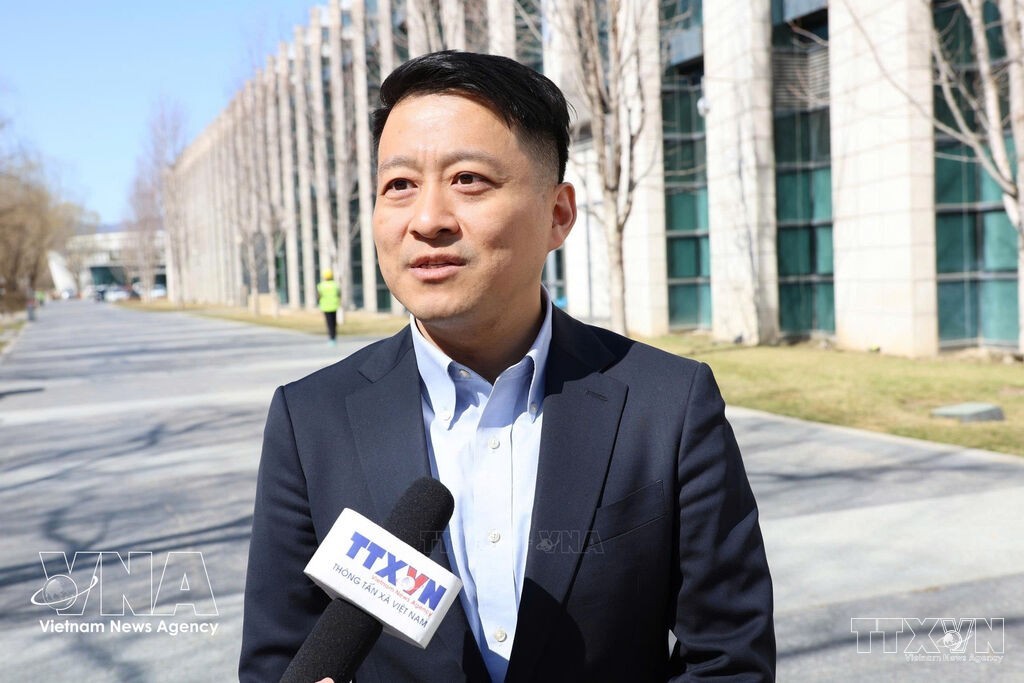
| Professor Qu Qiang from Minzu University of China, in an interview granted to the Vietnam News Agency. (Photo: VNA) |
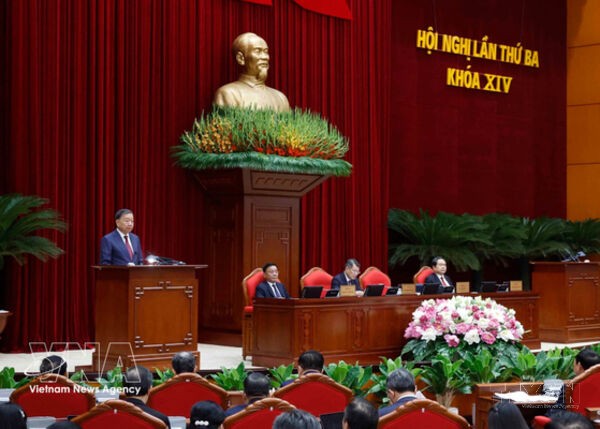
Beijing (VNA) – The four major orientations set out at the 3rd plenum of the 14th Party Central Committee reflect an important shift in Vietnam’s development thinking, from focusing on organisational reform to improving the operational capacity of the Party and political system, enhancing governance effectiveness, and promoting development based on knowledge and science-technology.
The assessment was made by Professor Qu Qiang from Minzu University of China, a commentator for China Global Television Network (CGTN), in a recent interview with Vietnam News Agency (VNA) correspondents in Beijing.
Assessing the significance of the orientations, Qu said the most notable change is Vietnam’s transition from “organisational restructuring” to “improving governance effectiveness.” Previously, reforms focused on streamlining the apparatus and reducing intermediary levels. With organisational reforms largely completed, the more important task is now to ensure the new system operates more effectively. He said organisational reform is only a prerequisite, while the ultimate goal is to strengthen leadership and governance capacity and better serve the people.
Regarding efforts to improve the operational capacity of the Party and political system, Qu likened the process to “upgrading the software” of the governance system. Organisational adjustments provide the initial foundation, but substantive improvements require better operating mechanisms, coordination capacity, and policy implementation.
On unified management of national resources, he said Vietnam needs to overcome fragmented resource management by viewing land, marine areas, urban spaces, infrastructure and data as part of an integrated whole, aligned with national strategies and regional development advantages. Better coordination in planning and resource management will facilitate major development projects, he noted.
Qu described knowledge- and science, technology-driven development as an important pathway for Vietnam to transform its growth model, moving from reliance on capital, natural resources and low-cost labour toward productivity, knowledge, data, technology, innovation and high-quality human resources. This, he said, will help Vietnam improve development quality and overcome the middle-income challenge on its path toward becoming a high-income country.
The scholar also highlighted proactive risk prevention as a shift from responding to problems after they emerge to forecasting and preventing them. Amid geopolitical competition, climate change and global supply-chain shifts, strengthening national resilience is crucial for sustainable development.
However, Qu noted that Vietnam will face challenges in ensuring the newly streamlined system operates in a coordinated manner. Powers and responsibilities must go hand in hand, with additional duties accompanied by adequate decision-making authority, financial resources and personnel.
The new governance structure also requires officials to develop stronger cross-sector coordination, strategic thinking and digital governance skills. Resources saved through streamlining should be redirected toward development investment, growth and improved living standards.
He suggested that the central level focus on strategic direction and institutional development; provincial authorities promote management innovation and organise development space; and the grassroots concentrate on directly serving people and businesses.
He stressed the need to remove bottlenecks, unlock resources and prioritise tasks capable of generating spillover effects. Personnel assessment should be based on performance, particularly the ability to resolve difficulties, promote development and serve the people.
Social oversight, transparency and broad public consensus are also essential to the reform process, he said, stressing that the ultimate measure of reform is not how the apparatus is arranged, but whether responsibilities are fulfilled, resources are unlocked and people genuinely feel the benefits of this process./.