 |
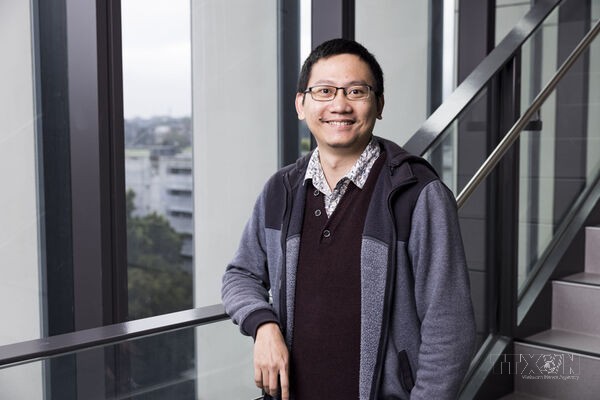
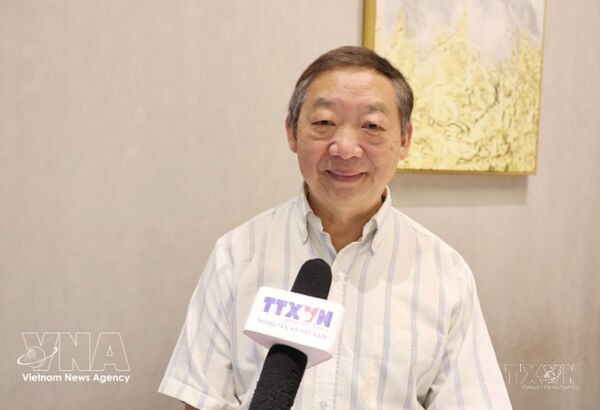
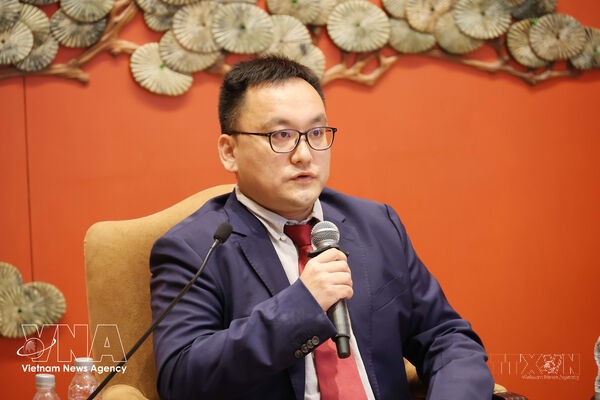
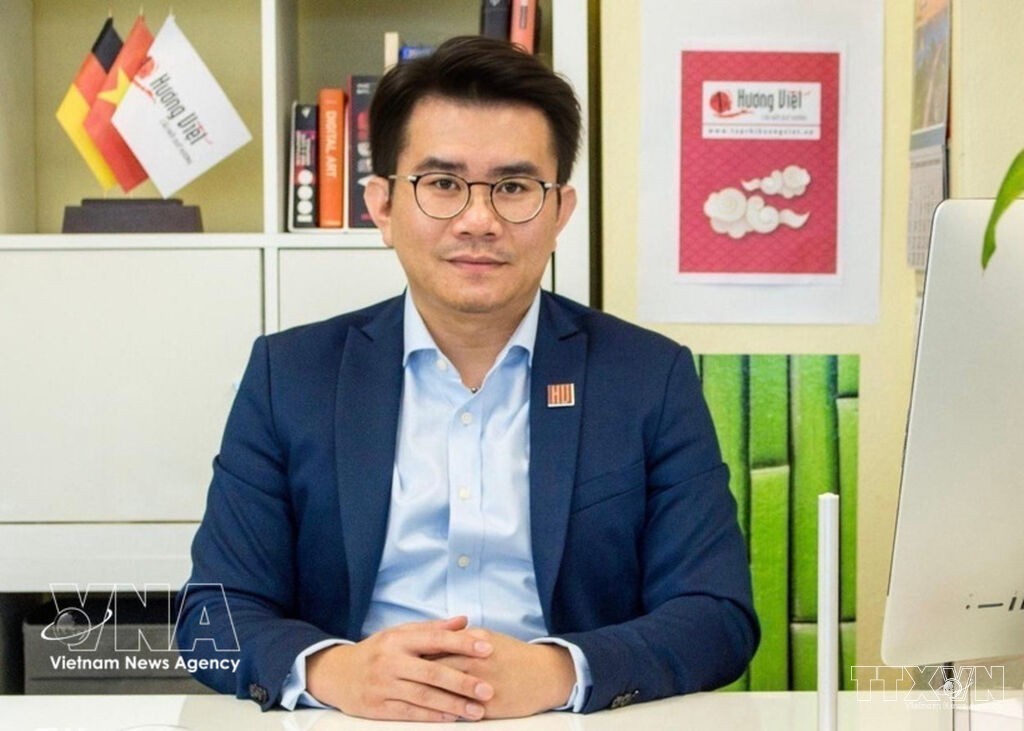
| Pham Khanh Nam, Editor-in-Chief of the Huong Viet magazine – a reputable Vietnamese-language publication serving the Vietnamese community in Germany (Photo: VNA) Facebook Twitter Print Copy link |
Hanoi (VNA) – As the 33rd Diplomatic Conference and the 22nd National Conference on Foreign Affairs approach, Pham Khanh Nam, Editor-in-Chief of the Huong Viet magazine – a reputable Vietnamese-language publication serving the Vietnamese community in Germany, has shared his views with the Vietnam News Agency on the role of overseas Vietnamese in people-to-people diplomacy, cultural diplomacy, and the promotion of the country's image in the new stage of development.
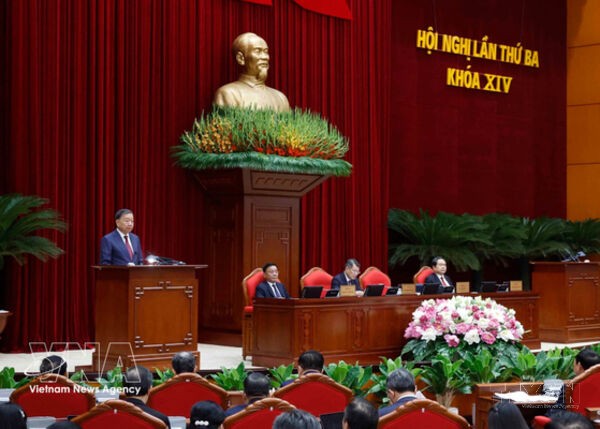
According to Nam, the 33rd Diplomatic Conference reaffirms the need to build a comprehensive and modern Vietnamese diplomacy that harnesses the combined strength of the entire political system and people for national development, defence and international integration. In this process, the community of more than six million overseas Vietnamese is increasingly recognised as an inseparable part of the nation and an important resource for strengthening Vietnam's friendship and cooperation with countries around the world.
Nam said experience in recent years has demonstrated that Vietnamese expatriates are playing an increasingly prominent role in people-to-people diplomacy and cultural diplomacy. In addition to making significant contributions to economic development through investment, trade, knowledge transfer and remittances, they have served as an effective bridge in promoting Vietnam's image, preserving national cultural identity, and fostering greater understanding and trust between Vietnam and their host countries. They have become an important source of the country's soft power amid growing international competition in national image, branding and reputation.
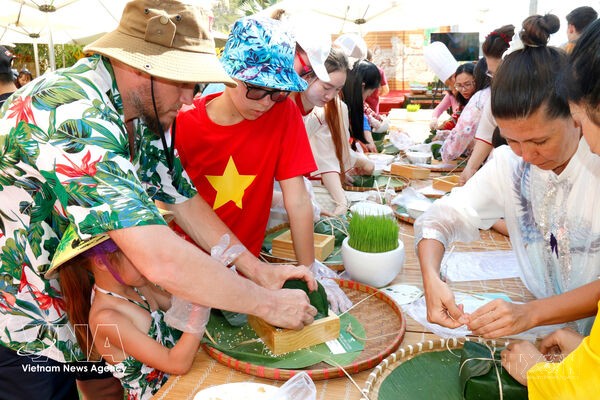
He noted that an increasing number of activities organised by overseas Vietnamese communities have attracted the participation of authorities, social organisations, businesses and residents in host countries. These activities not only help preserve Vietnamese cultural identity within the communities but also enable international friends to gain a better understanding of Vietnam's history, culture, people and development achievements. They represent a vivid example of cultural diplomacy and people-to-people exchanges, where trust is built through direct contact and mutual understanding.
In Germany, the community has made meaningful contributions to the country's economic, cultural and social aspects while maintaining close ties with their homeland through a wide range of practical activities. Overseas Vietnamese associations, businesses, Vietnamese-language schools, media outlets and community organisations have proactively worked with Vietnam's representative agencies to organise cultural exchanges, trade promotion events, educational cooperation programmes, charitable initiatives and activities connecting the group with their roots, thereby strengthening friendship between the peoples of Vietnam and Germany.
According to Nam, as Vietnam enters a new era of development and continues to enhance its standing and reputation on the international stage, maximising the role of overseas Vietnamese has become even more strategically important. With their expertise, experience, social standing and expanding international networks, the expatriates are not only a bridge of friendship between Vietnam and other countries but also a key component of the nation's soft power.
When provided with opportunities to work alongside Vietnam's representative missions, domestic authorities and organisations, they will continue to contribute further to enhancing mutual trust, promoting cooperation and projecting the image of a peaceful, dynamic, humane and deeply integrated Vietnam to the world, thereby helping implement the Party's and the State's foreign policy in the new era of development, he added./.